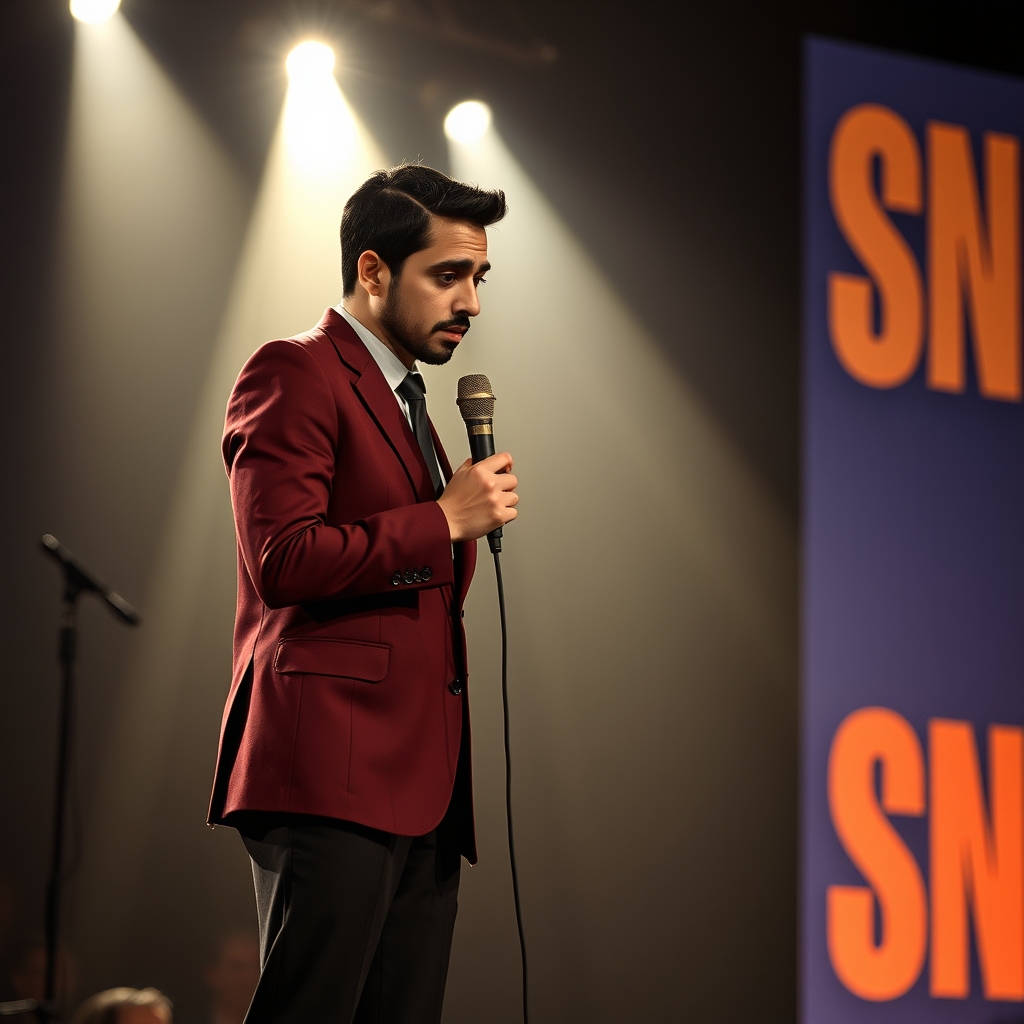
Riz Ahmed, the British‑Pakistani actor and musician, opened the inaugural episode of "Saturday Night Live U.K." on April 4 with a monologue that skewered British cultural habits. In a measured tone, he observed, "We like it when things are a little bit crap," prompting a ripple of laughter that rose like a low tide in the studio. The audience's chuckle brushed against the metallic hum of the stage lights, a texture of sound that underscored his pause before the line. That hesitation—an instinctive breath held—revealed the delicate balance between satire and affection.
Why the monologue resonated beyond the jokes
Ahmed's remark reframes the familiar British self‑deprecation as a symptom of deeper class anxieties that have resurfaced in the post‑Brexit era. The structural tension between humor and respect forces viewers to consider whether ridicule can coexist with genuine critique. By targeting a national habit rather than a specific policy, he situates comedy within a broader cultural shift toward minority voices interrogating the narratives that have long defined British identity.
The tension between humor and national identity
The performance illustrates a classic trade‑off: the efficiency of a punchline versus the safety of cultural reverence. Ahmed's calculated pause before delivering the line demonstrates an awareness of that trade‑off, allowing the audience to register both the joke and its underlying commentary. This moment matters because it shows how comedy can expose lingering societal contradictions without alienating the very audience it seeks to engage.
In the months that follow, the monologue will likely be cited as a reference point for how mainstream platforms can amplify nuanced, self‑reflective satire.
Comedy, when honest, can map the contours of a nation's uneasy self‑image.




















