Abbie House: design and heritage integration
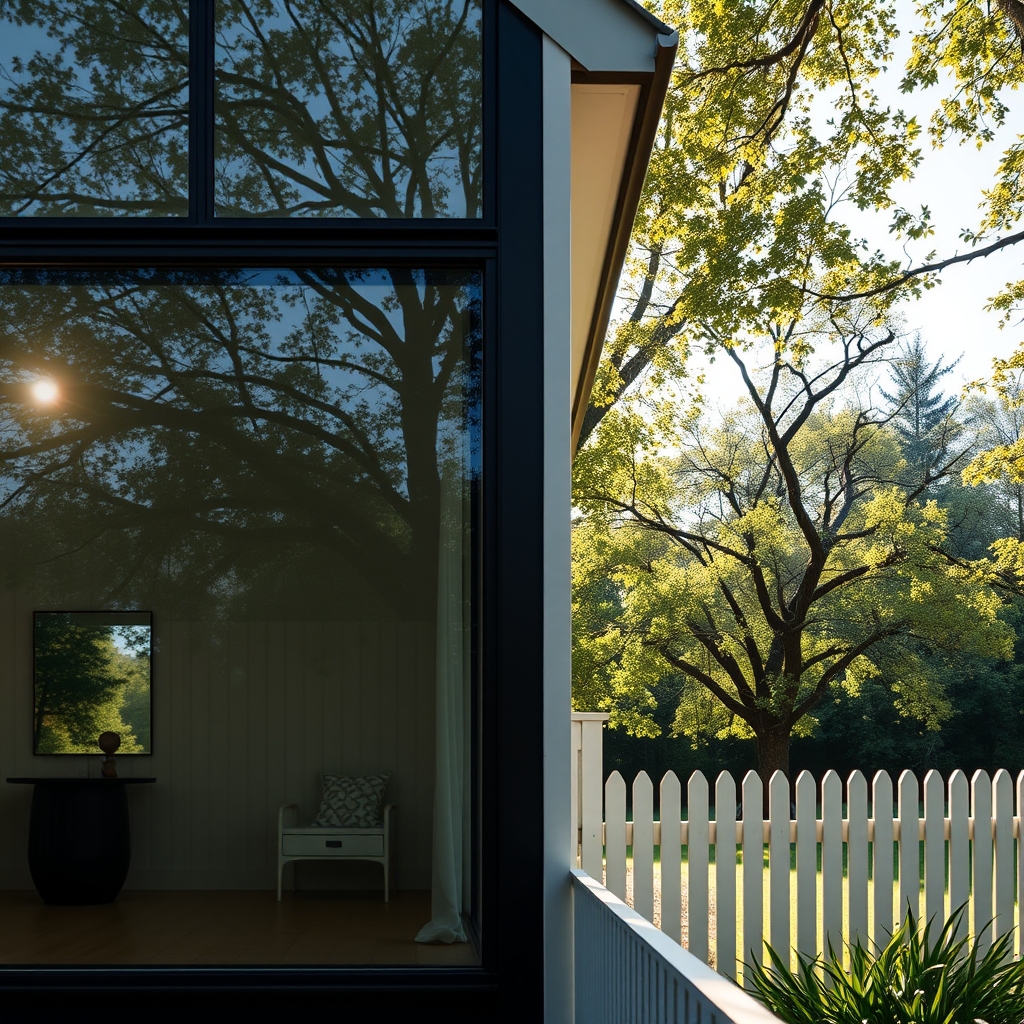
Abbie House stands directly opposite a leafy park in the inner‑city suburb of Abbotsford, Melbourne. The project adds a single‑level, glass‑walled extension to an existing Victorian weatherboard home, preserving the original timber cladding while introducing a bright, open living space. The new volume aligns with the park's horizon, letting morning light spill across polished concrete floors as the rustle of eucalyptus leaves drifts through the open doors.
The tension between heritage preservation and contemporary efficiency is evident in the choice to retain the weatherboard façade while installing floor‑to‑ceiling glazing. This structural compromise reframes the house not as a museum piece but as a living conduit between past and present, illustrating a broader movement of adaptive reuse that reshapes Melbourne's inner suburbs without erasing their historical texture.
Inside, a resident pauses at the threshold, hand on the cool steel handle, listening to the contrast between the quiet creak of the old wooden floor and the faint hum of the new air‑conditioning unit. That moment of hesitation captures the psychological adjustment required when old and new coexist, a micro‑decision that mirrors the city's larger negotiation of identity.
Why it matters: it demonstrates how urban growth can respect cultural memory while delivering modern comfort.
Impact on the neighbourhood
The addition has subtly altered the streetscape, offering a visual dialogue that encourages neighboring owners to consider similar interventions. As more properties adopt this hybrid approach, the suburb's character evolves from a static heritage zone into a dynamic tapestry where history informs design, and design, in turn, revitalises community life.
The house stands as a quiet testament to Melbourne's evolving streetscape.




















