How RNA barcodes are redefining brain mapping
Researchers have engineered a technique that tags each neuron with a unique RNA barcode, then reads those tags to reconstruct synaptic connections with single‑synapse precision. By converting the spatial problem of wiring diagrams into a sequencing problem, the method captures thousands of links far faster than conventional microscopy. In a mouse model, the approach revealed unexpected pathways between the hippocampus and thalamus, pathways that had eluded decades of imaging work.
The breakthrough rests on a structural tension between speed and resolution: sequencing can process millions of molecules in minutes, yet the interpretive layer must still honor the nanometer scale of a synapse. This trade‑off mirrors a broader shift in neuroscience toward data‑driven, molecular‑first strategies, echoing the rise of precision medicine that treats the body as an information system.
From glass slides to digital reads
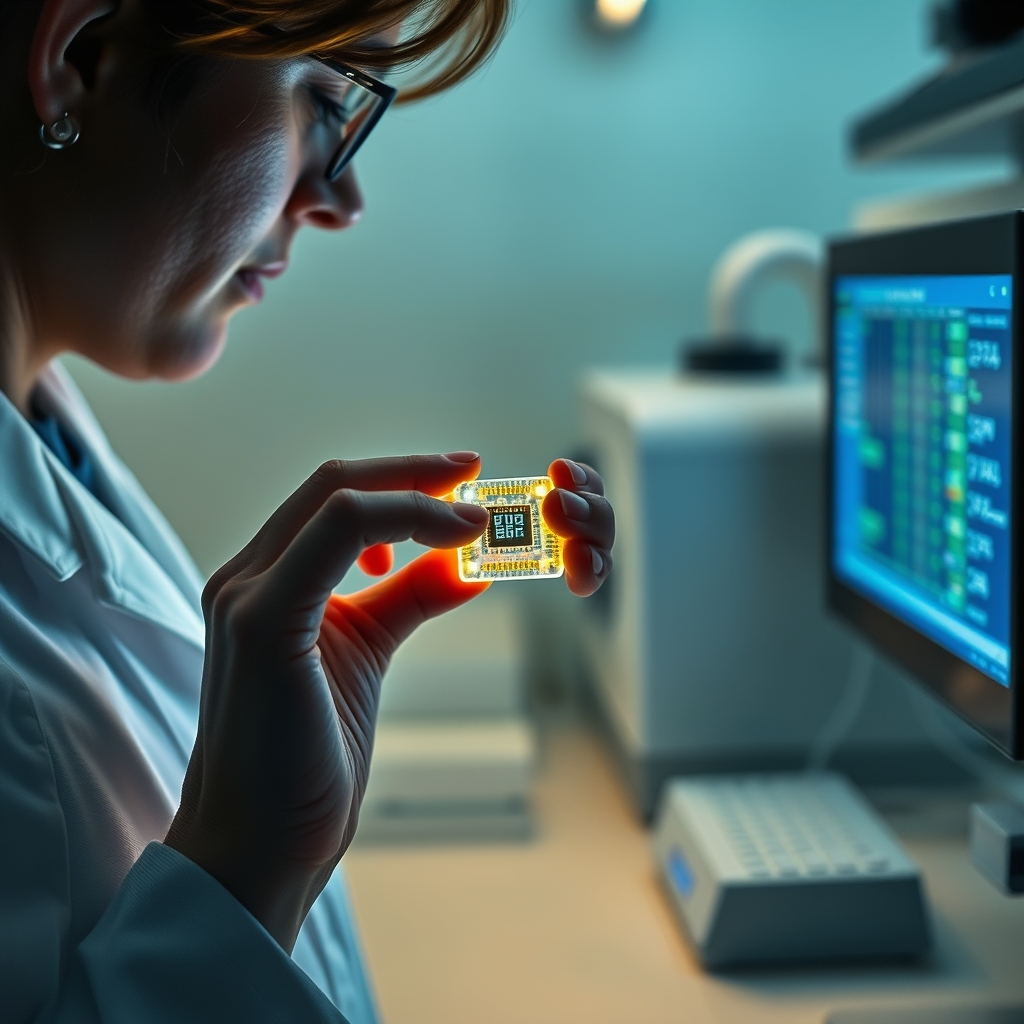
In the lab, a technician pauses, hand hovering over the pipette, as the faint hum of the sequencer fills the room. The cool glass of the bench contrasts with the warm glow of the monitor, a tactile reminder that the experiment bridges physical tissue and abstract code. That moment of hesitation—whether to add one more cycle of amplification—embodies the discipline required when translating living circuits into strings of nucleotides.
Why it matters is simple: the ability to map connections at this scale could allow clinicians to detect the earliest signatures of neurodegeneration, turning a disease that is currently diagnosed by symptom to one identified by pattern.
Beyond the laboratory, the technique hints at a future where daily health routines might include molecular scans that reveal how our personal neural networks evolve, informing lifestyle choices with the same precision once reserved for genetic testing.
In this convergence of biology and technology, the quiet confidence of a sequencer's rhythm offers a new kind of clarity—one that respects the brain's complexity while making its secrets more accessible.
As the field moves forward, the dialogue between speed and safety, between data abundance and interpretive rigor, will shape how we understand ourselves.
Ultimately, this work signals a cultural turn toward treating the mind as a readable map, not an inscrutable mystery.
It marks a step toward health routines guided by the language of neurons.




















