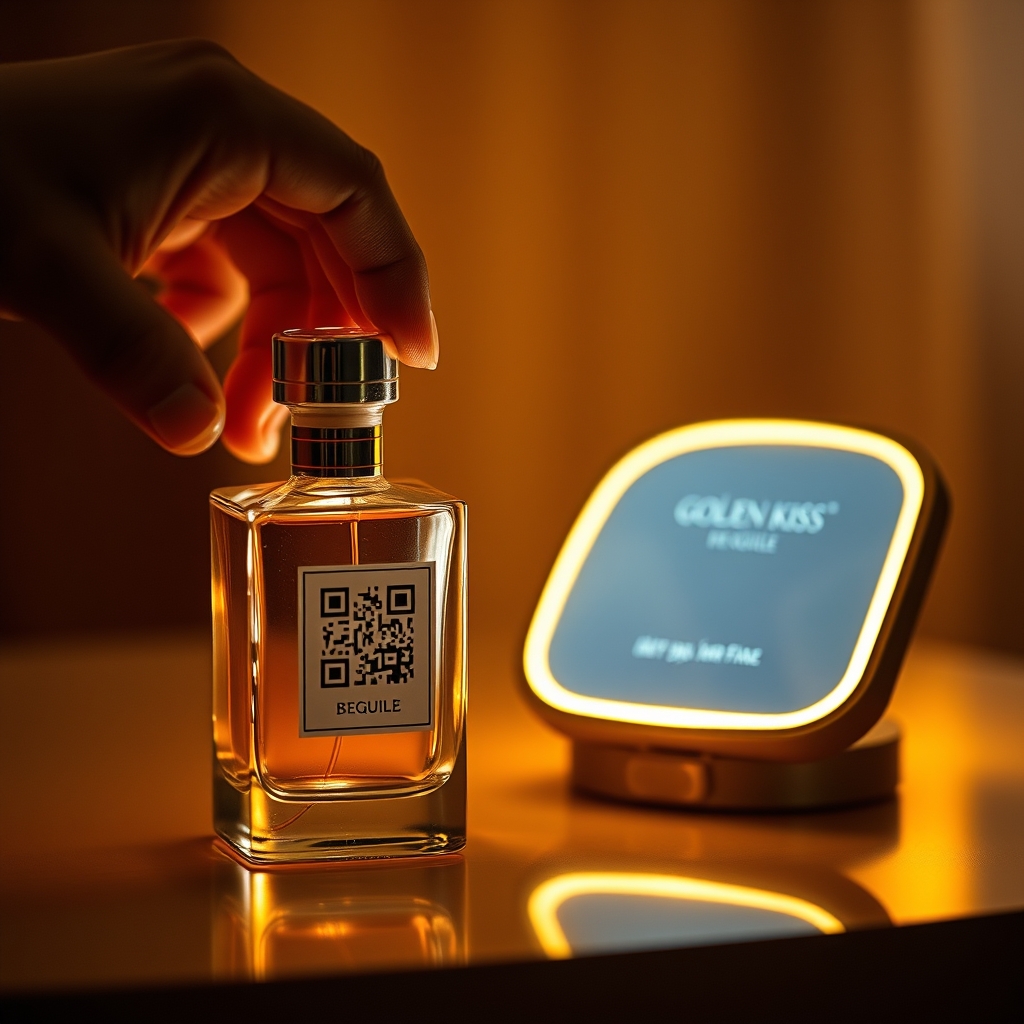
Golden Kiss, the new fragrance released by the cosmetics brand Beguile, has been minted as a limited‑edition non‑fungible token on the Ethereum blockchain. The perfume arrives in a frosted glass bottle that releases a warm amber‑spiced aroma, a scent the brand describes as "radiant and romantic." By coupling the physical spray with a digital token, Beguile offers buyers a cryptographic certificate of authenticity that can be transferred or sold independently of the bottle itself.
How the Golden Kiss NFT secures provenance
The token embeds a unique hash that references the bottle's batch number, production date, and a high‑resolution image of the label. When the owner scans the QR code on the bottle, a lightweight web app reads the blockchain entry, confirming that the fragrance has not been duplicated or counterfeited. This mechanism creates a transparent ledger that bridges the tactile experience of scent with an immutable digital record.
For a collector, the moment of hesitation is palpable: the cursor hovers over the "Buy" button while the amber notes drift from the bottle, and the mind weighs the permanence of a blockchain entry against the fleeting pleasure of the perfume itself. That pause illustrates the structural tension between exclusivity—an asset that can be owned forever—and speculation, where the token's market value may outpace the scent's sensory worth.
The move signals a broader shift in luxury goods, where brands leverage NFTs to certify authenticity, combat counterfeits, and open secondary markets without eroding the tactile allure of their products. It matters because it demonstrates that blockchain can extend beyond finance, providing a concrete tool for preserving and monetising physical luxury in a digital age.
Technical mechanics and market implications
Each Golden Kiss token follows the ERC‑721 standard, ensuring uniqueness and interoperability across wallets. The smart contract includes a royalty clause that returns a percentage of any resale to Beguile, aligning the brand's interests with secondary‑market dynamics. While the token can be traded independently, the physical bottle remains the primary conduit for the fragrance's sensory impact, anchoring the digital asset in a real‑world experience.
In practice, the token does not alter the perfume's formulation; it simply adds a layer of provenance that can be verified instantly, a feature that could become a baseline expectation for high‑end cosmetics.
As the fragrance industry watches this experiment, the quiet confidence of Beguile's approach suggests that the convergence of scent and code may redefine luxury not through flash but through verifiable trust.




















