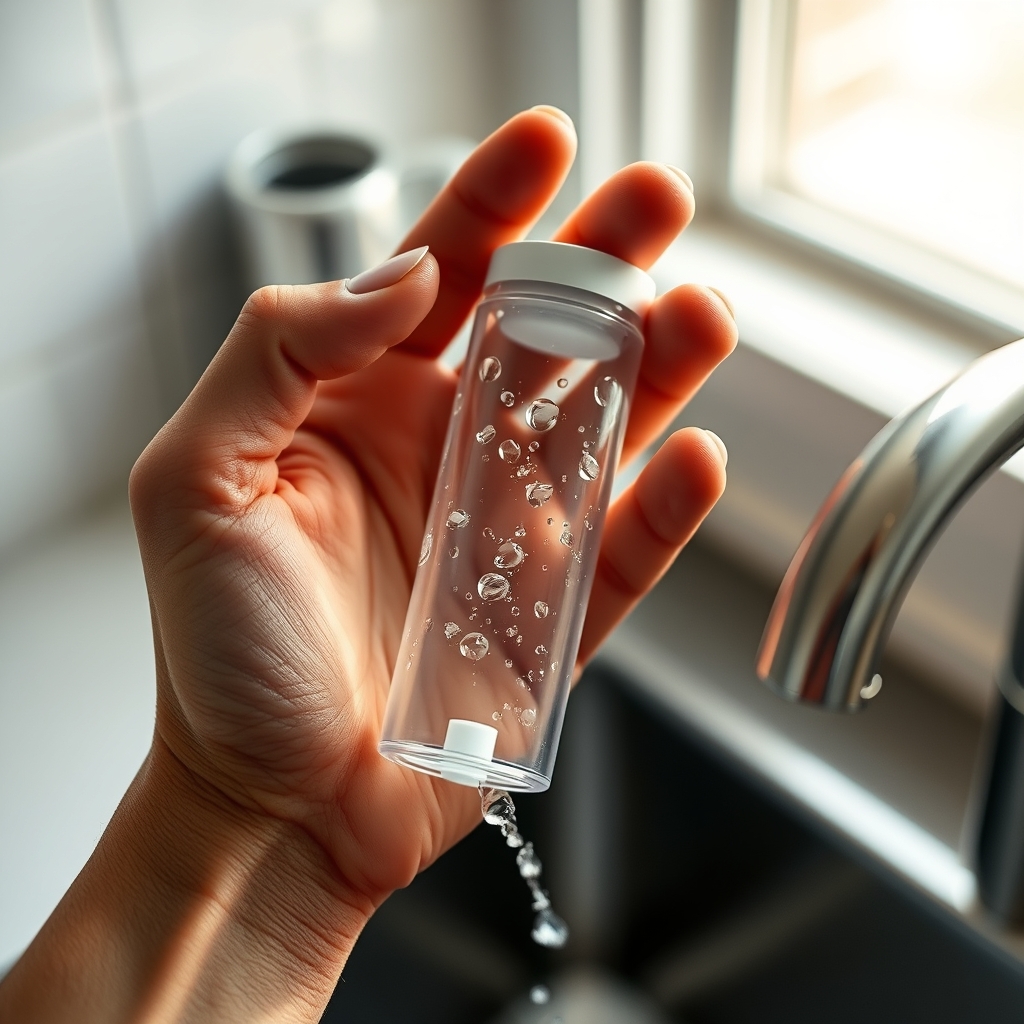
Nanocage technology reshapes home water filtration
Scientists have engineered nano‑sized cages that lock onto PFAS molecules, enabling home water filters to capture even the hardest‑to‑remove short‑chain compounds. In laboratory trials the material removed up to 98 % of these pollutants and retained its performance after several cycles of use. The breakthrough shifts water treatment from a reactive scramble to a proactive, material‑based solution.
From laboratory to kitchen sink
When the prototype cartridge was installed in a modest kitchen faucet, the first glass of water tasted crisp, and a faint hiss rose as it passed through the nanocages. A homeowner paused, thumb hovering over the new filter, uncertain whether the promise of "reusability" outweighed the habit of replacing cartridges annually. After a brief hesitation she clicked it into place, the click resonating like a quiet seal.
Why the breakthrough matters
The structural tension at play is efficiency versus safety: the system must trap microscopic chemicals without sacrificing flow rate or durability. By marrying a porous architecture with a chemically selective cage, the design delivers both. This aligns with a broader cultural move toward sustainable consumer goods, where beauty, fashion and everyday health converge on cleaner water. The ability to eliminate short‑chain PFAS—once considered untouchable—means households can protect skin‑care routines and textile care from invisible contaminants.
It matters because persistent PFAS threaten public health and infiltrate products from cosmetics to clothing. Cleaner water will become a quiet expectation, not a rare luxury.




















