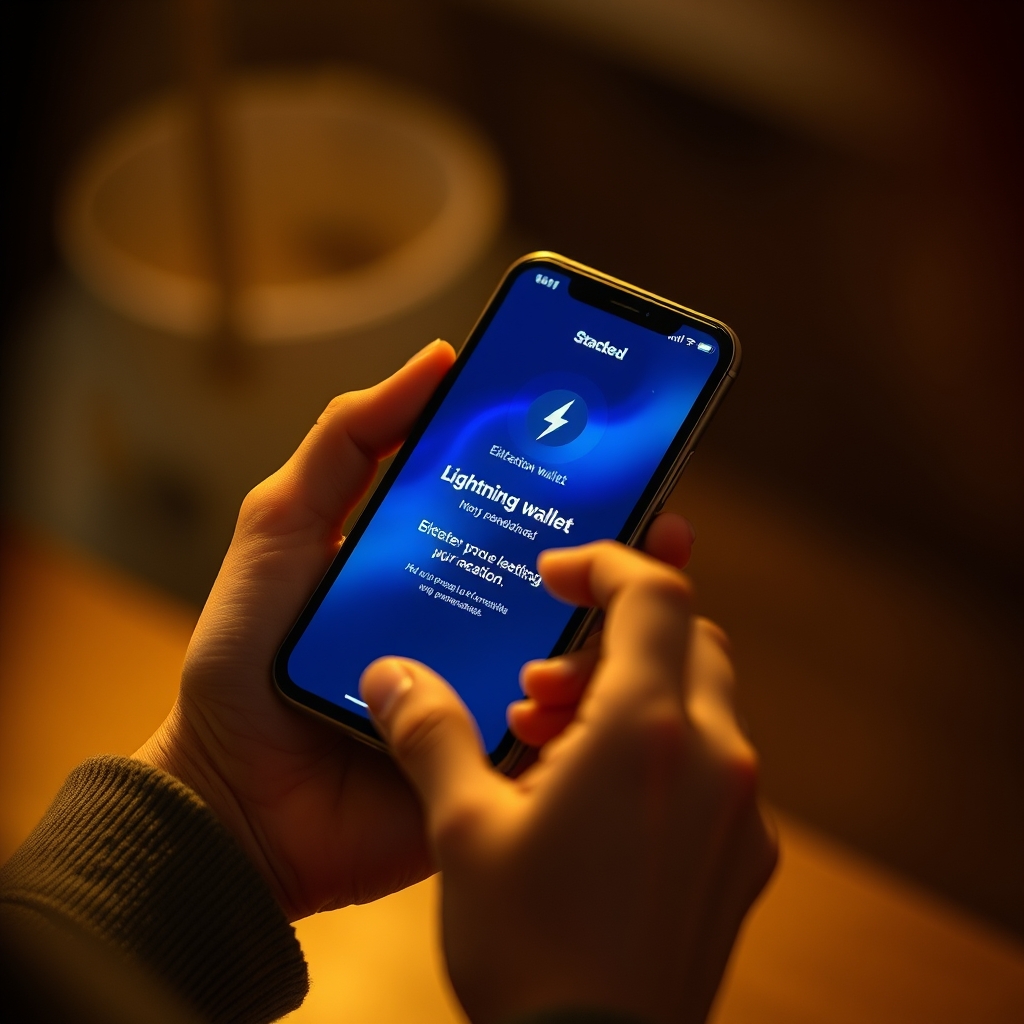
Stacked, the rebranded Lightning Pay, announced on 8 April 2026 that it has released a self‑custodial Lightning wallet for New Zealand users. Built on the Breez and Spark SDKs, the wallet lets holders receive Bitcoin directly into a personal node and settle everyday bills such as rent or utilities through Open Banking. The launch makes Stacked the country's last major non‑custodial Bitcoin exchange after a series of mergers and closures. By handing private keys to users, the service restores full control but also reintroduces the operational risk that custodial services once absorbed.
How Stacked's wallet changes Bitcoin payments in New Zealand
The interface greets users with a muted gray background; a faint notification tone punctuates each incoming transaction, a sound that feels like a soft tap on a wooden desk. When a user taps the 'pay bill' option, a moment of hesitation appears—thumb hovering over the confirmation button as the app displays the exact fee, a reminder that the Lightning Network's speed comes at the price of reduced on‑chain finality. This tension between efficiency and safety is the structural fault line that defines the wallet's design.
Beyond the technical layer, the launch signals a cultural shift. After a wave of platform consolidations, New Zealand's crypto community has been left with few avenues for true self‑custody. Stacked's move reframes the narrative from one of market retreat to a renewed emphasis on user sovereignty, echoing global debates about decentralisation versus regulatory pressure.
The service matters because it restores user sovereignty in a market where custodial failures have eroded trust. As more merchants integrate Open Banking, the wallet could become a conduit for everyday Bitcoin use, nudging the broader economy toward a hybrid cash‑digital model.
In the weeks ahead, the real test will be whether New Zealanders, accustomed to the convenience of custodial apps, will embrace the responsibility of managing their own keys, a decision that will shape the nation's crypto trajectory.
Across the Pacific, the experiment reflects a broader quest for financial autonomy in the face of tightening oversight.
Only time will reveal if self‑custody can sustain everyday commerce.




















