Safety versus spectacle at Coachella
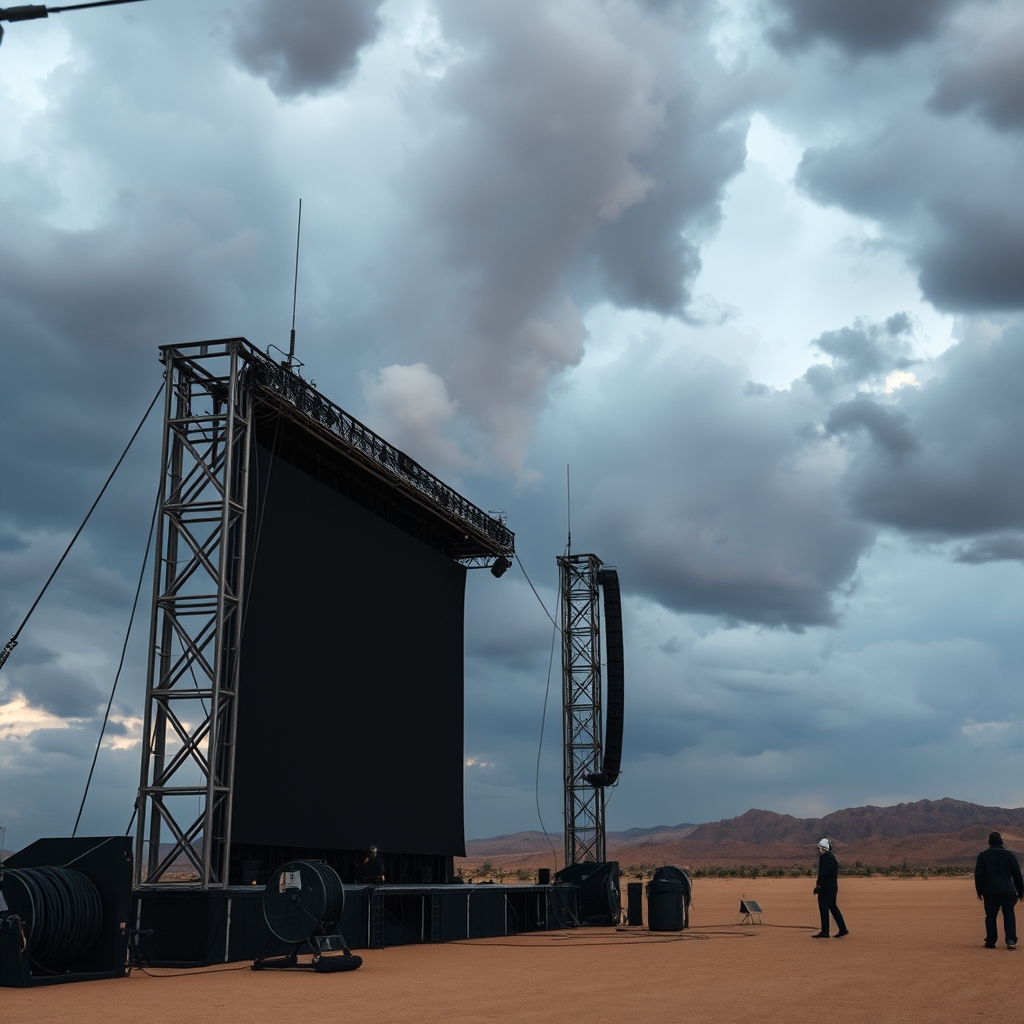
On the opening night of Coachella 2024, the festival's organizers announced that Anyma's midnight set on the main stage would not take place because a sudden thunderstorm brought wind speeds exceeding safe limits. The decision came roughly ninety minutes after Sabrina Carpenter closed her headline slot, when the low rumble of distant thunder rolled across the desert and the temperature dropped by several degrees.
Stage manager Luis Alvarez paused, eyes flicking to the anemometer, then gave a terse nod that sent crews scrambling to disconnect power and lower the towering speaker arrays. That moment of hesitation illustrates the structural tension between safety and spectacle that large‑scale events constantly negotiate.
Beyond the immediate inconvenience, the cancellation signals a broader cultural shift: festivals are increasingly forced to embed climate resilience into their logistical playbooks. As extreme weather patterns become more frequent, the industry must balance the desire for uninterrupted entertainment with the responsibility to protect artists, staff, and audiences.
Anyma's absence will be felt in the desert's midnight hush, yet the choice to prioritize human welfare over a fleeting performance underscores why this subject matters: it reveals how climate volatility reshapes live‑event planning worldwide.
Looking ahead
Future editions are likely to feature reinforced stage structures, real‑time weather monitoring, and contingency programming that can pivot without compromising safety. The desert may roar, but the festival's rhythm will adapt.




















