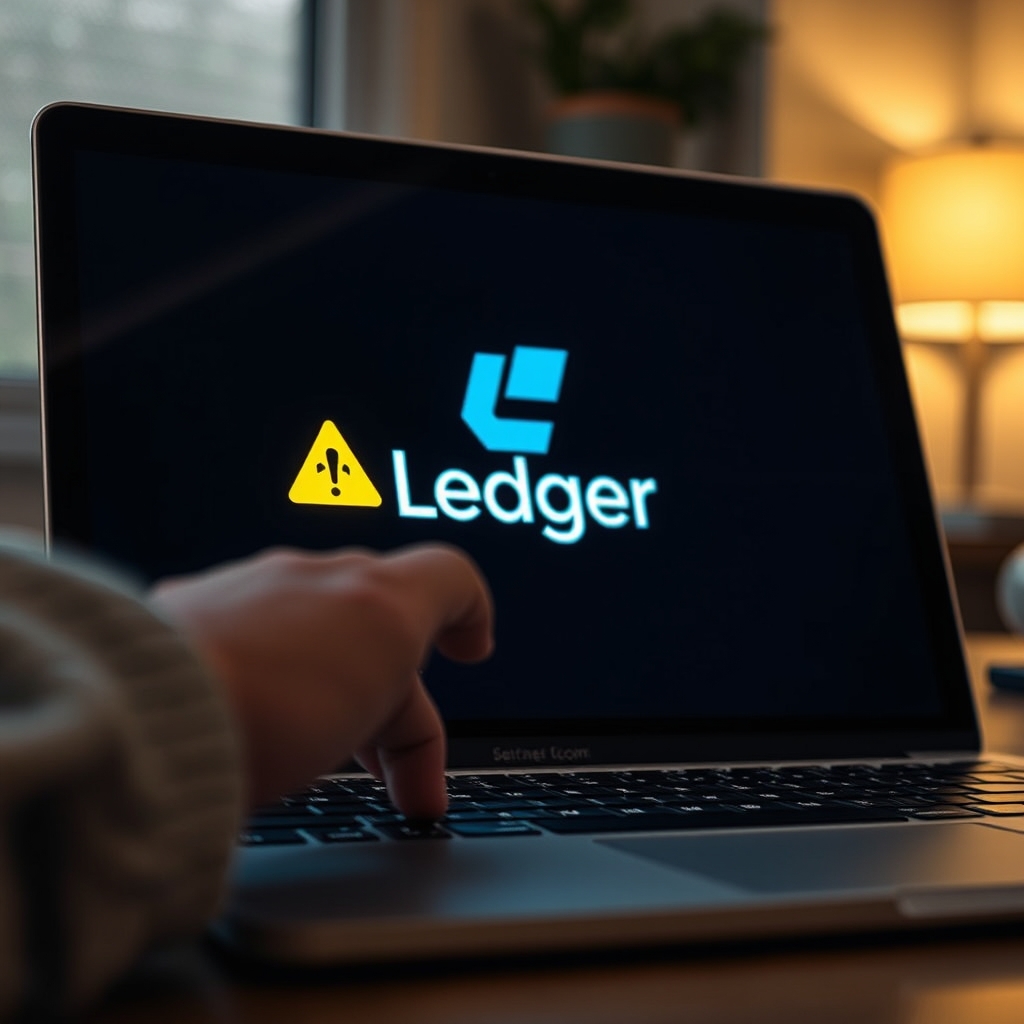
In April 2024, singer‑songwriter G. Love entered his Ledger recovery phrase into an application that appeared on Apple's Mac App Store as an official wallet. The program was a counterfeit, and the six‑bitcoin transaction that followed erased more than $424,000 from his account. The loss was disclosed in an X post on April 11, where Dutton described the moment he watched the balance drop while the screen's blue light hummed in his home studio.
Why a trusted storefront could not stop the scam
The app passed Apple's review process by mimicking Ledger's branding, using the same iconography and a polished interface that felt familiar. This structural tension—security versus convenience—allowed a malicious actor to exploit users' trust in the platform's curation. The incident illustrates a broader cultural shift: as cryptocurrency moves into mainstream consumer tech, the traditional gatekeepers of software quality are being outpaced by the speed of financial deception.
When Dutton typed the twelve‑word phrase, he hesitated for a heartbeat, recalling a warning about never sharing recovery data. The pause dissolved as the app's "verified" badge reassured him, and the keystrokes continued. That split‑second decision underscores the psychological lure of legitimacy in a digital age.
Beyond the headline, the episode forces developers, auditors, and users to reconsider how verification is communicated. It matters because it exposes the false sense of security users place in curated app stores, highlighting the need for stricter verification of crypto software.




















