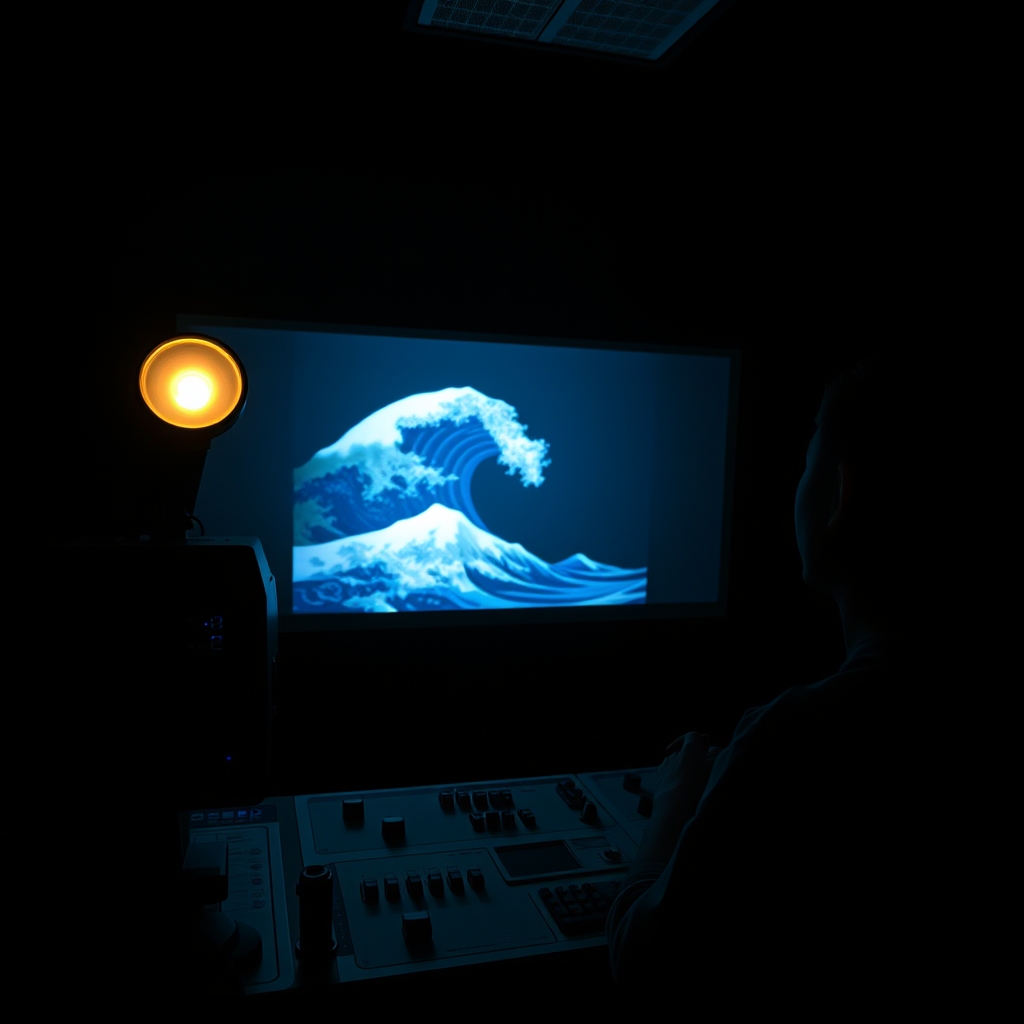
Cannes' Critics Week begins its 65th edition on May 15, opening with Phuong Mai Nguyen's animated feature In Waves and concluding on May 22 with Félix de Givry's coming‑of‑age drama Adieu monde cruel. The two films bookend a program that balances experimental animation with raw, youthful storytelling, offering a snapshot of the festival's evolving curatorial focus. In Waves, a hand‑drawn odyssey through grief, will debut in the Palais des Festivals' modest screening room, while de Givry's French‑language portrait of adolescent rebellion closes the week with stark realism.
Opening night: Phuong Mai Nguyen's In Waves
The animated feature arrives as a study in visual poetry, each frame rendered with the tactile texture of charcoal on paper. The low hum of the projection lamp filled the darkened hall, a sound that reminded the audience of cinema's mechanical roots. Nguyen paused, her hand hovering over the edit button, unsure whether the final ripple would convey the intended melancholy. This hesitation underscores a structural tension: the desire for artistic purity versus the pressure to make the narrative accessible to a broader festival audience.
The tension of animation and narrative intimacy
Rather than merely showcasing emerging talent, Critics Week now functions as a barometer of global narrative diversification. The film's fluid line work, like memory's tide, each frame lapped at the shore of consciousness, signals a shift toward hybrid storytelling that blurs the line between documentary sincerity and animated abstraction.
Closing night: Félix de Givry's Adieu monde cruel
De Givry's drama follows a group of teenagers navigating the edge of adulthood in a provincial French town. The scene where a bicycle brakes on wet cobblestones is captured with a crisp, almost tactile sound that lingers, grounding the emotional turbulence in a physical moment. The film's raw aesthetic confronts the festival's commercial expectations, highlighting the perennial tension between aesthetic daring and market safety.
Youth, rebellion, and the weight of expectation
By pairing an experimental animation with a gritty coming‑of‑age story, Critics Week frames a cultural dialogue about the future of cinema: one that values both visual innovation and narrative immediacy. The lineup matters because it signals the festival's commitment to foreground emerging global narratives.
In the quiet after the final credits, the Palais's empty aisles echo the week's larger conversation—how festivals can nurture daring voices while remaining anchored in the lived realities of their audiences.
Critics Week reminds us that cinema's power lies in its ability to hold a mirror to both art and everyday life.




















