What the research says about sparkling water and metabolism
Recent clinical trials have measured how sparkling water influences blood sugar response and short‑term energy use in adults. In a crossover study, participants drank 500 ml of carbonated water before a glucose tolerance test; the fizz produced a marginally faster decline in post‑prandial glucose compared with still water. The physiological shift is small—about a two‑percent increase in glucose clearance—yet it illustrates a measurable, if modest, interaction between carbonation and gastric emptying.
The structural tension lies between the beverage's marketed image as a "healthy alternative" and the scientific reality that its effect is insufficient to replace diet or exercise. The allure of bubbles can mask the fact that weight management still hinges on caloric balance and sustained activity.
In the broader wellness movement, sparkling water occupies a niche where low‑calorie indulgence meets functional promise. Its rise mirrors a cultural shift toward "micro‑optimizations" in daily habits—tiny choices that feel progressive without demanding systemic change.
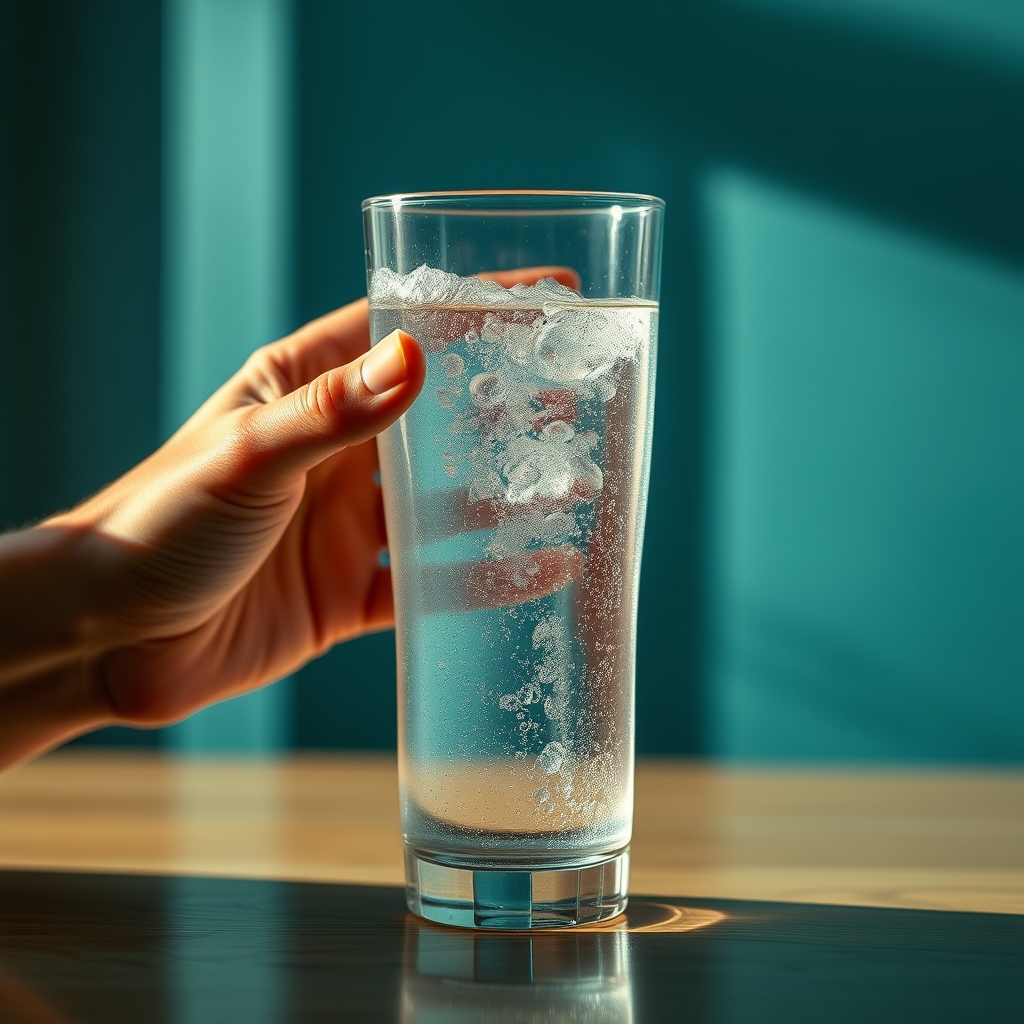
When Jenna paused at the office fridge, hand hovering over a sugary soda, the soft hiss of carbonation from a chilled bottle of sparkling water gave her a moment of hesitation. She chose the fizz, noting the cool glass against her palm, the faint clink of ice, and the bright, effervescent sound that seemed to promise a healthier path.
Understanding the true impact of sparkling water matters because consumers base dietary choices on perceived health claims.
Practical takeaways
For those who already enjoy the sensation of bubbles, substituting sugary sodas with sparkling water can shave a few calories and modestly smooth blood‑sugar spikes. However, the benefit does not compound into significant weight loss without accompanying nutritional discipline and regular movement.




















