When Sheryl Lee Ralph stepped onto the modest stage of the Sundance Film Festival in January 2024, she did more than receive a standing ovation for her performance in the wrenching drama "Echoes of Home." She also voiced a stark truth: "People didn't know if they wanted to touch this subject," she said, referring to the film's unflinching portrayal of intergenerational trauma. Confronted with distributors' hesitancy, the film's creators chose to bypass the traditional sales‑agent route, launching a cooperative distribution platform that sells tickets directly to audiences and shares revenue with the filmmakers.
How the new cooperative model works
The platform operates on a sliding‑scale fee structure, allowing the filmmakers to retain a larger share of box‑office receipts while still covering marketing and venue costs. This arrangement creates a structural tension between artistic integrity and commercial viability: the creators preserve creative control, yet they must shoulder logistical burdens previously handled by seasoned distributors. By crowdsourcing a modest seed fund and leveraging a network of independent cinemas, the team turned a distribution dead‑end into a self‑sustaining ecosystem.
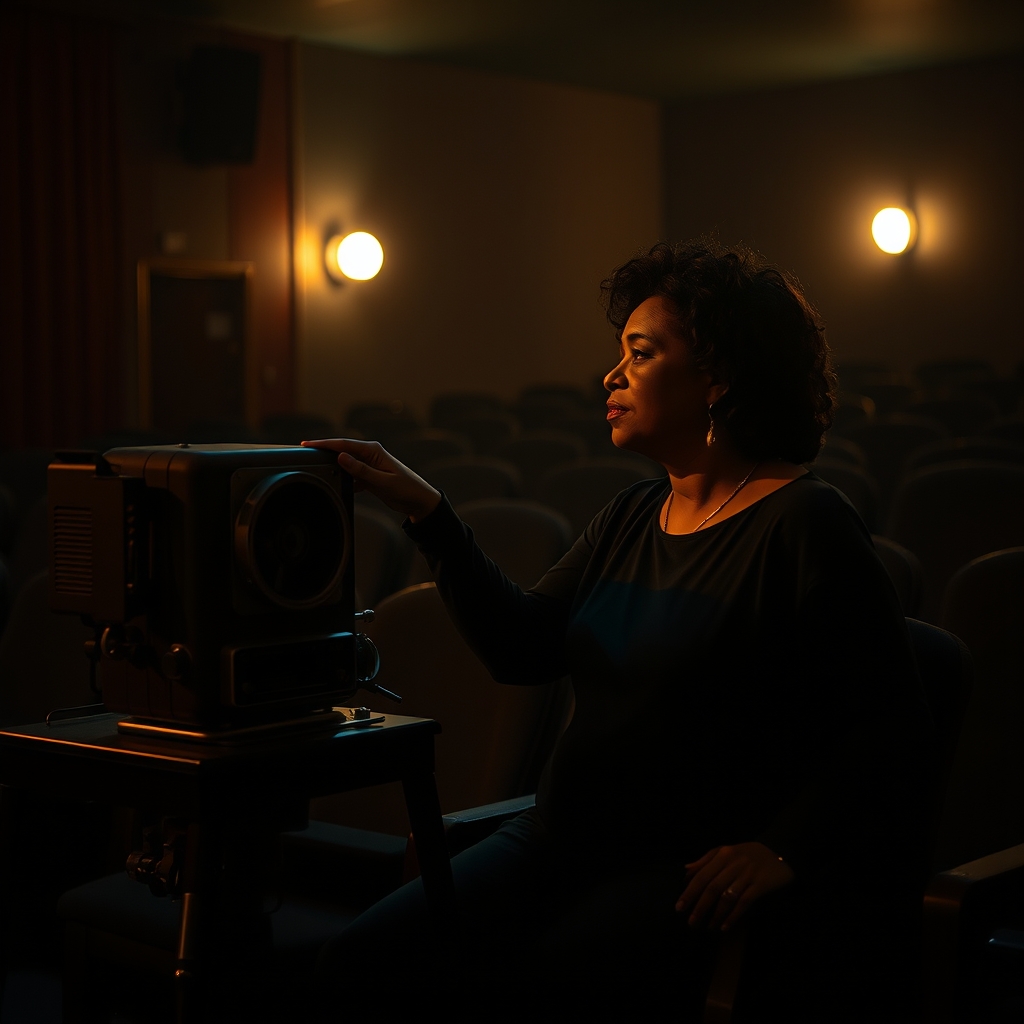
In the dimly lit Brooklyn venue where the film opened, the faint smell of celluloid mingled with the low hum of the projector. The director lingered over the contract, fingers hovering before he signed, a moment of hesitation that underscored the weight of the decision. That pause, witnessed by a handful of attentive crew members, embodied the broader shift toward filmmaker‑led distribution in an industry still dominated by legacy studios.
Beyond the economics, the model signals a cultural movement: a democratization of narrative pathways that empowers stories once deemed too risky for mainstream channels. It reframes indie cinema not as a peripheral curiosity but as a viable, self‑directed conduit for diverse voices.
It matters because it offers a replicable path for low‑budget storytellers to reach audiences without surrendering creative control.
As the credits rolled and the audience rose in quiet applause, the ripple of this experiment was already felt in neighboring cities planning similar rollouts. The film's modest success suggests that when creators claim the means of distribution, the industry's gatekeeping can be recalibrated.
In a landscape where streaming giants dominate, this cooperative approach reminds us that independent cinema can still carve out its own space.
Change begins when artists choose to distribute their own truth.




















