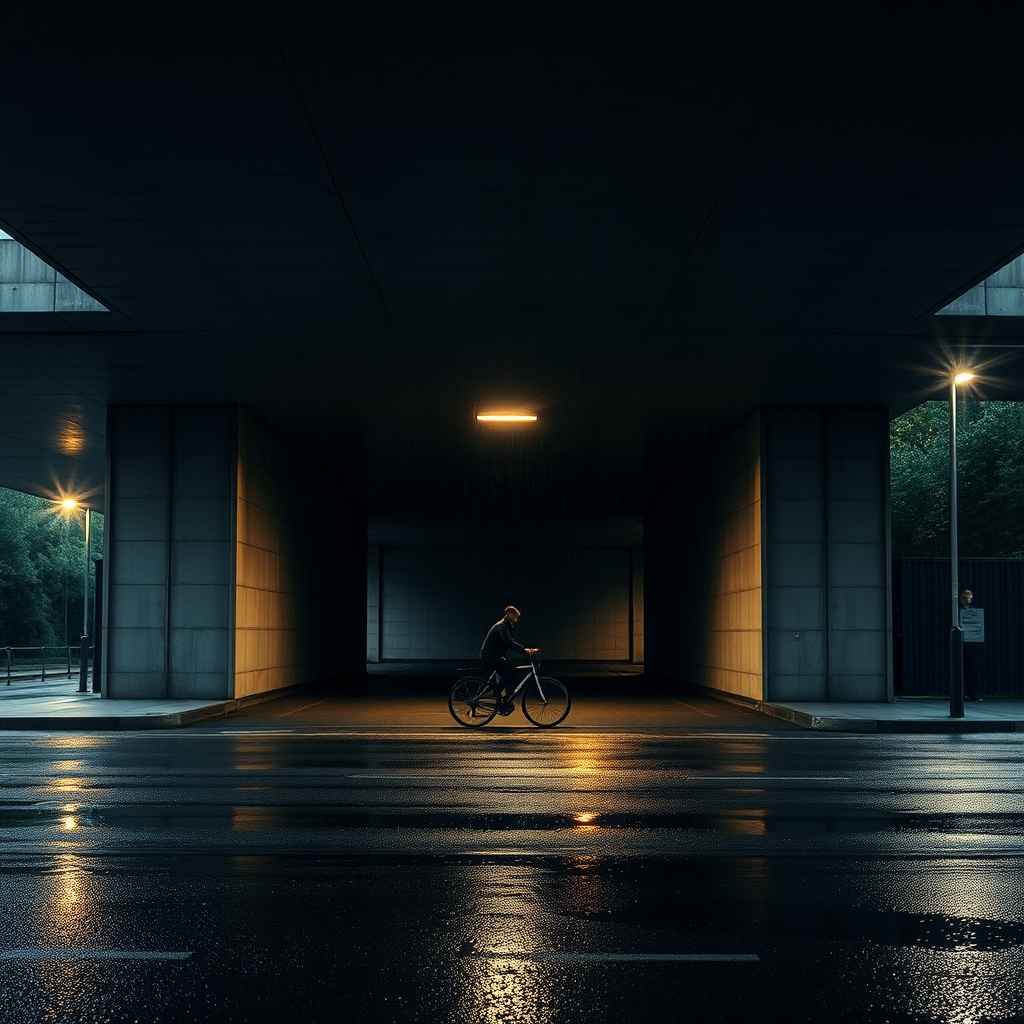
Under the concrete arches of city flyovers, metro viaducts and railway overpasses lie shadowed corridors that pulse with a different rhythm. The cool air carries the faint echo of distant traffic, while rain‑slicked pavement reflects a muted streetlight. These under‑flyover spaces, often dismissed as afterthoughts, are the physical imprint of a planning choice that prizes speed and clearance above ground‑level experience.
The design trade‑off: speed versus street‑level vitality
When engineers lift a transit line, the immediate gain is unimpeded flow; the secondary cost is a strip of ground that receives less light, less foot traffic, and consequently less economic attention. This creates a structural tension between efficiency and visibility: the city moves faster above, while the life below becomes fragmented. Yet the very neglect that marks these zones also makes them fertile ground for informal markets, street art, and spontaneous social encounters, reframing them as potential hubs of urban resilience.
A vendor, clipboard in hand, pauses at the threshold, weighing the risk of rain against the promise of a passing crowd. In that hesitation, the space asserts its agency, reminding us that design decisions echo in everyday choices.
These overlooked corridors shape daily experience and equity in the city, influencing who feels welcome where and when.
As cities reckon with climate and livability, the conversation is shifting from building up to building across, inviting a more grounded urbanism that values the spaces beneath as much as those above.
Recognizing the hidden life below can redraw the map of public realm.




















