Box‑Office Performance and Cultural Impact
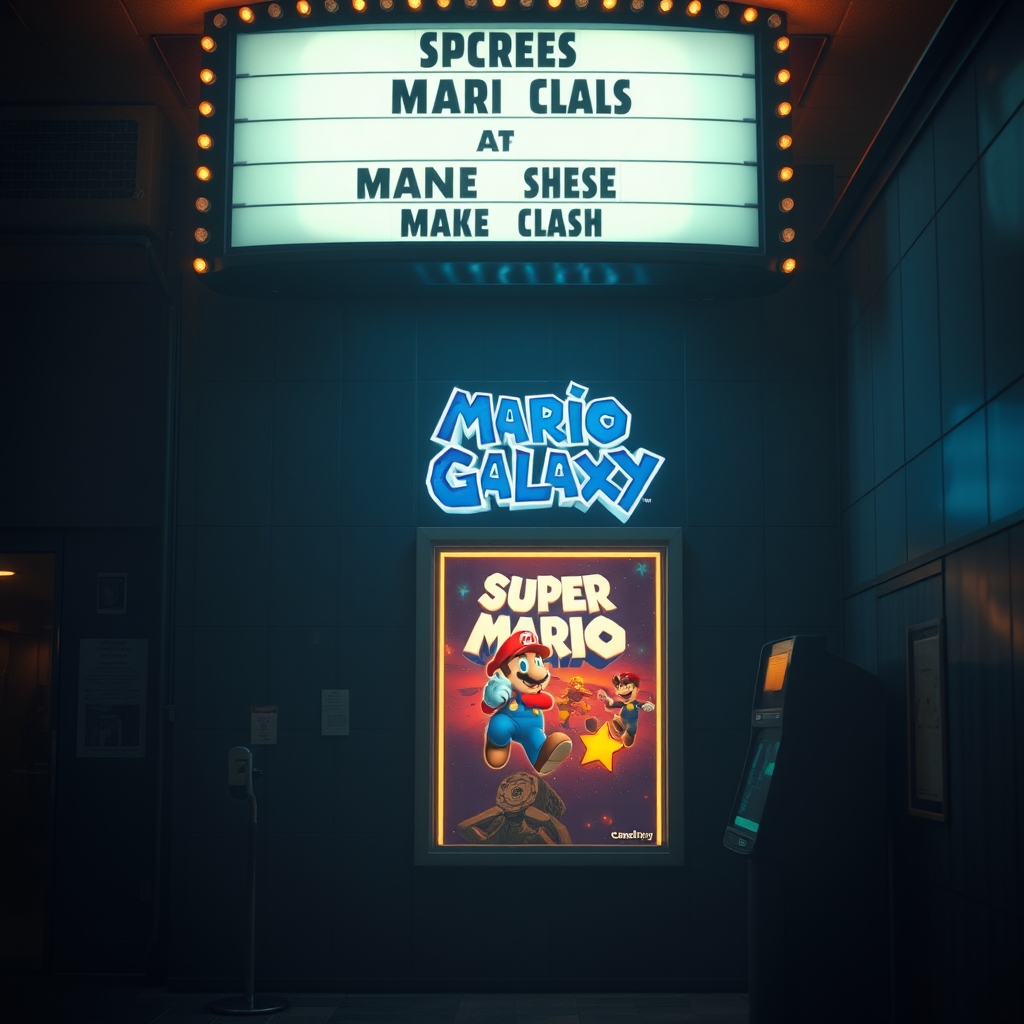
The Super Mario Galaxy movie earned $35 million in its third weekend, keeping the film atop the domestic box‑office chart. The Universal‑Illumination release, now the year's highest‑grossing title, has accumulated $355.2 million in the United States and $747.5 million worldwide, positioning it on a trajectory toward the $1 billion milestone. In the dim glow of the theater lobby, the marquee's red letters flicker while a ticket clerk pauses, double‑checking the latest figures before confirming the surge. That brief hesitation mirrors a larger tension between the spectacle of franchise tentpoles and the industry's push for narrative depth.
Beyond the raw numbers, the film's success signals a turning point for video‑game adaptations, which have long struggled to translate interactive excitement into cinematic coherence. By marrying the kinetic energy of a platformer with a family‑friendly story structure, the movie demonstrates how legacy IP can command audience attention without relying on streaming shortcuts. The structural tension here is efficiency versus safety: studios chase quick franchise returns, yet must safeguard artistic integrity to avoid the fatigue that plagued earlier game‑based releases.
This moment sits within a broader cultural movement where nostalgia fuels box‑office resilience, even as streaming platforms erode traditional attendance. The palpable hum of the projector and the scent of buttered popcorn in theaters remind us that communal viewing remains a potent cultural ritual. The film's ascent matters because it proves that well‑crafted, franchise‑driven cinema can still generate massive theatrical revenue in an era dominated by digital consumption.
As the credits roll and the lights rise, the industry watches whether the momentum will translate into a new standard for adapting interactive media.
In the end, the movie's earnings reflect more than profit—they echo a collective desire for shared, larger‑than‑life experiences.




















