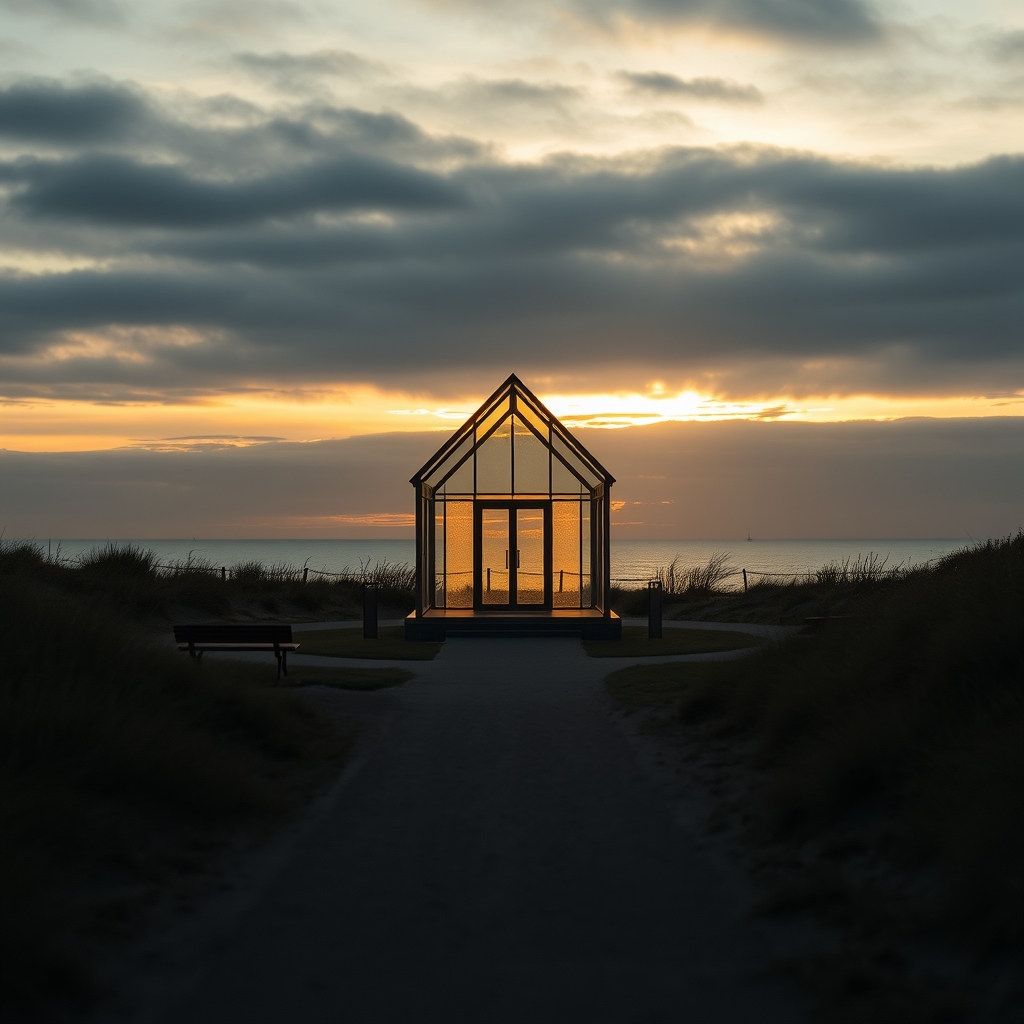
In Praia Norte, a coastal district of Viana do Castelo, architects were asked to design a new urban park beside the Atlantic while retaining a modest glass‑fronted oratory that locals had built to honor Saint Peter, the patron of fishermen. The structure, perched on a sand‑spit, reflects the morning light and the sound of surf, its transparent walls catching the tide's pale hue.
Balancing Heritage and Landscape in Coastal Design
The project confronts a classic tension: the efficiency of a modern public space versus the safety of cultural memory. By integrating the chapel rather than demolishing it, the design reframes the building from a static relic to a living waypoint that guides visitors through the park's circulation.
During the community workshop, an elderly fisherman paused, his hand hovering over the sketch before he whispered, "If we lose that glass, we lose the sea's story." That hesitation crystallized the broader movement toward climate‑responsive developments that honor vernacular heritage, a shift seen in coastal towns across Europe.
The decision to keep the oratory matters because it anchors community identity amid rapid coastal urbanization.
Beyond its symbolic weight, the chapel creates a tactile pause: the cool texture of its stone base contrasts with the warm sand, inviting a moment of reflection before the park's pathways open toward playgrounds and promenades.
In the weeks that follow, children will climb the low steps, parents will linger on the benches, and the sea will continue its rhythm, all while the preserved glass façade silently records the dialogue between past and future.
Preserving such sites ensures that development does not erase the narratives that give a place its soul.




















