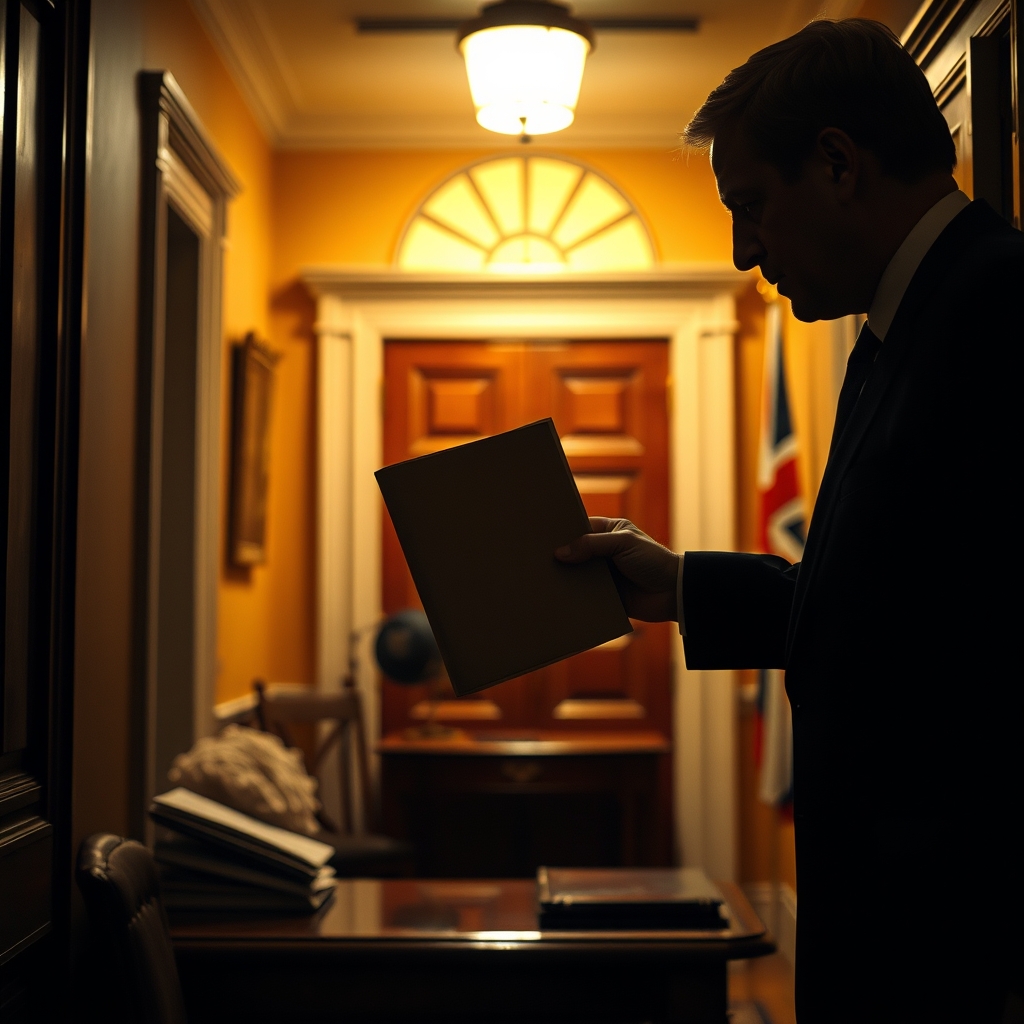
Last week the Prime Minister learned that senior officials in the Foreign Office had deliberately withheld a briefing on a pending diplomatic negotiation. He described himself as "staggered" when the detail emerged in a closed‑door meeting on Downing Street, the faint hum of the air‑conditioning punctuated by the rustle of paper as the dossier was finally placed on his mahogany desk. The episode spotlights a structural tension between the civil service's tradition of confidentiality and the democratic demand for transparency.
What the Foreign Office concealment reveals about ministerial oversight
The Prime Minister paused, his hand gripping the edge of the desk, before asking for a full account. That hesitation underscores a broader cultural shift: citizens increasingly expect real‑time insight into governmental decisions, challenging a legacy of insulated bureaucracy. While national security arguments justify some secrecy, the incident demonstrates how unchecked opacity can erode public trust. It matters because it exposes a gap in democratic accountability within the government, prompting calls for clearer protocols that balance security with openness.
In the months ahead, parliamentary committees are likely to scrutinise the mechanisms that allowed the information to be withheld, signalling a possible recalibration of the civil service's role in a more transparent political era.




















