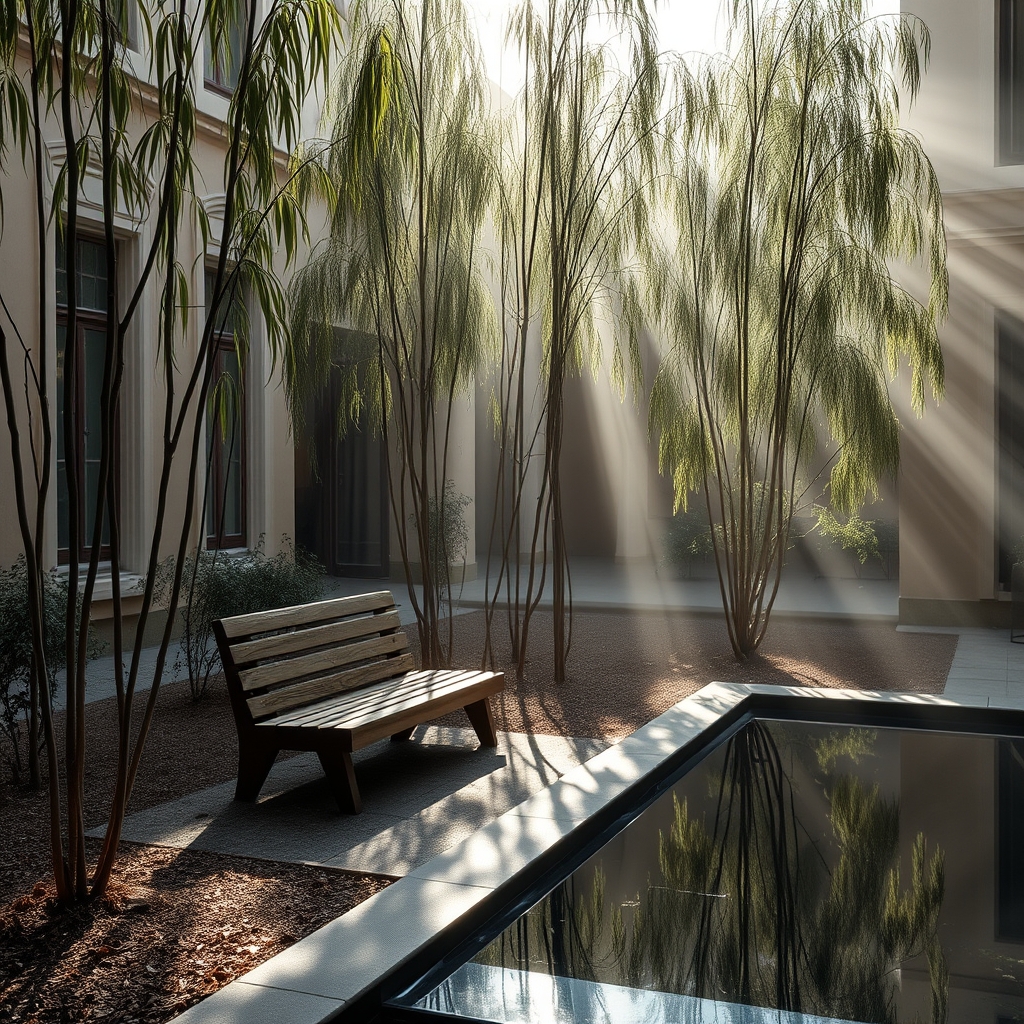
On April 22, International Mother Earth Day sparked a week of architectural discourse that examined how cities can rewild urban spaces, restore waterways, and embed ancestral knowledge into contemporary design, while Milan Design Week 2026 opened with a series of installations that test the limits of sustainable living. The United Nations' House of No Waste competition announced winners whose proposals turn material scarcity into a generative constraint, offering scalable models for waste‑free public infrastructure.
How rewilding reshapes urban design
In the newly created "River Rebirth" pavilion, the sound of flowing water mingles with the rustle of newly planted reeds, reminding visitors that cities sit upon living ecosystems. The design team paused before selecting a reclaimed timber panel, feeling the grain's roughness and weighing its embodied carbon against the sleek efficiency of new composites. Their hesitation revealed a structural tension: the desire for construction speed collides with the imperative to preserve ecological integrity.
From waste to resource in public architecture
The award‑winning "House of No Waste" reimagines demolition debris as modular bricks, allowing structures to be disassembled and reassembled without new extraction. This reframes sustainability not as an afterthought but as the primary material logic, shifting the narrative from remediation to regeneration. By integrating community workshops that teach residents to repurpose these bricks, the projects embed social resilience into the built fabric.
Design week as a laboratory for smarter homes
Amid Milan's bustling streets, a quiet showroom displayed innovative home appliances that learn occupants' routines, dimming lights as dusk settles and adjusting water temperature to the ambient humidity. The tactile click of a ceramic knob and the cool glide of a stainless‑steel handle make technology feel like an extension of daily habit rather than a disruptive gadget. This matters because the built environment determines the climate trajectory of the next century.
The convergence of Mother Earth Day, Milan's design showcase, and the UN competition illustrates a broader cultural shift: design is no longer a decorative luxury but a civic responsibility that negotiates efficiency, waste, and cultural memory.
As the week draws to a close, the city's streets retain the faint scent of fresh earth, a reminder that architecture can nurture the planet as it shelters its people.
Design now stands at the crossroads of habit and hope.




















