Kalshi, one of the world’s largest prediction‑market platforms, announced on Wednesday that it will integrate DoubleZero’s Solana‑based low‑latency data feed into its order book. The move mirrors the data‑distribution models that have powered traditional exchanges such as the NYSE, Nasdaq and the CME for decades, and it signals a decisive step toward Wall Street‑style infrastructure in digital‑asset markets.
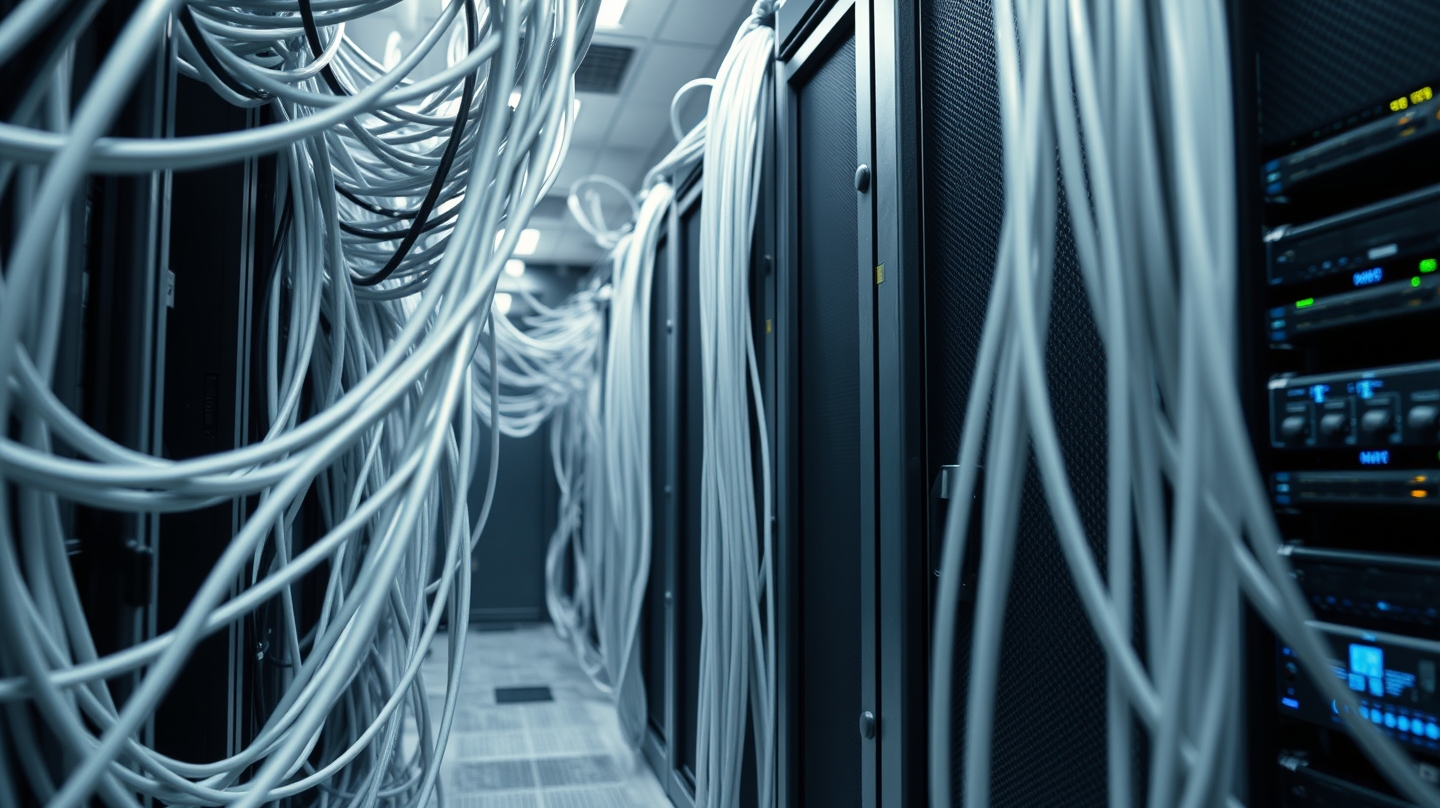
DoubleZero’s transport layer, dubbed DoubleZeroEdge, moves live exchange and on‑chain information over dedicated fiber optic links, publishing the feed simultaneously to every connected trader. In traditional finance, institutions rely on purpose‑built networks to shave milliseconds off latency; crypto traders, by contrast, still depend on the public internet, which introduces variable delays. By offering a bespoke on‑chain system, DoubleZero aims to give crypto firms the same deterministic performance that institutional equities desks have long enjoyed.
The partnership matters because prediction markets like Kalshi price macro‑economic releases—interest‑rate decisions, inflation reports, geopolitical events—within fractions of a second. A millisecond advantage can translate into measurable profit or loss when a headline moves hundreds of dollars in price. Kalshi will initially roll out the feed for its most actively traded contracts, including crypto perpetual futures, allowing firms to price, hedge and generate signals with a machine‑readable view of the market.
From a market‑reaction perspective, the high‑speed feed is expected to tighten spreads and deepen liquidity as more institutional players enter the space. Faster data reduces information asymmetry, encouraging larger order sizes and more sophisticated strategies such as statistical arbitrage. Early adopters may also use the feed to calibrate risk models that previously relied on delayed or aggregated data, potentially reshaping how capital is allocated across crypto and traditional assets.
Structurally, DoubleZeroEdge replicates a proven architecture: a dedicated fiber backbone that transports raw market data to a distribution hub, which then fans out the feed to all subscribers in real time. This design eliminates the bottlenecks of public internet routing and aligns on‑chain data latency with the sub‑second benchmarks of legacy exchanges. By embedding the same model on Solana—a high‑throughput, low‑cost layer‑1 blockchain—Kalshi bridges the gap between decentralized finance and institutional-grade infrastructure.
Real‑world implications extend beyond traders. Asset managers and hedge funds that monitor macro‑event risk can now incorporate crypto prediction data into their broader portfolios without fearing stale information. Regulators may also observe a shift toward more transparent, auditable data pipelines, which could influence future guidance on crypto market integrity.
While the partnership is a clear win for institutional demand, it also raises questions about market dynamics. Faster data could accelerate price discovery, but it may also increase the velocity of speculative swings, especially around high‑impact news. Market participants will need to balance the benefits of speed with robust risk controls.
In the broader context, the Kalshi‑DoubleZero collaboration reflects a growing trend: financial institutions are demanding the same low‑latency, high‑reliability infrastructure in crypto that they have long taken for granted in equities and futures. As more platforms adopt similar solutions, the line between traditional finance and decentralized markets will continue to blur.




















