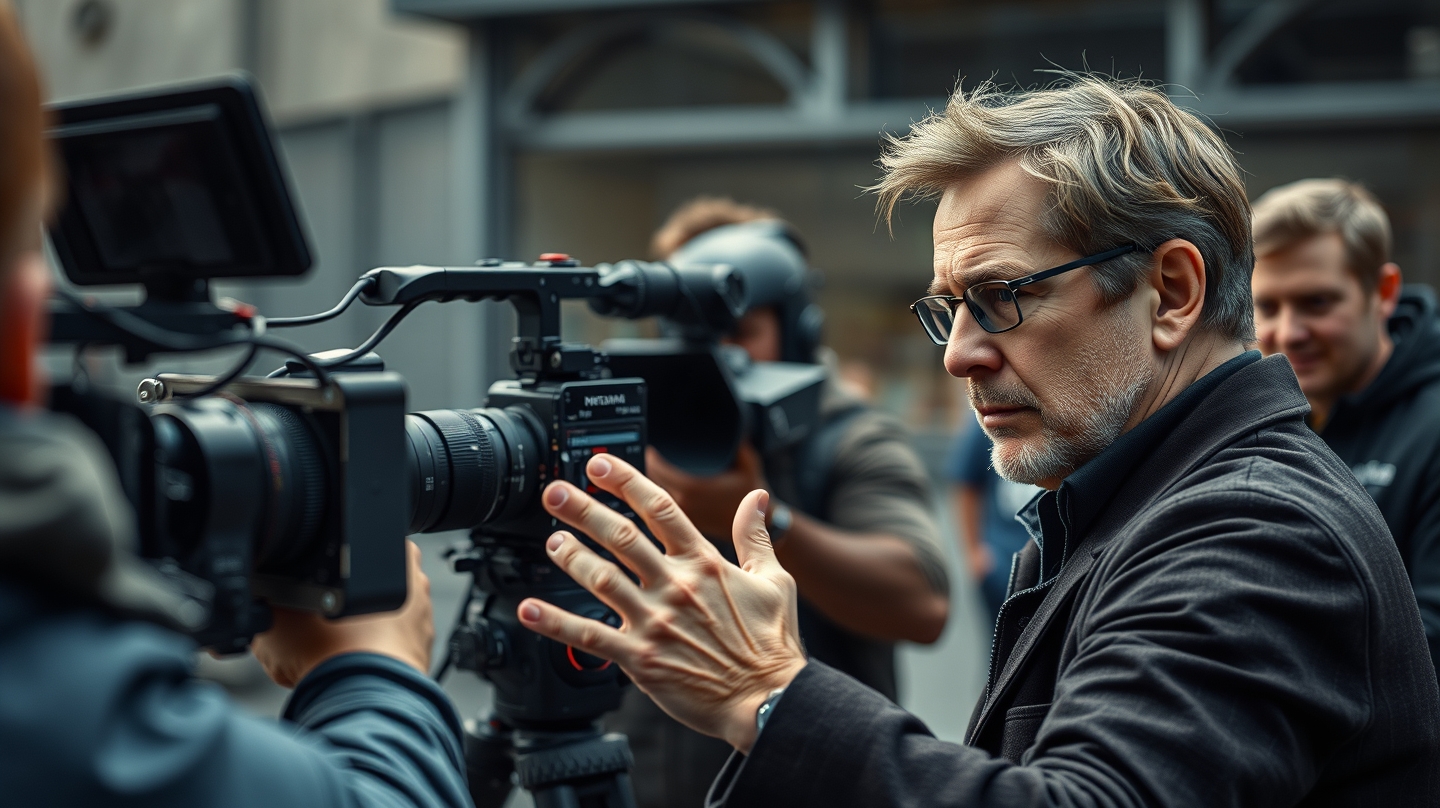
When the first trailers for Christopher Nolan’s upcoming adaptation of Homer’s The Odyssey hit the internet, a chorus of criticism erupted over casting choices, American accents and the decision to modernise the dialogue. In a recent interview with The Telegraph, the Oscar‑winning director brushed the noise aside, calling the early conversation “irrelevant” because, in his view, no one discussing it had actually seen the film.
Nolan’s comments echo a pattern he first described during the Dark Knight trilogy, when skeptics questioned the casting of Heath Ledger as the Joker. “You can’t worry about any of that at all,” he told the publication, adding that the only responsibility is to honour the source material in the strongest way possible. The same logic now guides his approach to The Odyssey, which stars Matt Damon as Odysseus, Anne Hathaway as Penelope, and a diverse ensemble that includes Lupita Nyong’o as Helen of Troy, Zendaya, Robert Pattinson and others.
Beyond the artistic debate, Nolan’s stance highlights a growing tension in the film industry: the clash between real‑time social‑media sentiment and the increasingly automated workflows that shape modern productions. Studios now rely on AI‑driven analytics to gauge audience reaction, allocate marketing spend and even suggest casting options. Yet Nolan’s dismissal suggests that creative decisions may still outrun algorithmic forecasts, especially when a director seeks to re‑interpret an ancient text for a contemporary audience.
Technology adoption is reshaping that very process. The script‑writing phase for The Odyssey reportedly used natural‑language processing tools to test how modern phrasing would land with test audiences, while the visual effects pipeline employed cloud‑based rendering farms that cut post‑production time by nearly 30 %. These automation‑driven efficiencies allow directors to experiment with bold choices—such as American accents for Greek heroes—without the budgetary risk that once constrained such experiments.
The controversy surrounding Lupita Nyong’o’s casting as Helen of Troy, amplified by conservative commentator Matt Walsh on X and even echoed by Elon Musk, illustrates how quickly a single casting decision can become a viral flashpoint. Musk’s brief reply to Walsh’s post, and his later interaction with jokes about Elliot Page’s role as Sinon, underscores how tech‑industry figures can amplify cultural debates, blurring the line between entertainment news and technology commentary.
From a structural perspective, the early backlash serves as a case study in the limits of sentiment‑analysis tools. While algorithms can flag spikes in negative mentions, they cannot predict whether a film’s narrative integrity will ultimately win over audiences. Nolan’s track record—turning skeptical pre‑release chatter into box‑office success—suggests that the “honour the original text” metric may be a more reliable predictor than raw social‑media sentiment.
Real‑world implications are already materialising. Production houses are investing in automated media‑infrastructure that can ingest audience feedback, re‑render scenes, and adjust marketing narratives in near real‑time. However, Nolan’s comments warn that such systems should complement, not replace, the artistic judgment that drives a film’s core identity.
As The Odyssey prepares for its July 17 theatrical release, the industry watches not only for box‑office numbers but also for how the blend of modern dialogue, diverse casting and technology‑enabled workflows will influence future adaptations. If Nolan’s gamble pays off, it could validate a model where creative risk‑taking is supported—not dictated—by automation, reshaping the balance between fan‑driven discourse and director‑led vision.




















