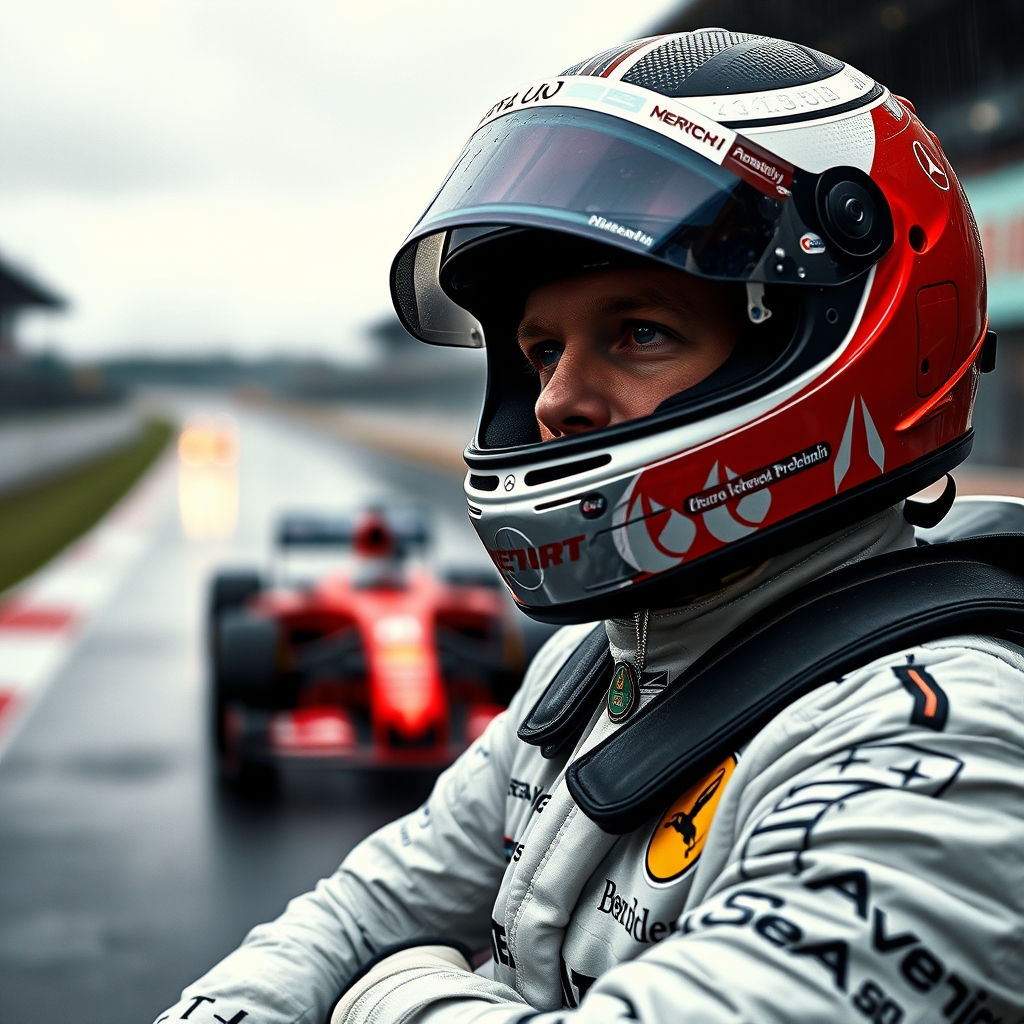
On a damp January morning at Silverstone, 20‑year‑old Kimi Antonelli felt something click in the Mercedes cockpit that had eluded him in 2025. "Just a few laps in the wet, I was calmer, more relaxed and suddenly the car felt like an extension of me," the Italian driver told BBC Sport. That moment, he says, marked the start of a mental transformation that would power him to an 81‑point lead over teammate George Russell after 14 Grand Prix.
Antonelli’s rise is not merely a personal story; it mirrors a broader shift in Formula 1 where data‑driven automation and advanced simulation are redefining driver development. Mercedes’ factory floor now runs a cloud‑based telemetry pipeline that ingests 30 gigabytes of sensor data per race, feeding it into AI models that predict optimal set‑ups within minutes. The same technology that fine‑tuned the car’s aerodynamics also offers drivers real‑time feedback on braking points, throttle application and even psychological stress markers.
Last season, Antonelli described himself as "tense" and unable to extract the car’s potential. This year, the combination of a more forgiving car platform and a suite of AI‑assisted coaching tools helped him shed that tension. Virtual reality simulators, powered by machine‑learning‑generated track conditions, let him rehearse wet‑weather laps at Silverstone long before the real‑world session. The result was a driver who could translate a brief wet‑track feel into a confident, race‑ready mindset.
The impact extends beyond the cockpit. Media outlets covering F1 have adopted automation to keep pace with the sport’s data avalanche. Automated video‑editing pipelines now splice race footage with telemetry spikes, creating highlight reels in seconds rather than hours. This workflow transformation means fans receive instant, data‑rich recaps, while journalists can focus on analysis rather than manual clipping.
Antonelli’s breakthrough also reshapes the competitive landscape. Mercedes entered the 2026 regulatory era with a clear aerodynamic advantage, yet it was the Briton George Russell who entered the season as the favorite. Antonelli’s rapid adaptation forced a re‑evaluation of driver hierarchies, demonstrating that technology‑enhanced learning can compress the traditional development timeline.
When a big crash in FP3 threatened his qualifying, Antonelli recalled the team’s swift response: "The mechanics performed a miracle, and the car was still quick." Behind that miracle lay an automated diagnostics system that identified damaged components within seconds, guiding the pit crew’s repairs and allowing the driver back on track with minimal loss of performance.
Looking ahead, the fusion of AI, telemetry and media automation promises to deepen the sport’s analytical layer. Teams are experimenting with predictive fatigue models that alert drivers when mental strain peaks, while broadcasters trial AI‑generated commentary that highlights strategic inflection points in real time. For Antonelli, these tools are already part of his daily routine, turning raw data into a personal performance map.
Ultimately, Antonelli’s story illustrates how technology adoption is reshaping not just cars, but careers. A single wet lap, amplified by AI‑driven insight, turned a nervous newcomer into a championship contender, and it signals a future where automation accelerates talent, media, and fan engagement alike.




















