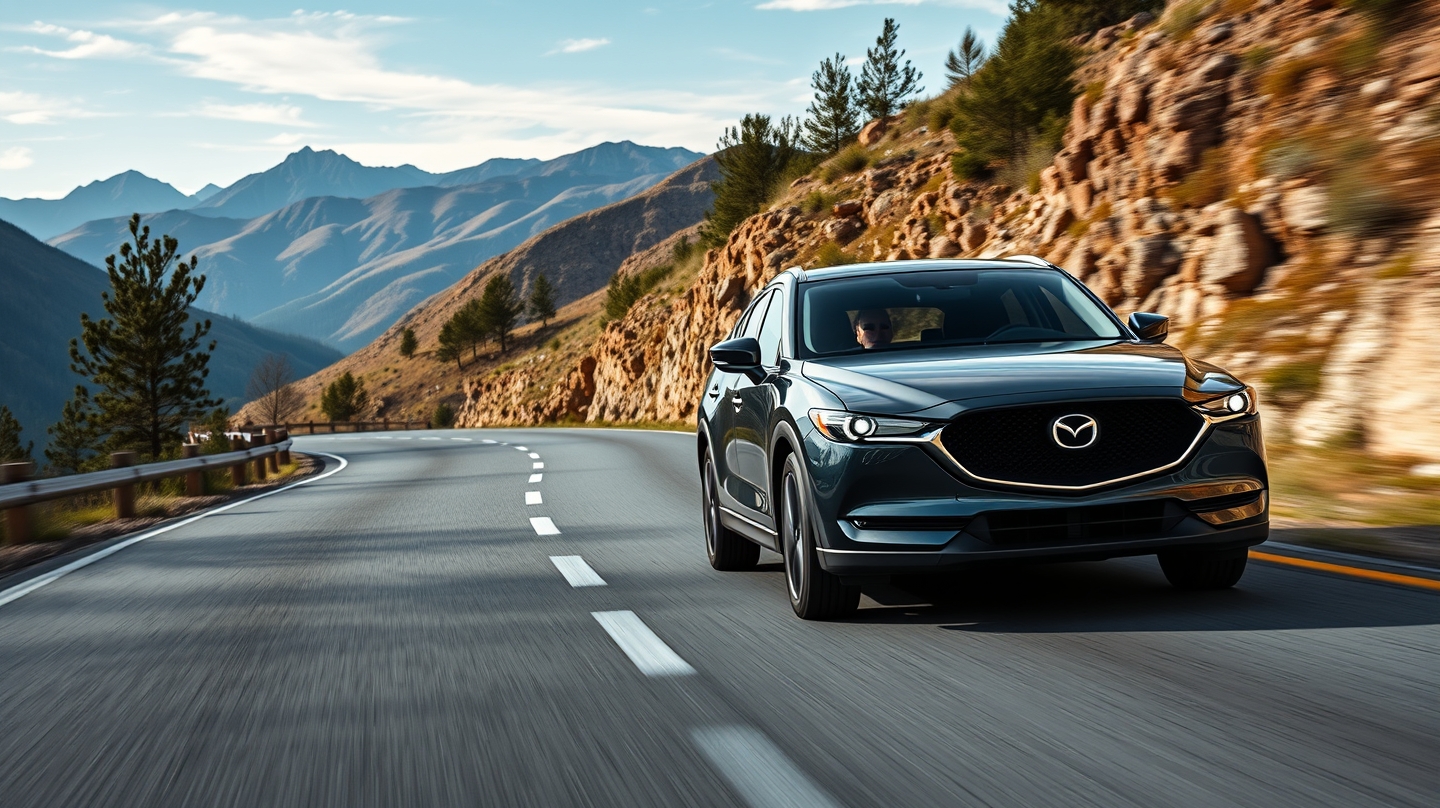
When Mazda unveiled the 2026 CX‑5, it did more than add a fresh grille; it introduced a vehicle that feels almost pre‑emptive, merging safety‑first engineering with a driving feel that many enthusiasts compare to the split‑second coordination seen in professional sports. The tension between raw driver input and automated assistance is resolved through a layered system that watches steering angle, throttle position, and road conditions in real time, then subtly adjusts torque and braking to keep the car steady.
At the heart of this approach is the i‑Activ AWD® system, now standard across the CX‑5 lineup. Unlike traditional all‑wheel‑drive setups that react after a slip, i‑Activ AWD continuously evaluates sensor data and redistributes torque before loss of traction occurs. The result is a chassis that remains composed on wet pavement, snow‑covered back roads, or sudden lane changes, reducing the need for abrupt driver corrections.
Complementing the drivetrain is Mazda’s G‑Vectoring Control Plus (GVC+). By modestly altering engine torque and applying light braking during cornering, GVC+ improves tire contact and steadies the vehicle’s trajectory. The effect is a smoother, more predictable handling feel that rivals the coordinated movements of a basketball team executing a fast break—each player (or system) knows its role before the play unfolds.
Structural integrity backs the software. The 2026 CX‑5 uses a reinforced chassis built from high‑tensile steel, a material choice that both disperses collision energy and minimizes flex during spirited driving. This dual benefit illustrates how Mazda treats safety and performance not as separate goals but as interlocking components of a single engineering philosophy.
The i‑Activsense® suite expands the vehicle’s awareness further. Standard features such as adaptive cruise control and traffic‑sign recognition now sit alongside optional lane‑change assist and rear‑traffic detection that feed into emergency‑braking logic. Mazda has tuned these systems to intervene gently, preserving driver confidence without the startling alerts common in some competitors.
Beyond the showroom, the CX‑5’s integration of hardware and software mirrors a broader shift in the automotive industry toward automation‑driven workflow transformation. Manufacturers are moving from isolated safety features to holistic platforms where data from sensors, vehicle dynamics, and cloud services converge to create a seamless user experience. This mirrors trends in media infrastructure, where automation now curates content delivery, personalizes advertising, and streamlines production pipelines. Just as a newsroom uses AI to sort stories and allocate resources, Mazda’s vehicle uses real‑time analytics to allocate torque and braking effort.
For consumers, the practical implication is clearer: fewer sudden corrections mean lower drivetrain wear, potentially extending service intervals and resale value. For the industry, Mazda’s model demonstrates that integrating advanced driver assistance systems (ADAS) into the core driving feel can differentiate a brand without relying on overtly aggressive marketing claims.
In a segment crowded with compact SUVs, the CX‑5’s strategy of embedding safety into the driving experience sets a benchmark. It suggests that future vehicles will be judged not only on raw power or fuel economy but on how well they blend predictive automation with human intent—a balance that could redefine consumer expectations across the automotive market.




















