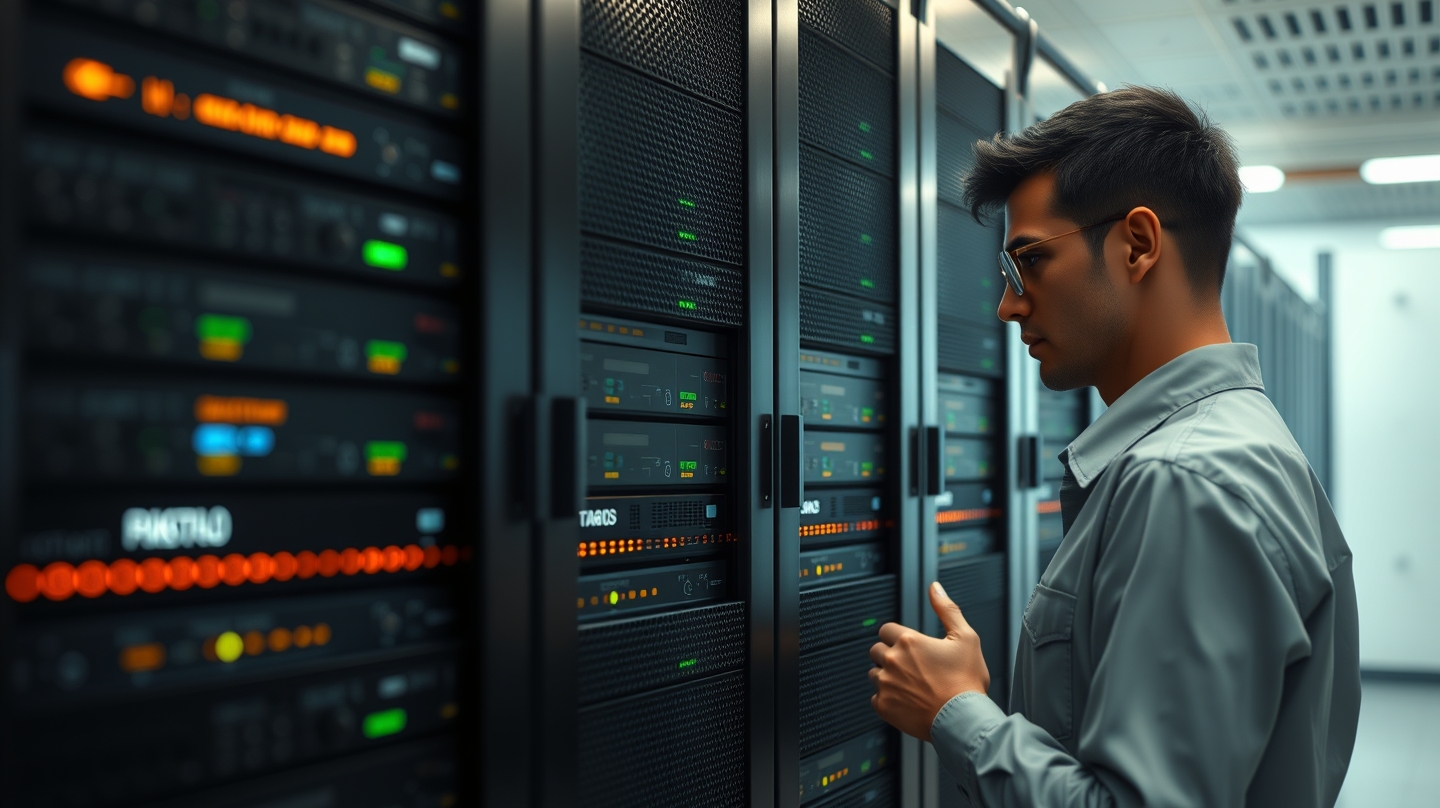
Meta’s boardroom is reportedly weighing a deal that could see the social‑media giant lease billions of dollars of AI‑compute capacity to Anthropic, the San Francisco‑based chatbot startup founded by former OpenAI researchers. The New York Times says the agreement could be worth as much as $10 billion over two years, paid in monthly installments and featuring an early‑exit clause for either side.
At first glance the numbers look modest compared with the $45 billion three‑year contract Anthropic signed with Elon Musk’s SpaceX, but the structure of the Meta deal signals a shift in how AI firms acquire the massive processing power needed for today’s large‑language models. Rather than building its own data centers, Anthropic would rent Meta’s surplus infrastructure—servers that sit idle after Meta’s internal AI projects consume only a fraction of the company’s $145 billion annual AI‑related capex.
Why does this matter? For Meta, the arrangement offers a new revenue line that could soften investor concerns about a spending binge that has more than doubled year over year. For Anthropic, the lease provides a predictable, scalable compute source without the upfront capital outlay of constructing or leasing new facilities. In a market where compute scarcity has become a bottleneck, the ability to tap an existing megastructure could keep Anthropic’s model development on schedule and preserve its competitive edge against rivals backed by Google, Microsoft and Amazon.
The deal also highlights a broader industry trend: the emergence of “compute‑as‑a‑service” offerings from the very companies that own the hardware. Google and Microsoft have already begun marketing cloud‑based AI accelerators, but a direct lease between two AI players—one a platform owner, the other a pure‑play startup—adds a layer of commercial nuance. It suggests that excess capacity, once a cost‑center, can be monetized, potentially reshaping the economics of AI research.
From a structural perspective, the agreement introduces a hybrid model that blends traditional cloud‑service contracts with the long‑term, volume‑discounted pricing typical of wholesale data‑center leases. The early‑exit clause mirrors the SpaceX deal, giving both parties flexibility if model performance or market conditions shift dramatically. This flexibility could become a template for future AI‑compute contracts, especially as venture capitalists demand clearer paths to profitability.
Real‑world implications are already evident. Anthropic’s Claude series of chatbots relies on continuous model training, a process that can consume thousands of GPU hours per week. By tapping Meta’s racks, Anthropic can maintain its training cadence while allocating capital to talent acquisition and product rollout. Meanwhile, Meta can report a new line‑item in its earnings—leasing revenue—that may help justify its $145 billion AI spend to a skeptical Wall Street.
The partnership also raises questions about competitive dynamics. Meta, historically a content and advertising platform, has been building frontier AI models that lagged behind OpenAI and Google’s offerings. A lease to Anthropic could accelerate Meta’s own model development through shared insights, but it also places a direct competitor in the same physical infrastructure. The balance between cooperation and rivalry will likely influence future strategic decisions for both firms.
Investors are watching the compute race closely. The construction boom for AI‑focused data centers has inflated valuations for hardware manufacturers and real‑estate developers alike, yet the return on such massive capex remains uncertain. If Meta can successfully monetize idle servers, it may set a precedent that eases the pressure on AI‑heavy companies to justify every dollar of infrastructure spend.
In sum, the reported Meta‑Anthropic compute lease is more than a financial footnote; it reflects a maturing AI ecosystem where access to raw processing power is becoming a tradable commodity. The deal could usher in a wave of similar agreements, reshape revenue models for tech giants, and give startups a more affordable path to the compute they need to innovate.




















