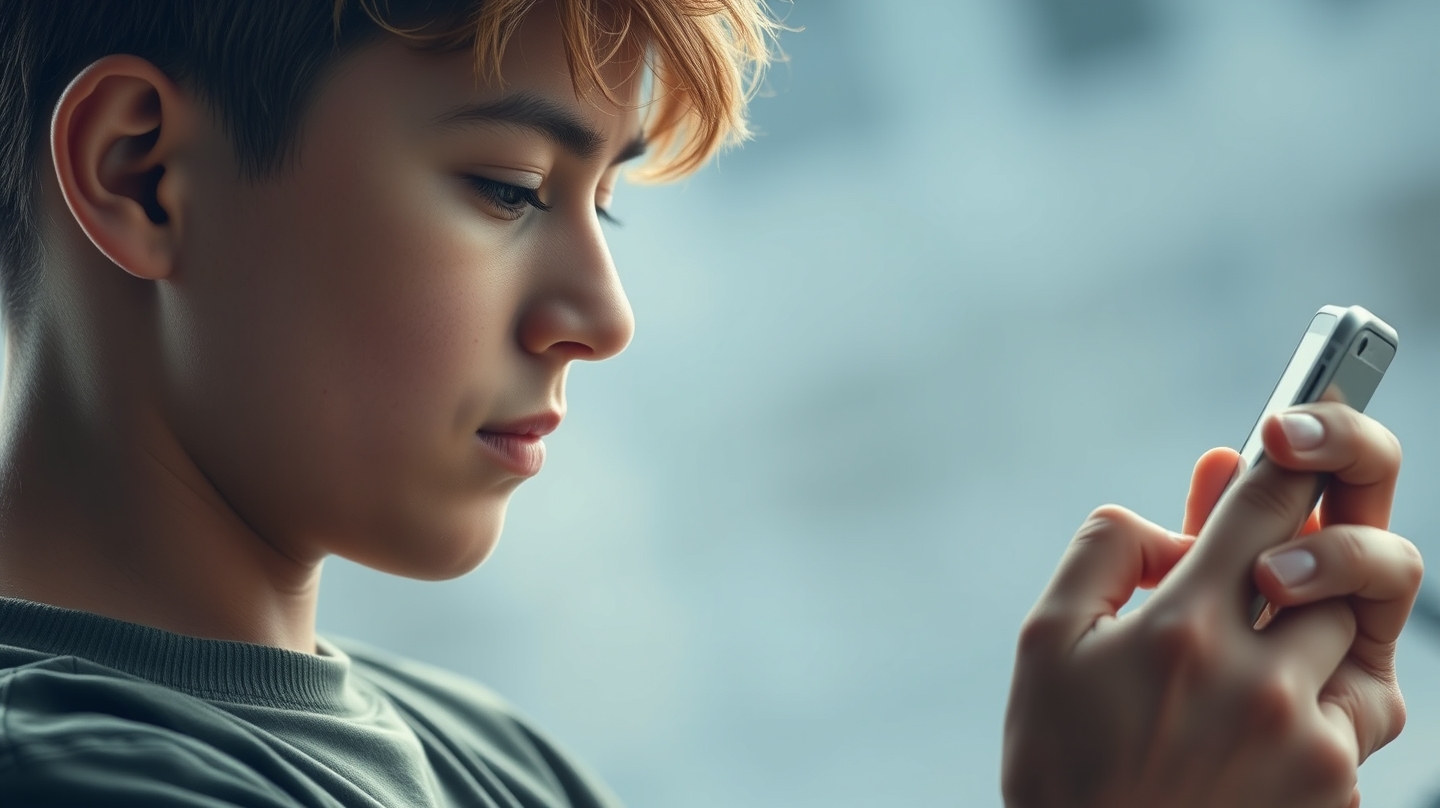
The UK government has announced plans to ban under-16s from accessing social media platforms, including TikTok, Snapchat, and Instagram, in a bid to protect young people from online harms. The ban, which is set to come into force in spring 2027, aims to prevent children from being exposed to inappropriate content and to reduce the risk of online grooming and bullying.
The move has been welcomed by campaigners, who have long argued that social media companies have failed to do enough to protect young users. However, tech companies have warned that a blanket ban could drive children towards more unsafe online environments. YouTube, Meta, and Snapchat have all expressed concerns about the ban, with YouTube arguing that it has many protections in place for teens and that a ban could push kids towards less safe services.
The ban is part of a broader effort by governments around the world to regulate social media and protect young people from online harms. It follows growing concerns about the impact of social media on mental health, as well as the spread of misinformation and online abuse. The UK government has said that it will also look at restrictions on some functionalities on social media, such as infinite scroll and curfews, for 16 and 17-year-olds.
The ban has significant implications for the tech industry, which has long argued that it can self-regulate and protect young users. However, the UK government's move suggests that it is no longer willing to rely on tech companies to police themselves. The ban also raises questions about the role of social media in modern life and whether it is appropriate for young people to be using these platforms at all.
As the UK government moves to ban under-16s from social media, it is clear that the landscape of online regulation is changing. The move is likely to have far-reaching consequences for the tech industry and for young people, and it will be important to monitor the impact of the ban in the coming months and years.




















