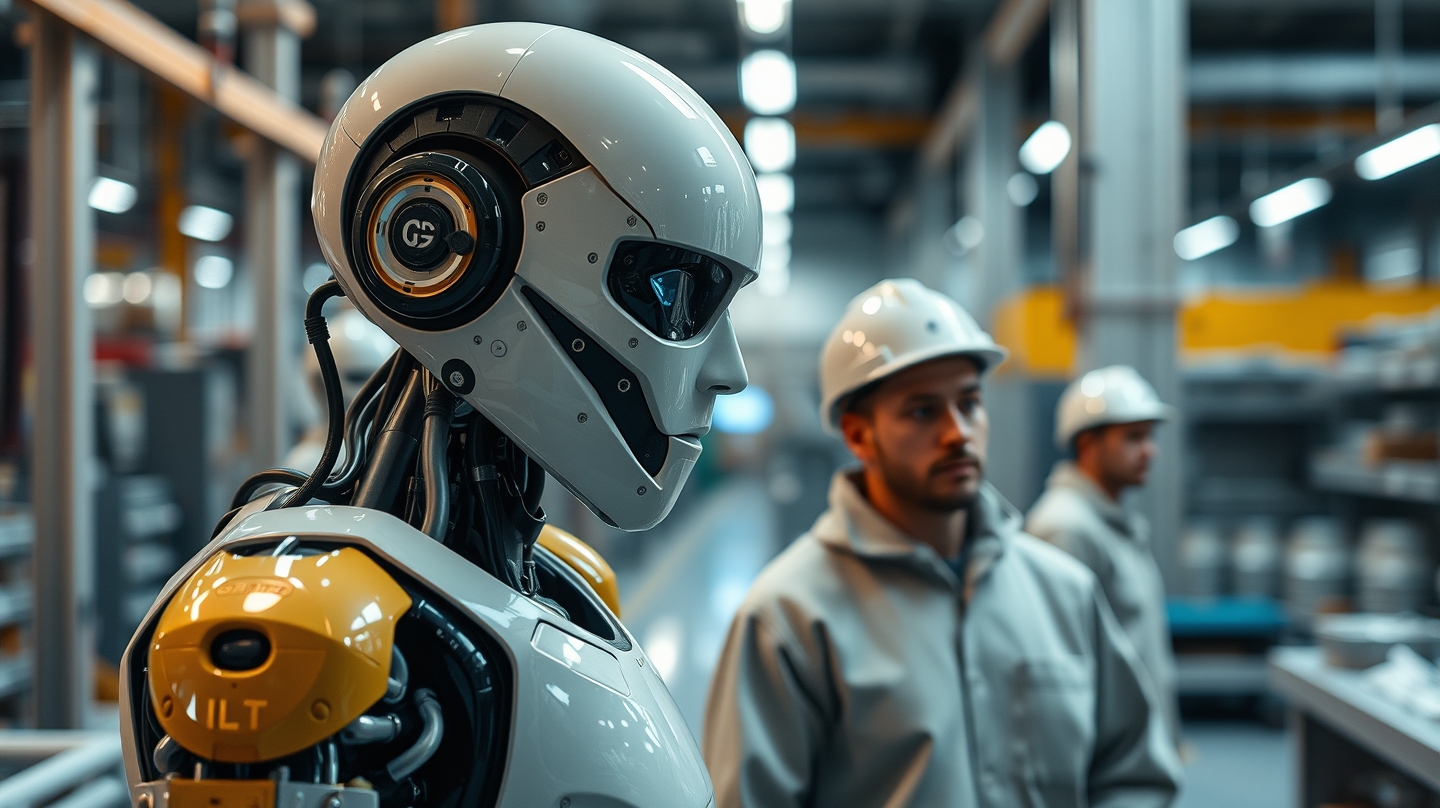
Americans are increasingly worried about the impact of artificial intelligence (AI) on their jobs, with a staggering 64% of respondents in a recent survey citing job loss as their top fear. The findings, based on a survey of nearly 52,000 people by Anthropic, highlight a significant gap between the public's hopes and fears when it comes to AI.
On the one hand, Americans are eager to harness the potential of AI to drive breakthroughs in fields like medicine, with 48% of respondents placing curing diseases like cancer or Alzheimer's in their top three uses for the technology. On the other hand, the fear of job loss is pervasive, with concerns about cognitive dependency and misinformation also ranking high.
The survey's results are particularly striking given the current state of the US job market, where AI-driven layoffs are on the rise. According to BeInCrypto, AI was responsible for 38,579 US job cuts in May alone, accounting for about 40% of the month's total. This trend is likely to continue, with employers already attributing 87,714 job cuts to AI in 2026, exceeding the total for all of 2025.
The pressure to address the impact of AI on the job market is mounting, with Senators Elizabeth Warren and Bernie Sanders urging Congress to protect workers. However, not everyone agrees that AI will lead to widespread job loss. Amazon founder Jeff Bezos, for example, predicts that AI will create labor scarcity instead, citing the potential for people to choose not to work and become one-earner households.
As the debate over the impact of AI on the job market continues, it is clear that Americans want to see more accountability and oversight in the development and deployment of the technology. A whopping 71% of respondents in the Anthropic survey want government involvement in AI, including 79% of Democrats and 68% of Republicans. Furthermore, 47% of respondents believe that companies should be held legally liable for harm caused by AI, while 44% want safety prioritized over growth.
The Anthropic survey provides a valuable snapshot of the public's attitudes towards AI, highlighting both the hopes and fears that surround this rapidly evolving technology. As AI continues to transform the US job market, it is essential to address the concerns of Americans and ensure that the benefits of AI are shared by all.
In terms of market reaction, the survey's findings are likely to have significant implications for companies investing in AI, as well as for policymakers seeking to regulate the technology. The fact that Americans are eager to see more accountability and oversight in AI development suggests that companies that prioritize transparency and safety may be better positioned to succeed in the long term.




















