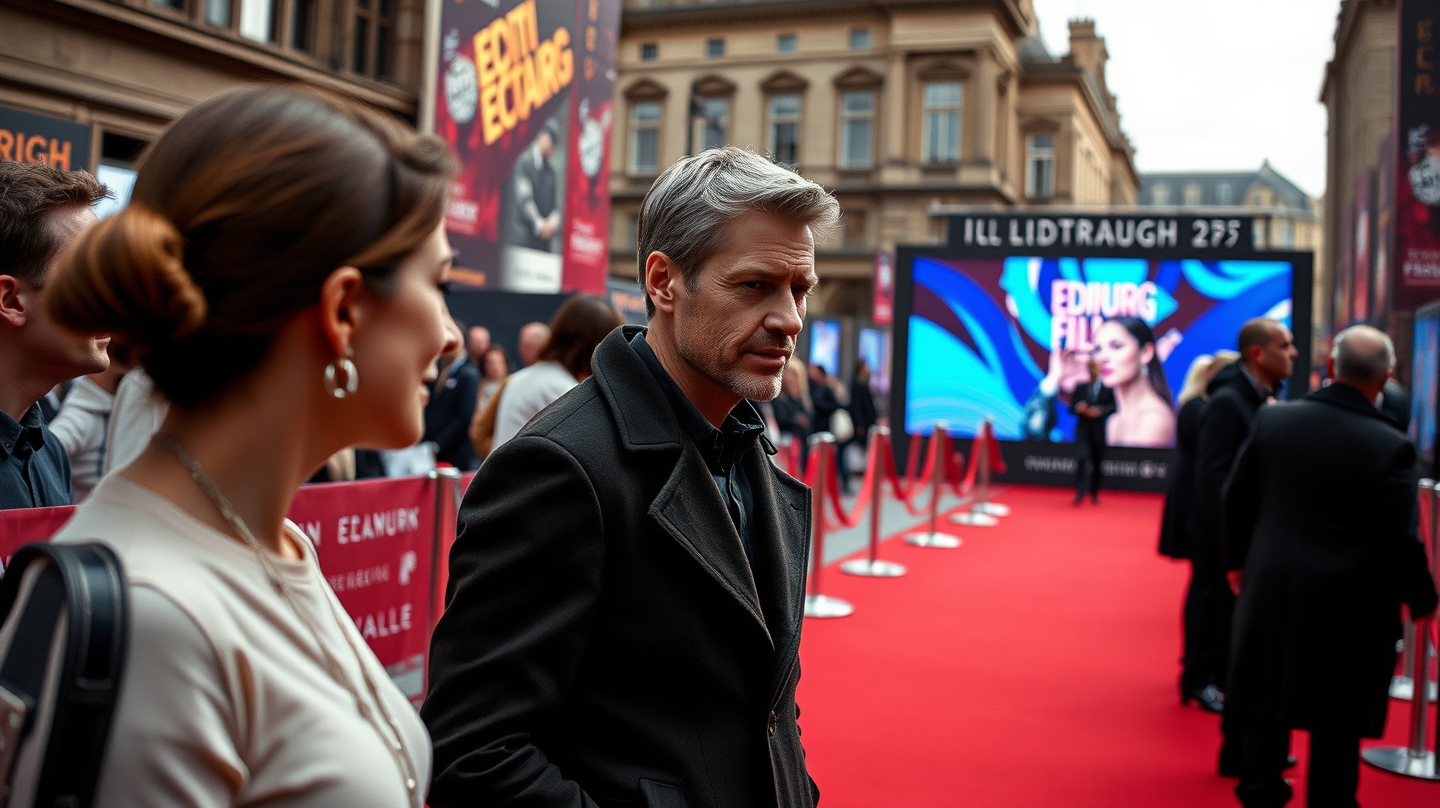
When the curtain rose on the 79th Edinburgh International Film Festival (EIFF) on Thursday, the buzz wasn’t limited to the return of "Trainspotting"—it also centered on a quiet, technology‑driven transformation that could redefine how independent films find audiences.
Under the stewardship of CEO Paul Ridd and festival producer Emma Boa, the festival’s third year of reboot has added a suite of automation tools to its submission, programming and industry‑market workflows. The shift mirrors a broader industry move from paper‑heavy processes to digital platforms, allowing curators to sift through thousands of entries faster and giving filmmakers a clearer path to funding.
EIFF’s 2026 lineup showcases 38 new feature presentations, including 21 world premieres such as Abdolreza Kahani’s "Empty Heaven" and William Scoular’s "Northbound" starring Bruce Dern. While the artistic slate draws the usual crowds, the festival’s new digital infrastructure is already making an impact. A cloud‑based scheduling system, adopted last summer, reduced program‑building time by 30 percent, according to internal reports, freeing staff to focus on audience engagement and curation.
One tangible benefit of the automation is the expanded cash‑prize structure. The audience‑voted £50,000 Sean Connery Prize for Feature Filmmaking Excellence now incorporates an AI‑assisted audience‑feedback loop that aggregates real‑time reactions from both in‑person attendees and the newly launched virtual lounge. This data‑driven approach aims to surface emerging talent that might otherwise be overlooked in a traditional jury setting.
For independent filmmakers, the digital overhaul means lower barriers to entry. The festival’s online submission portal now uses automated metadata tagging, which speeds up eligibility checks and reduces manual errors. As a result, the number of submissions rose from 12,000 in 2024 to 16,500 last year, a 37.5 percent increase that reflects both growing interest and the ease of digital entry.
Beyond logistics, the digital shift influences audience behavior. The newly introduced Variety Lounge, the first of its kind in the U.K., streams live Q&A sessions and panel discussions to a global audience via a secure streaming platform. This hybrid model expands the festival’s reach beyond Edinburgh’s compact footprint, allowing cinephiles in remote regions to participate in real time.
Industry professionals are also feeling the ripple effects. The number of industry events doubled from 13 to 25, many of which now feature virtual matchmaking tools that pair filmmakers with potential distributors using algorithmic recommendations. Such tools echo a larger trend where festivals act as digital marketplaces, accelerating financing cycles for low‑budget productions.
Critics have noted that while the festival’s heritage remains intact—Scottish bookends like Louis Paxton’s "The Incomer" and Louise Lockwood’s documentary "Bel" anchor the program—the embrace of technology signals a strategic pivot. "Our goal is to preserve the festival’s historic soul while equipping it for a digital future," Ridd said in a press briefing, emphasizing that automation is a means to amplify, not replace, human judgment.
The implications extend beyond Edinburgh. As more festivals adopt similar workflows, the independent cinema ecosystem could see a more level playing field, where talent from smaller markets gains visibility through data‑driven curation and virtual networking. For audiences, the blend of physical screenings and online access promises a richer, more inclusive festival experience.
In a year that also marks the 30th anniversary of "Trainspotting," EIFF demonstrates that tradition and innovation can coexist. The festival’s digital investments are not a gimmick; they are a response to the evolving ways creators and consumers interact with film, and they may set a template for festivals worldwide seeking sustainability in a fast‑changing media landscape.




















