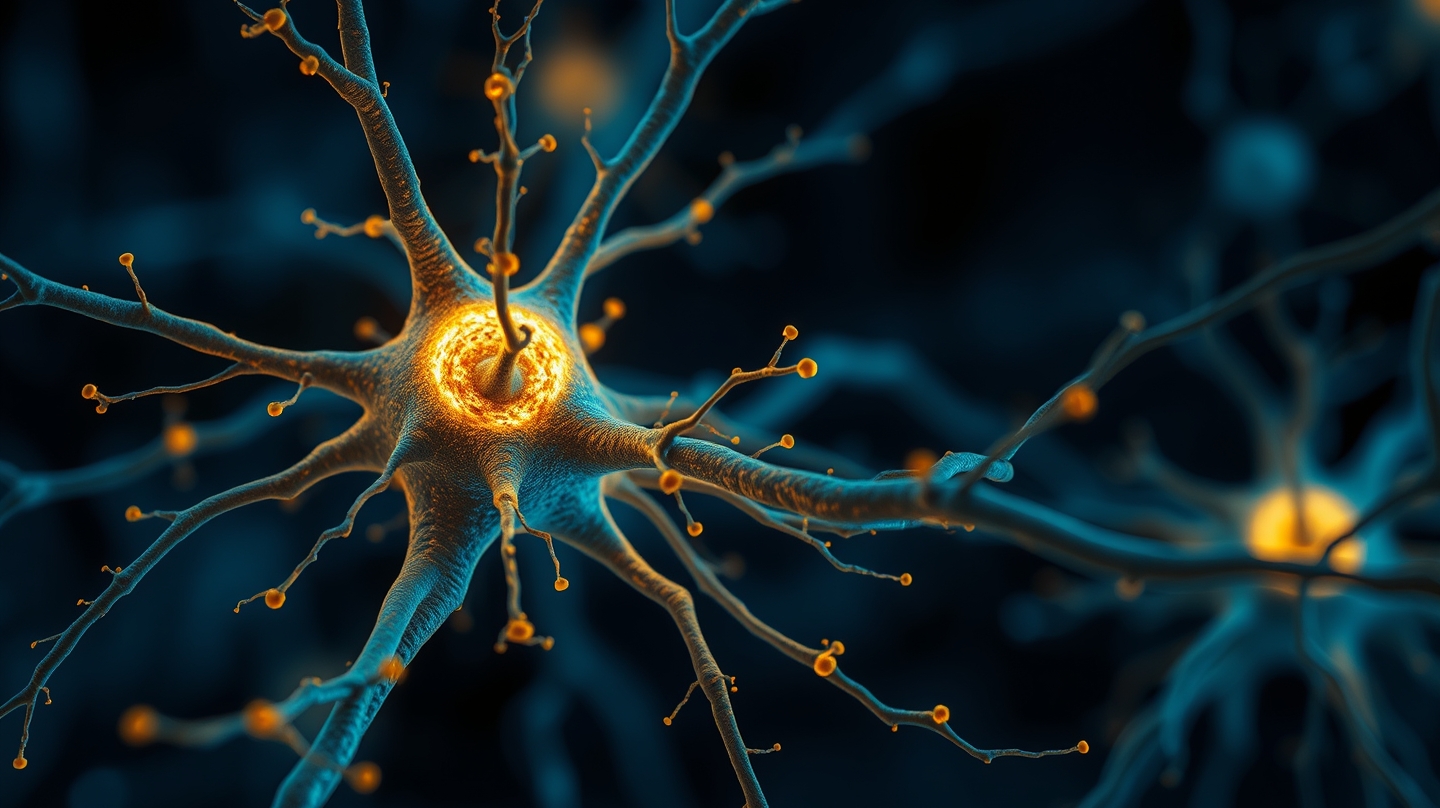
When a misfolded protein slips out of a dying brain cell, it usually disappears into the surrounding tissue. In Parkinson’s disease, however, that rogue molecule—α‑synuclein—appears to find a hidden passage into healthy neurons, fueling a cascade of loss that clinicians have struggled to halt. Yale School of Medicine scientists now say they have identified the two molecular doorways that enable this spread, and they have shown that blocking them can dramatically slow disease progression in mice.
The discovery emerged from a high‑throughput screen that tested more than 4,400 engineered cell lines, each displaying a different surface protein. Using automated liquid‑handling robots and AI‑driven image analysis, the team rapidly assessed whether fluorescently tagged α‑synuclein would bind to any of the candidates. Only 16 proteins showed any interaction, and two of those—metabotropic glutamate receptor 4 (mGluR4) and neuronal proliferation differentiation and control protein 1 (NPDC1)—were abundant on dopamine‑producing neurons in the substantia nigra, the brain region most devastated by Parkinson’s.
“If we understood how it gets into neurons, we could perhaps block or slow down the progression of the disease,” said senior author Stephen Strittmatter, MD, PhD, Vincent Coates Professor of Neurology at Yale. To test causality, the researchers used CRISPR‑based gene editing to knock out each protein in separate mouse cohorts. When exposed to α‑synuclein aggregates, mice lacking functional mGluR4 or NPDC1 displayed a 70 % reduction in neuronal loss and markedly fewer motor deficits compared with control animals.
The implications extend beyond a single protein target. By demonstrating that a precise cellular mechanism underlies the inter‑neuronal spread of pathology, the work reshapes how drug developers approach neurodegeneration. Traditional pipelines have focused on symptomatic relief or on broadly reducing α‑synuclein production. The Yale findings suggest a more surgical strategy: designing small molecules or biologics that block the interaction between α‑synuclein and its transport proteins.
Such a strategy dovetails with the current wave of automation in biotech research. The initial screen relied on robotic plate handlers, multiplexed fluorescence readers, and machine‑learning classifiers to sort hits from noise. Companies that specialize in automated target validation can now incorporate mGluR4 and NPDC1 into their discovery platforms, accelerating the path from bench to clinic. Moreover, the data set—publicly deposited alongside the Nature Communications paper—offers a template for other labs to apply similar pipelines to Alzheimer’s, Huntington’s, or even viral entry mechanisms.
From a public‑health perspective, the stakes are high. The Parkinson’s Foundation estimates that more than 1.1 million Americans live with the disease, and roughly 90,000 new diagnoses occur each year. Current therapies address tremor, rigidity, and bradykinesia but do not alter the underlying neurodegeneration. A therapy that interrupts α‑synuclein spread could shift the clinical paradigm from symptom management to disease modification, extending quality‑adjusted life years for millions.
Regulatory agencies are also watching the trend toward mechanism‑based interventions. The FDA’s recent guidance on “targeted neurodegenerative therapies” emphasizes robust biomarker validation and early‑phase safety data. Blocking mGluR4 or NPDC1 could be monitored with PET ligands that track α‑synuclein burden, providing a clear readout for trial success.
While mouse models are encouraging, translation to humans will require careful pharmacokinetic engineering and safety profiling. Both mGluR4 and NPDC1 have physiological roles in neurotransmission and neuronal development, so off‑target effects must be minimized. Nonetheless, the Yale study supplies a concrete molecular map that pharmaceutical and biotech firms can now navigate with automated assay platforms, AI‑driven compound design, and cloud‑based data sharing.
In short, the work bridges a gap between basic neuroscience and the technology‑driven automation that is reshaping drug discovery. By exposing the exact proteins that ferry toxic α‑synuclein across synapses, Yale researchers have opened a new front in the battle against Parkinson’s disease—one that could see the next generation of therapies built on precise, data‑rich pipelines rather than broad‑stroke symptom control.




















