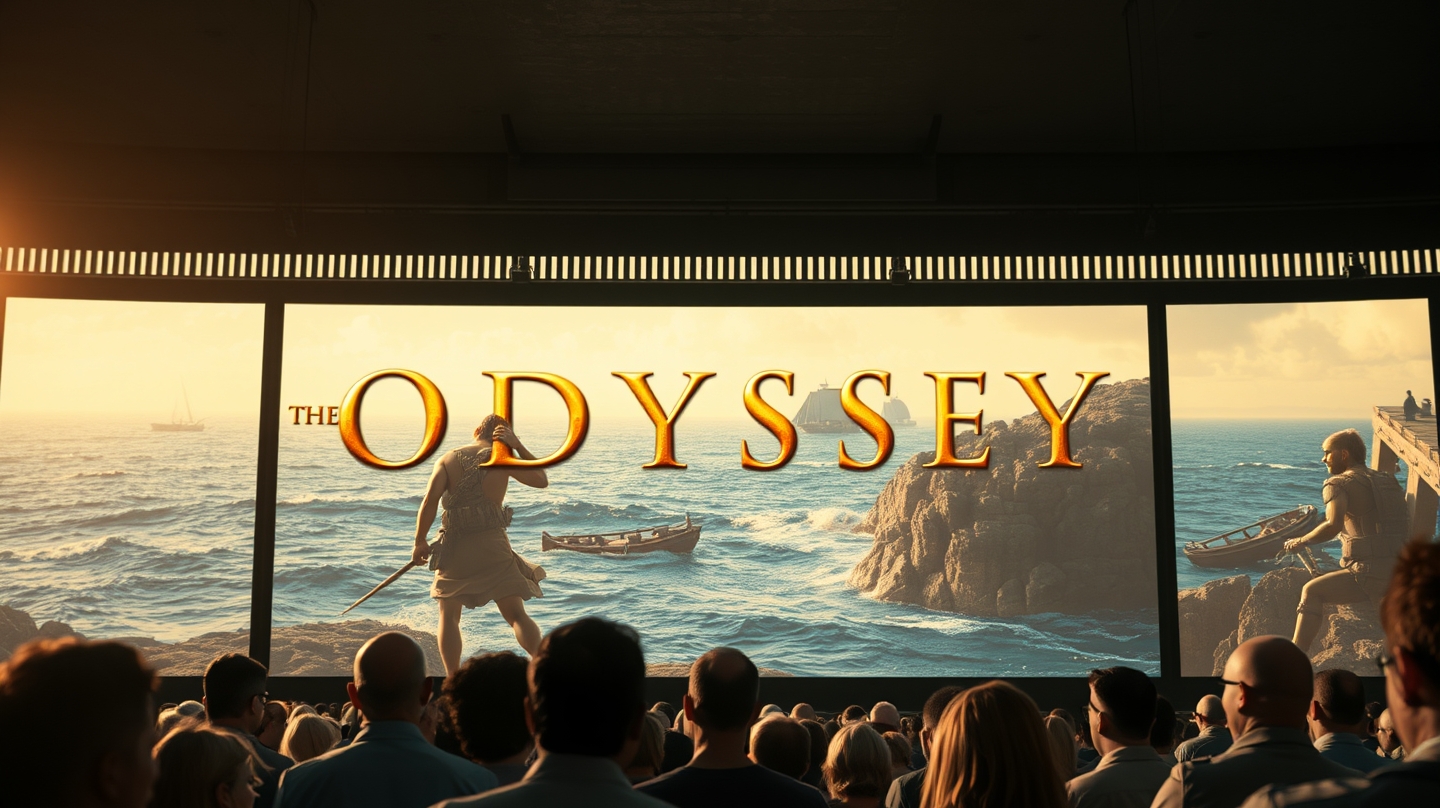
When Universal’s new epic The Odyssey opened in the United Kingdom and Ireland, it did more than claim the top spot; it revealed how data‑driven scheduling and premium‑format technology are altering the economics of cinema. The film’s debut weekend generated £12.5 million (≈$16.8 million), a figure that not only eclipsed Christopher Nolan’s Oppenheimer in the market but also set new benchmarks for large‑format screenings.
The standout performance came from the BFI IMAX, the nation’s largest screen, which recorded a three‑day opening of $294,249—its highest ever. That single venue out‑earned the previous record held by Star Wars: The Last Jedi in 2017. The venue’s 94 % occupancy and 173 consecutive sold‑out showtimes illustrate how automation in seat‑allocation, dynamic pricing, and real‑time audience analytics can maximize capacity without manual intervention.
These numbers matter because they validate a broader industry shift toward technology‑heavy exhibition. Premium large formats such as IMAX and Dolby Cinema now command higher ticket prices and attract audiences seeking an immersive experience that streaming cannot replicate. Studios are responding by front‑loading releases on these screens, and theaters are investing in automation tools that streamline ticketing, concession inventory, and even cleaning cycles, reducing labor costs while preserving the premium feel.
Beyond the headline figures, the ripple effect touches several stakeholders. Distributors like Universal are leveraging granular box‑office data to fine‑tune release windows, allocating more screens to titles that demonstrate strong premium‑format uptake. Meanwhile, independent exhibitors are pressured to adopt similar technologies or risk losing market share to chains that can offer a seamless, data‑enhanced experience.
Structurally, the record‑setting Friday opening for The Odyssey underscores the importance of opening‑day momentum in a fragmented media landscape. The film’s five‑week cumulative gross of $60.6 million demonstrates how a strong premium debut can sustain a longer theatrical tail, especially when automated marketing pushes targeted promotions to local audiences based on real‑time ticket sales.
Real‑world implications are already visible. The BFI IMAX’s success has prompted other large venues across Europe to upgrade projection and seating automation systems, aiming to replicate the occupancy rates seen in London. Additionally, studios are experimenting with AI‑driven forecasting models that predict which titles will benefit most from premium‑format releases, influencing budgeting and marketing allocations.
In the broader context, the box‑office landscape is aligning with trends seen in other media sectors: automation, data analytics, and technology adoption are reshaping distribution pipelines. As cinema continues to compete with on‑demand streaming, the ability to deliver a differentiated, technologically sophisticated experience may become the decisive factor for audience attendance.
Looking ahead, the upcoming slate—including animated family titles like Chickenhare And The Secret Of The Groundhog and restored classics such as Andrei Tarkovsky’s Nostalghia—will test whether the current technology‑driven momentum can be sustained across genres. If theaters continue to embed automation into their core operations, the industry could see a more resilient box‑office model that leverages premium formats as a stable revenue pillar.




















