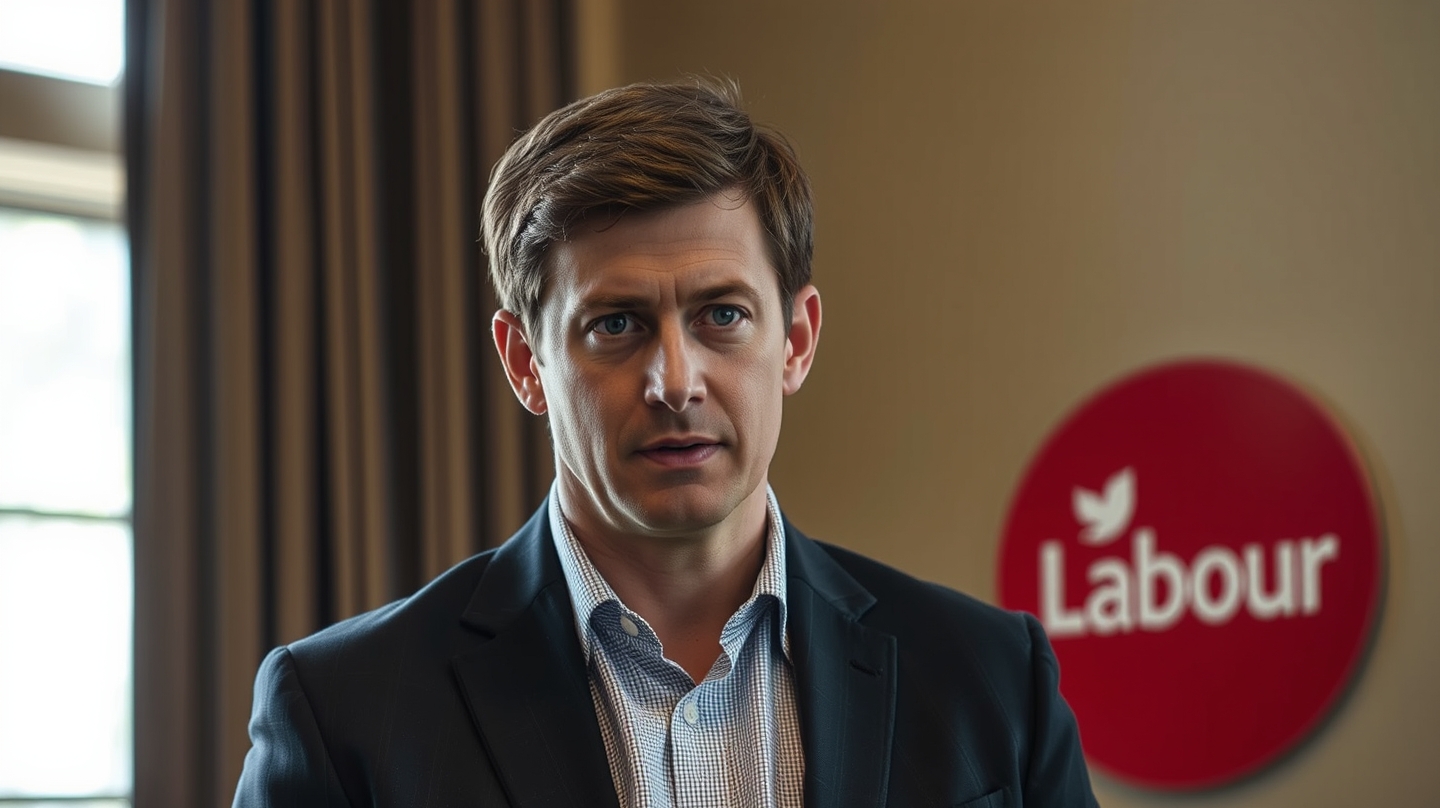
Andy Burnham's victory in the Makerfield by-election has sparked speculation about his potential policies if he were to become the leader of the Labour Party. During his campaign, Burnham outlined a number of policy ideas, including bringing water, energy, and transport under stronger public control, reforming social care, and implementing a big council home expansion.
Burnham has repeatedly advocated for public ownership of companies like Thames Water, citing the success of the Greater Manchester bus network as a model. He has also suggested replacing inheritance tax with a 'national care levy' to fund social care reform. However, the cost of implementing these policies is still unclear, with estimates ranging from £7bn to £17bn for social care reform alone.
Burnham's commitment to Labour's manifesto promise not to increase the main rates of income tax, VAT, or National Insurance may limit his ability to raise significant sums from tax. According to Helen Miller, director at the Institute for Fiscal Studies, 'whoever is the prime minister, they will find that, within the fiscal rules, there is very limited scope to increase spending on a particular area without cutting back spending elsewhere or raising taxes.'
Despite the uncertainty surrounding the cost of Burnham's policies, his victory in the Makerfield by-election has given him a significant boost in his bid for the Labour leadership. As the party looks to the future, Burnham's policies are likely to be a major factor in the upcoming leadership contest.
In terms of technology adoption and industry transformation, Burnham's policies may have significant implications. For example, his commitment to public ownership of key utilities could lead to increased investment in renewable energy and reduced carbon emissions. Additionally, his proposed social care reform could lead to increased adoption of digital health technologies and more efficient use of resources.
However, the impact of Burnham's policies on automation-driven media infrastructure is less clear. Some argue that increased public ownership of key utilities could lead to reduced investment in automation and digital transformation, while others argue that it could lead to increased investment in these areas as companies look to improve efficiency and reduce costs.




















