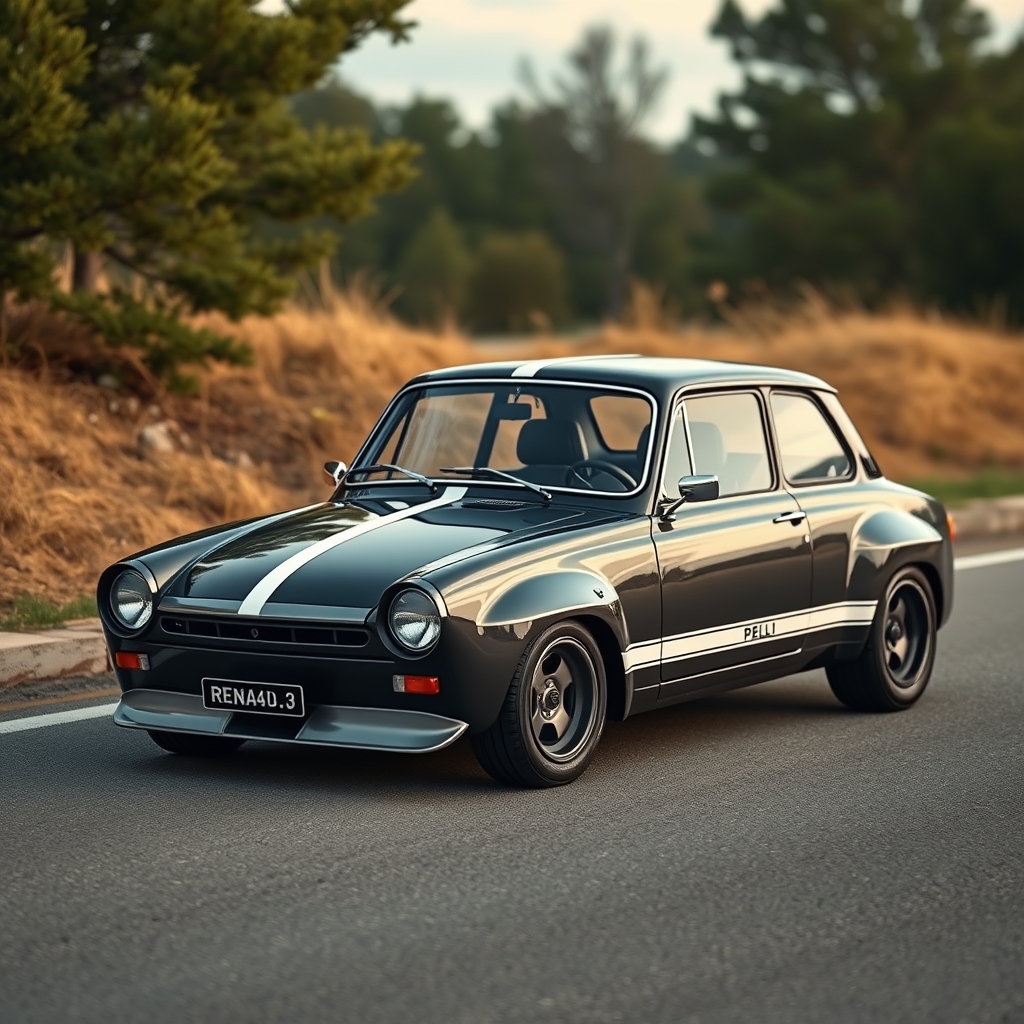
When the Renault 8 Gordini first hit the streets in 1964, its modest 95 hp rear‑engine layout gave everyday drivers a taste of motorsport. Over sixty years later, the French automaker unveiled a radically different creature at the Renault Carwalk event: a two‑seat, 270‑hp electric concept that keeps the original’s rear‑wheel‑drive spirit while looking like a modern rally car. The contrast between a 1960s economy sedan and a low‑slung EV is the very tension that fuels this story.
The concept, which will appear at the Paris Motor Show next month, measures 13.5 feet long and sits on 19‑inch front and 20‑inch rear wheels. Its silhouette is a study in proportion: widened fenders, a full‑width cowl vent and the iconic twin white racing stripes are all nods to the original, yet the body is unmistakably contemporary. Under the skin, a 270‑hp electric motor powers the rear wheels, preserving the rear‑engine, rear‑wheel‑drive layout that defined the 1964 Gordini.
Renault frames the vehicle as a “design exercise” meant to explore how heritage can be translated into the electric era. Inside, the cabin adopts a minimalist “café‑racer” aesthetic—brushed aluminum, Alcantara, and blue corduroy upholstery echo the bucket seats of the past, while round digital instruments mimic classic analog gauges. The result is a tactile bridge between nostalgia and cutting‑edge technology.
Why does this matter? First, it signals Renault’s broader heritage strategy, which already includes projects like the Renault 5 Diamant art car and the upcoming Renault 5 Turbo 3E. By placing historic models into an electric context, Renault is testing design language, packaging constraints and brand storytelling before committing to production. Second, the concept showcases how modern automotive design relies on automation and digital workflows. Engineers used generative‑design software to optimize the chassis for electric packaging, while AI‑assisted rendering accelerated the visual development that will populate media outlets and social feeds.
The ripple effects extend beyond Renault’s studios. The industry is witnessing a surge of legacy‑inspired EV concepts—from Ford’s Mustang Mach‑E to BMW’s i8 homage—indicating a market shift where brand heritage becomes a differentiator in a crowded electric landscape. Consumers, especially younger enthusiasts, are drawn to stories that blend authenticity with sustainability, a trend that automakers are leveraging to justify premium pricing.
From a media perspective, the rollout illustrates automation‑driven infrastructure in action. Press releases, high‑resolution renders and video teasers are generated through content‑management pipelines that employ natural‑language generation and automated tagging, ensuring rapid distribution across platforms like Google Discover. This not only boosts CTR by delivering timely, visually striking assets but also reinforces authority by providing consistent, fact‑checked information.
Real‑world implications are already visible. Renault plans to exhibit the 8 Gordini Concept in its upcoming Flins museum, turning the vehicle into a tangible case study for engineers and designers. Moreover, the electric powertrain’s 270 hp output suggests that future production models could adopt similar performance targets, potentially influencing the European EV market’s power‑to‑weight benchmarks.
In sum, the Renault 8 Gordini Concept is more than a nostalgic showcase; it is a testbed for how heritage, electric technology, and automated design processes intersect. As automakers grapple with the twin challenges of decarbonisation and brand relevance, the lessons learned from this concept could shape the next wave of EVs that honor the past while accelerating toward the future.




















