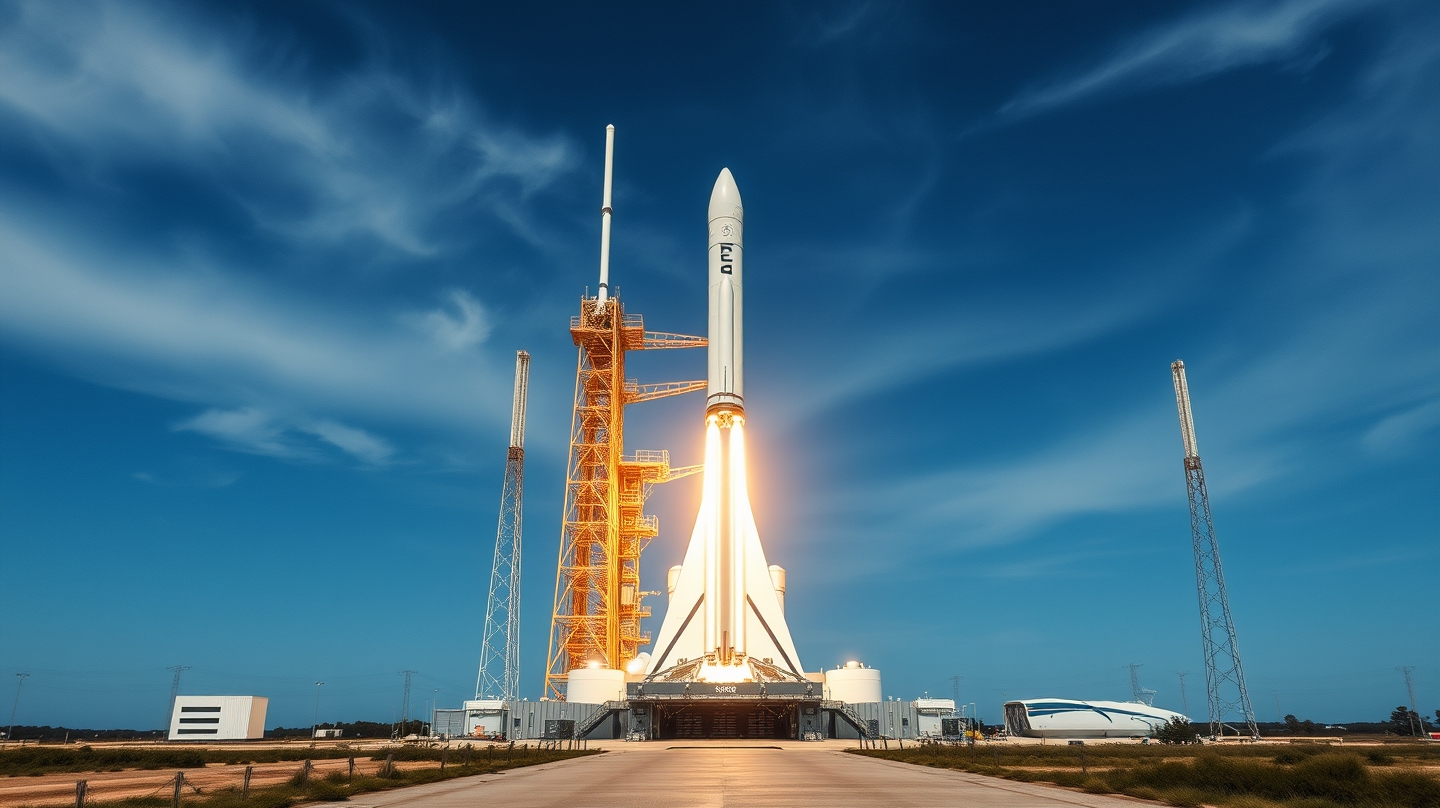
Wall Street’s optimism for SpaceX (NASDAQ: SPCX) feels paradoxical: the company’s shares have slipped since the June debut, yet analysts collectively rate the stock a Strong Buy. The tension between a widening public float and a bullish consensus creates a narrative that goes beyond simple price movement.
SpaceX listed at $135 per share, valuing the firm at roughly $1.8 trillion. By the close of the latest session the stock traded at $123, up more than 3% on the day. TipRanks aggregates 29 analysts, 23 of whom recommend a Buy, five Hold, and one Sell. Their 12‑month price target averages $243.81, suggesting almost 97 % upside from current levels.
The consensus rests on three pillars. First, Starlink’s expanding broadband footprint promises recurring revenue as the constellation reaches more than 500,000 users worldwide. Second, launch services continue to command premium rates, especially as NASA and commercial customers shift toward reusable rockets. Third, SpaceX’s recent $60 billion acquisition of the AI coding platform Cursor signals a strategic pivot toward artificial‑intelligence‑driven automation, a sector projected to reshape software development workflows.
Lock‑up expirations have added a structural layer to the price story. When insiders and early investors are allowed to sell, the public float grows, often pressuring the share price in the short term. Yet the analyst community appears to discount that volatility, focusing instead on the longer‑term revenue runway. This reflects a broader market shift: investors are increasingly willing to tolerate near‑term dilution when a company demonstrates clear pathways to high‑margin, recurring income.
The upcoming earnings report, slated for August 4, 2026, will be SpaceX’s first as a publicly traded entity. Analysts will likely dissect revenue growth across three segments—Starlink subscriptions, launch contracts, and AI services. The lack of detailed consensus estimates underscores the novelty of the filing, but the prevailing narrative suggests that earnings will be viewed through the lens of growth potential rather than immediate profitability.
Beyond the balance sheet, SpaceX’s actions have real‑world implications. Satellite‑based internet can bridge connectivity gaps in remote regions, influencing education, telemedicine, and disaster response. Meanwhile, Cursor’s integration could accelerate AI‑assisted software creation, reducing development cycles for enterprises ranging from fintech to media production.
Industry observers note that SpaceX’s trajectory mirrors a larger technology‑driven automation trend. Companies that blend hardware platforms with AI software are positioning themselves to dominate emerging workflow ecosystems. As automation permeates media infrastructure, the demand for high‑throughput, low‑latency connectivity—precisely what Starlink offers—will intensify.
In sum, the bullish analyst stance reflects confidence that SpaceX’s diversified revenue streams, AI acquisition, and expanding satellite network outweigh the temporary headwinds of share dilution. Investors watching the earnings release should gauge not only the top‑line numbers but also the pace at which the company converts its AI and connectivity assets into sustainable cash flow.




















