When a century‑old warehouse in Detroit is turned into a coworking café, the transformation is no longer a labor‑intensive gamble but a data‑driven process that cuts design time in half. The tension between preserving historic character and meeting modern performance standards has long stalled adaptive‑reuse projects, yet emerging automation platforms are reshaping that balance.
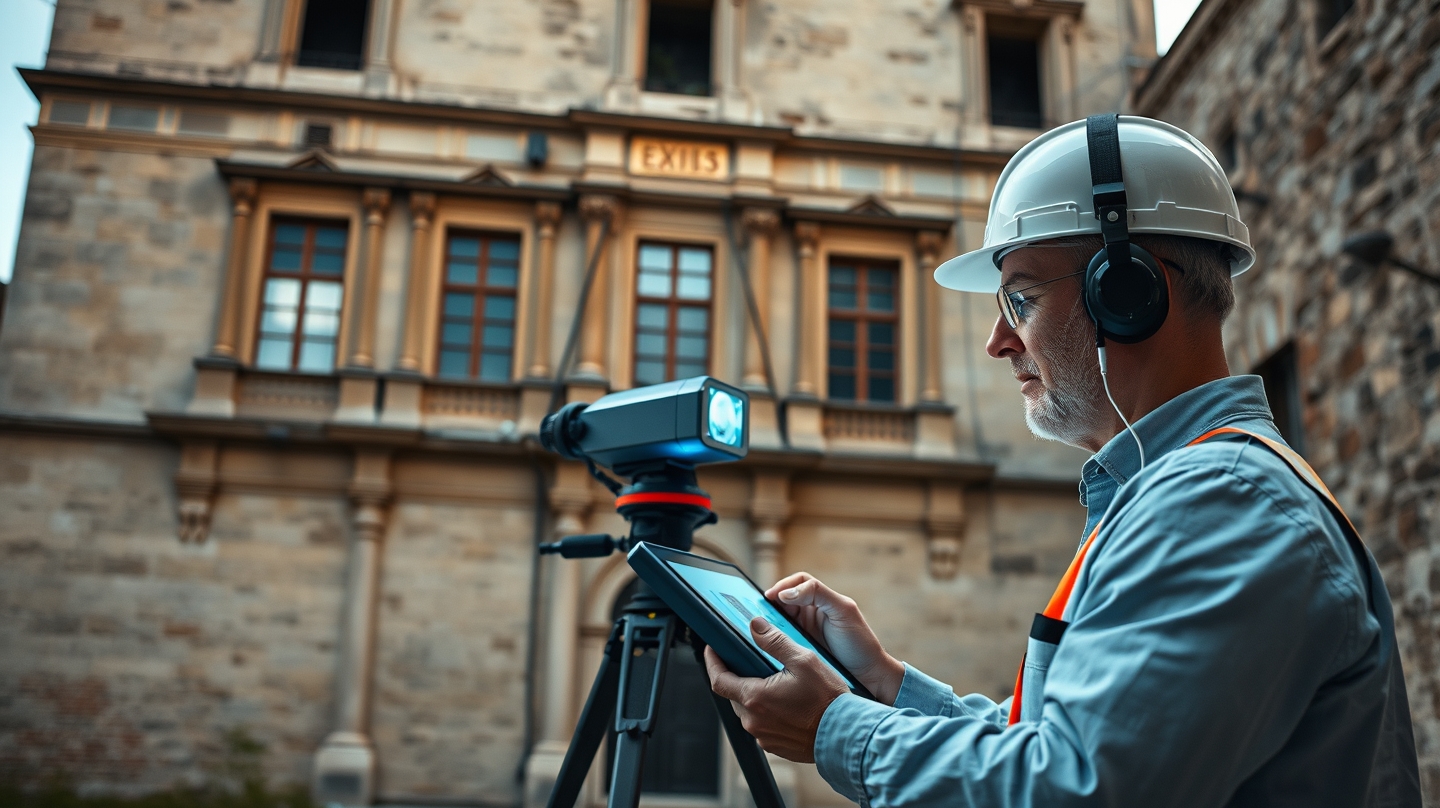
At the core of this shift are building‑information‑modeling (BIM) suites such as Autodesk Revit and Trimble Connect, which now integrate AI algorithms capable of scanning existing structures, cataloguing material conditions, and generating code‑compliant layouts in minutes. Architects feed laser‑scanned point clouds into these tools; the software identifies load‑bearing walls, historic façades, and hidden utilities, then proposes modular interventions that respect the original rhythm while inserting contemporary systems. The result is a workflow that moves from months of manual measurement to a collaborative digital twin that updates in real time.
This automation does more than accelerate schedules. By quantifying the embodied carbon of original materials versus new construction, the platforms provide concrete sustainability metrics that city planners and developers can cite when seeking permits or financing. The United Nations Human Settlements Programme (UN‑Habitat) has highlighted such data‑backed cases as proof that “reuse, reduce, recycle” can be operationalised at scale, curbing urban sprawl and preserving cultural identity.
Beyond design, cloud‑based project management tools are redefining how stakeholders communicate. Google Cloud’s AI‑driven document analysis automatically extracts compliance clauses from historic preservation guidelines, flagging potential conflicts before they reach the field. Contractors receive updated work orders on mobile devices, while heritage consultants review proposed interventions through augmented‑reality overlays that blend the as‑built condition with the envisioned future.
These technological layers create a structural insight: the traditional silo between preservationists and engineers is collapsing into a single, data‑rich ecosystem. When the same digital model feeds structural analysis, energy simulation, and community impact studies, decision‑makers can evaluate trade‑offs holistically. A recent office‑to‑residential conversion in Barcelona used this integrated approach to retain original brickwork while achieving a 30% reduction in operational energy use, a figure that would have been speculative without real‑time simulation.
The broader implication is an industry transformation that extends beyond architecture. Media infrastructure—project documentation, stakeholder communication, and public outreach—now relies on automated pipelines that distribute visualisations instantly across social platforms, increasing public awareness and fostering community buy‑in. This media‑automation loop accelerates approvals and reduces the “not‑in‑my‑backyard” resistance that often stalls heritage projects.
For developers, the promise is clear: lower risk, faster delivery, and a stronger narrative that aligns profit with preservation. For cities, the technology offers a scalable path to meet climate targets without erasing the stories embedded in their streetscapes. As more municipalities adopt digital heritage registries, the feedback loop will tighten, encouraging further investment in automation‑enabled reuse.
In practice, the shift is already visible. A former textile mill in Manchester, retrofitted with AI‑optimized insulation and modular interior partitions, opened as a mixed‑use hub within six months—half the timeline of comparable projects a decade ago. The success story underscores a new reality: technology is not a peripheral add‑on but the engine driving the next wave of adaptive reuse.




















