When a dam built in 1950 faces the dual threat of seismic instability and dwindling storage, the solution is rarely simple. Yet Santa Clara Valley Water District has just awarded a $1.88 billion contract to a joint venture of FlatironDragados and Sukut Construction to rebuild Anderson Dam – and the project will lean heavily on digital automation, AI‑based seismic modeling, and a phased construction workflow that could become a benchmark for aging infrastructure nationwide.
Anderson Dam, which creates the 13,000‑acre Anderson Reservoir, currently operates at a mere 3 % of its capacity because safety restrictions keep water levels well below the crest. The restriction stems from a 2017 study that warned a moderate earthquake could trigger a catastrophic breach. The new contract, announced on Tuesday, covers the full seismic retrofit, including a rebuilt spillway, enlarged outlet tunnels, and a suite of monitoring systems. The overall budget for the seven‑year effort tops $2.8 billion, with construction slated to begin in 2027.
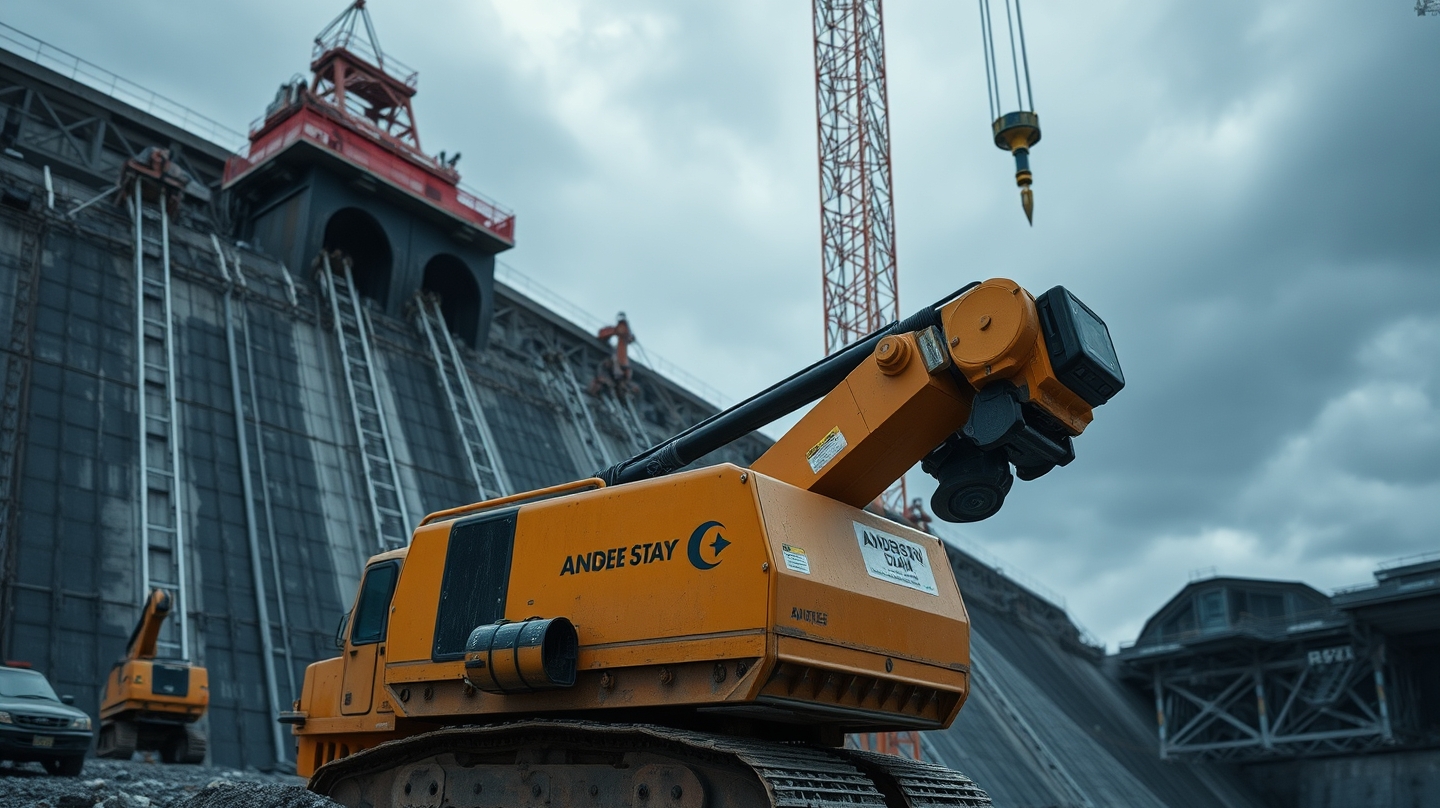
What sets this retrofit apart from past dam upgrades is the integration of technology‑driven automation at every stage. The JV will employ Building Information Modeling (BIM) to create a digital twin of the dam, allowing engineers to run thousands of simulated earthquake scenarios in real time. Machine‑learning algorithms will analyze the results, identifying the most vulnerable sections and optimizing reinforcement designs. On the ground, robotic concrete placement and autonomous earth‑moving equipment will reduce manual labor, improve precision, and shorten exposure to hazardous conditions.
“Rebuilding Anderson Dam is our top priority,” said Tony Estremera, board chair of Valley Water. “This milestone reflects years of hard work, collaboration, and perseverance by our staff, contractors, regulators, and community partners.” The quote underscores a broader shift: water agencies are no longer just custodians of supply, they are becoming early adopters of construction technology traditionally reserved for high‑rise projects.
The project’s first tangible step is the Anderson Dam Tunnel upgrade, which replaces a 4‑foot‑diameter outlet pipe with a 13‑foot conduit capable of releasing water more quickly in an emergency. Completed later this year, the tunnel will also house fiber‑optic sensors that feed continuous strain data into a cloud‑based analytics platform. This real‑time monitoring will alert operators to subtle shifts in the dam’s behavior long before a crisis emerges.
Beyond the engineering feats, the retrofit carries significant regional implications. Anderson Reservoir serves as a buffer for the other nine reservoirs managed by Valley Water; its limited capacity has forced the district to rely on external sources during dry seasons, raising costs for ratepayers. Restoring the dam’s full storage potential will enhance water security for the Silicon Valley area, especially as climate change drives more erratic precipitation patterns.
From a policy perspective, the project aligns with the Water Resources Development Act, which recently earmarked $30.5 billion for water infrastructure. The infusion of federal funds is expected to accelerate similar automation‑focused upgrades across the nation, creating a wave of high‑skill construction jobs that blend civil engineering with data science.
Structurally, the retrofit follows a risk‑mitigation model: the tunnel upgrade proceeds first, delivering immediate safety benefits while the larger dam and spillway reconstruction unfolds in later phases. This staged approach minimizes disruption to water deliveries and provides measurable checkpoints for regulators, a practice that could be replicated in other embankment dams facing seismic scrutiny.
In the broader industry context, the FlatironDragados‑Sukut partnership builds on a history of collaboration that began with the Lake Isabella project in Kern County. Their combined expertise in large‑scale earthworks and digital construction platforms positions them to deliver on the ambitious timeline, while also showcasing how joint ventures can pool technology assets to win federal and state contracts.
Ultimately, the Anderson Dam retrofit is more than a safety project; it is a test case for how legacy infrastructure can be modernized through automation, data‑driven design, and a collaborative procurement model. If successful, the lessons learned will ripple through water agencies, construction firms, and policymakers seeking resilient solutions in an era of seismic uncertainty and climate stress.




















