When Lego announced a $400 million upgrade to its Monterrey, Mexico plant, the headline focused on the size of the investment. What’s less obvious is how the project reshapes the toy maker’s production technology and regional supply chain, a move that could set a new benchmark for manufacturing automation in the Americas.
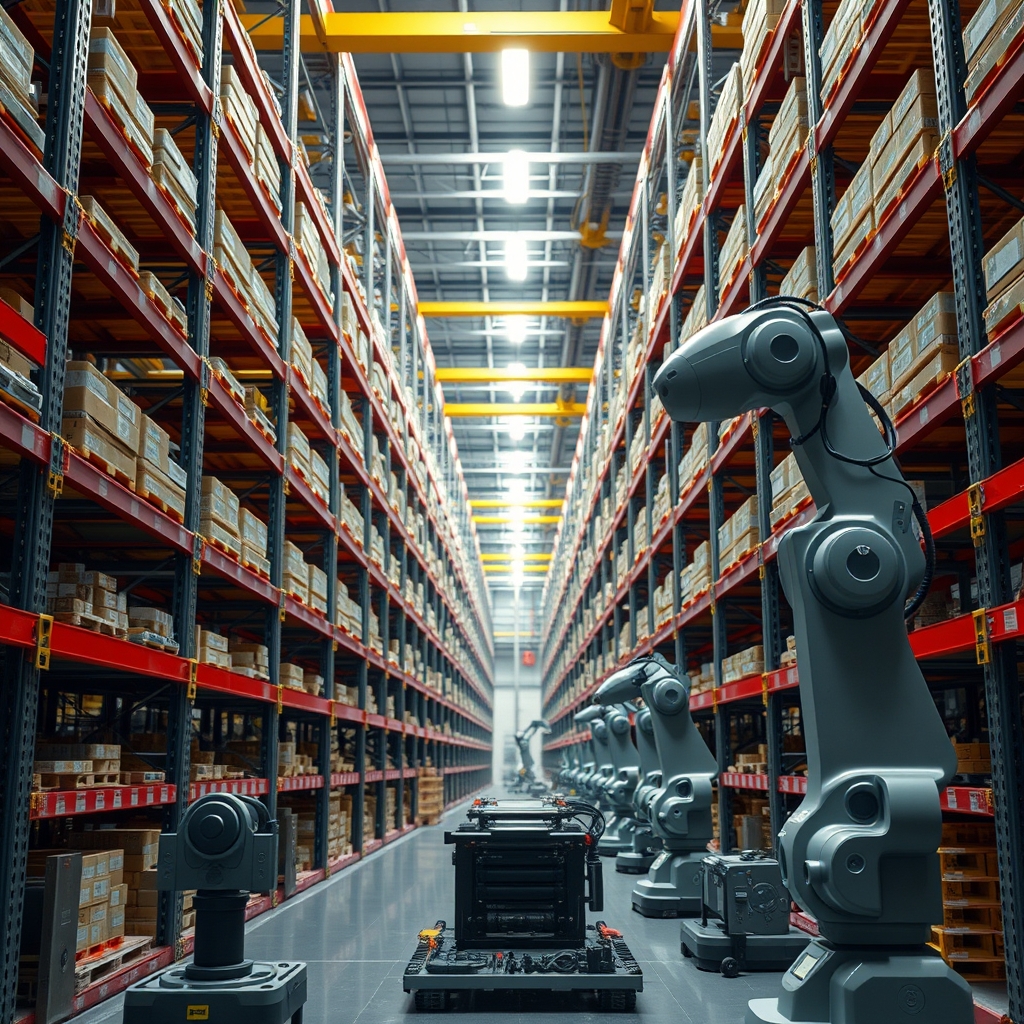
The expansion adds more than 667,000 sq ft of space, including a fully‑automated high‑bay warehouse capable of stacking pallets from 40 ft to over 150 ft high. The new packing hall and automated storage system will be managed by sophisticated warehouse‑management software, robotics, and real‑time data analytics. According to Nancy Sánchez, general manager of the Monterrey factory and senior vice‑president of Americas manufacturing at Lego, the upgrade is part of a “flexible and resilient, regionally based global supply chain” that has guided the company’s strategy for the past 15 years.
Beyond the hardware, the project will create roughly 1,300 new positions, taking the site’s workforce from 7,300 to nearly 8,600 employees. The additional roles focus on technical training, professional development, and long‑term career pathways. Lego is partnering with local technical schools, Mexico’s Ministry of Education, and industry groups to design curricula that teach operators how to run sophisticated automation software, troubleshoot robotics, and apply continuous‑improvement methodologies.
Automation at Monterrey is not an isolated upgrade. It reflects a broader industry trend where manufacturers embed digital twins, AI‑driven demand forecasting, and modular production lines to respond faster to market swings. By storing finished goods in a high‑bay system, Lego can reduce the time between molding a brick and shipping it to distribution centers across North and South America. This tighter loop cuts inventory holding costs and improves service levels for retailers during peak seasons, such as the holiday rush.
The environmental angle also ties into Lego’s sustainability commitments. The Monterrey site already features rooftop solar panels, water‑reuse systems, and a zero‑waste‑to‑landfill goal. The new warehouse will be energy‑efficient, using LED lighting and motion‑sensor controls that align with Lego’s target to finish its single‑use plastic phase‑out by 2027. The integration of automation therefore supports both operational efficiency and carbon‑reduction objectives.
From a macro perspective, the expansion underscores Mexico’s growing role as a manufacturing hub for high‑value, technology‑intensive goods. While Lego’s first North‑American plant opened in Monterrey in 2008, the company is now replicating the model with a $1.5 billion complex in Chesterfield, Virginia. The dual‑site strategy diversifies risk, shortens lead times, and positions Lego to meet rising demand for “play experiences” that blend physical bricks with digital platforms.
Stakeholders—ranging from local workers to global investors—should watch how the Monterrey upgrade influences supply‑chain resilience. If the high‑bay system delivers on its promise of faster order fulfillment and lower emissions, other manufacturers may adopt similar automation‑first expansions, accelerating a shift toward greener, more responsive production networks across the continent.
In short, Lego’s $400 million spend is more than a construction project; it is a technology‑driven transformation that blends job creation, skill development, and sustainability into a single, scalable model for the future of manufacturing.




















