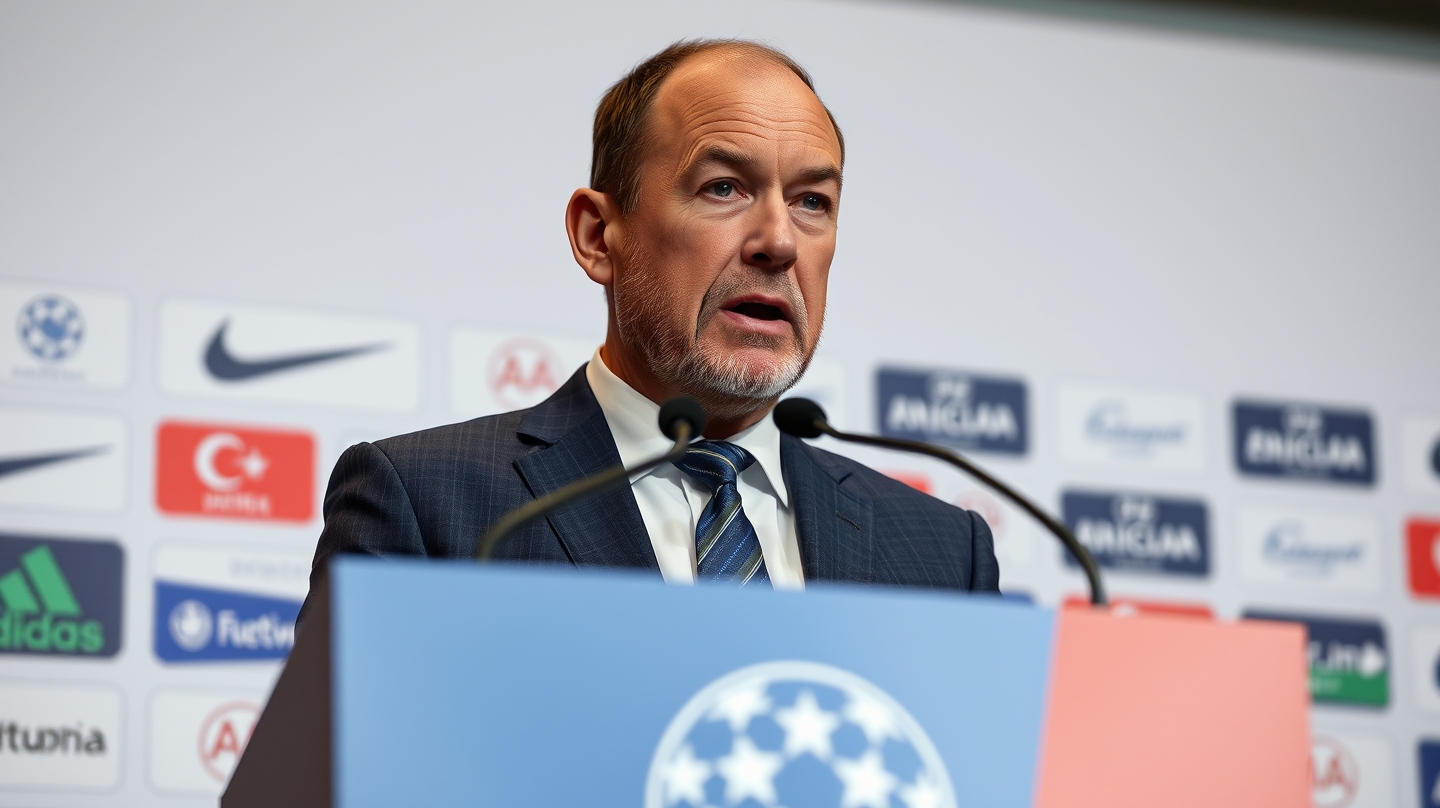
When Gianni Infantino arrived in the United States on a private jet in July, the World Cup was at its zenith and the FIFA president seemed untouchable. Two weeks later, the same itinerary ends in a starkly different picture: European, Asian and North‑American confederations have publicly questioned his leadership after he scrapped a controversial proposal to sell stakes in FIFA competitions to private investors.
The proposal, first hinted at in early June, would have opened World Cup, Women’s World Cup and other flagship tournaments to private‑equity financing. Proponents argued that the capital influx could fund technology‑driven upgrades—AI‑based match analysis, automated ticketing platforms, and a unified media‑rights workflow that promises faster, data‑rich broadcasts. Critics, however, warned that commercialising the very events that define global football would erode the sport’s public‑interest mandate and hand too much control to financiers.
Within days of the plan’s abandonment, UEFA, CONCACAF and the AFC released joint statements describing “fundamental weaknesses” in FIFA’s decision‑making process. The Asian Football Confederation noted that the episode “exposes gaps in consultation that must now be addressed.” In the United Kingdom, Prime Minister Andy Burnham condemned the idea as “a step away from the sport’s grassroots values.” The backlash is not merely rhetorical; the three confederations have hinted at coordinated boycotts of FIFA‑run tournaments if governance reforms are not introduced.
Beyond the political fallout, the controversy highlights a broader industry shift. Football’s governing bodies are increasingly dependent on technology to manage massive data streams—from player tracking sensors to automated rights‑distribution systems. FIFA’s own media‑rights department has been piloting an AI‑driven workflow that tags highlights in real time, cuts down on manual editing, and delivers personalised feeds to broadcasters worldwide. A stake‑sale could have accelerated these initiatives by providing the necessary capital, but it also risked ceding control of the underlying infrastructure to private firms whose priorities may not align with the sport’s integrity.
For fans, the stakes are tangible. Automation promises smoother ticket purchases, reduced scalping, and more transparent pricing. Yet the same tools can be weaponised to prioritise revenue over accessibility, especially if private investors demand higher fees for premium digital experiences. Broadcasters, too, stand to lose bargaining power if a single commercial entity owns the distribution pipeline.
Internally, the episode exposes FIFA’s structural fragility. The organisation’s voting system gives each confederation a block of votes, meaning a coordinated front can challenge even a long‑standing president. Former FA chairman David Bernstein warned that “if he has to back down due to something of this magnitude, he would probably be shown the door,” while former FIFA vice‑president Jim Boyce suggested that Infantino may still secure enough support to complete his term, but the margin is narrowing.
Adding to the pressure, Carlos Cordeiro—Infantino’s senior adviser on the 2026 World Cup task force—has resigned, citing “misalignment on governance expectations.” FIFA’s chief operating officer, Kevin Lamour, told the Associated Press that the administration felt “deceived” about the stake‑sale project, underscoring a communication breakdown that extends beyond the proposal itself.
The fallout could reshape football governance for years. If confederations succeed in forcing a governance overhaul, we may see a more transparent, technology‑centric model where AI audits decision‑making and automated reporting becomes the norm. Conversely, a failure to adapt could entrench the status quo, leaving FIFA vulnerable to future commercial pressures and eroding trust among fans and sponsors.
In practical terms, the immediate question is who would replace Infantino if he were forced out. Potential successors include UEFA’s current president, who has championed digital transformation across European leagues, or a senior FIFA executive with a background in sports‑technology partnerships. Either path would likely accelerate the integration of automation into FIFA’s operational core, but the political cost of such a transition remains uncertain.
What is clear is that the stake‑sale episode has turned a financial proposal into a litmus test for FIFA’s ability to modernise responsibly. The outcome will determine not only who sits in the Zurich office, but also how technology will be woven into the sport’s governance, media infrastructure and fan experience for the next decade.




















