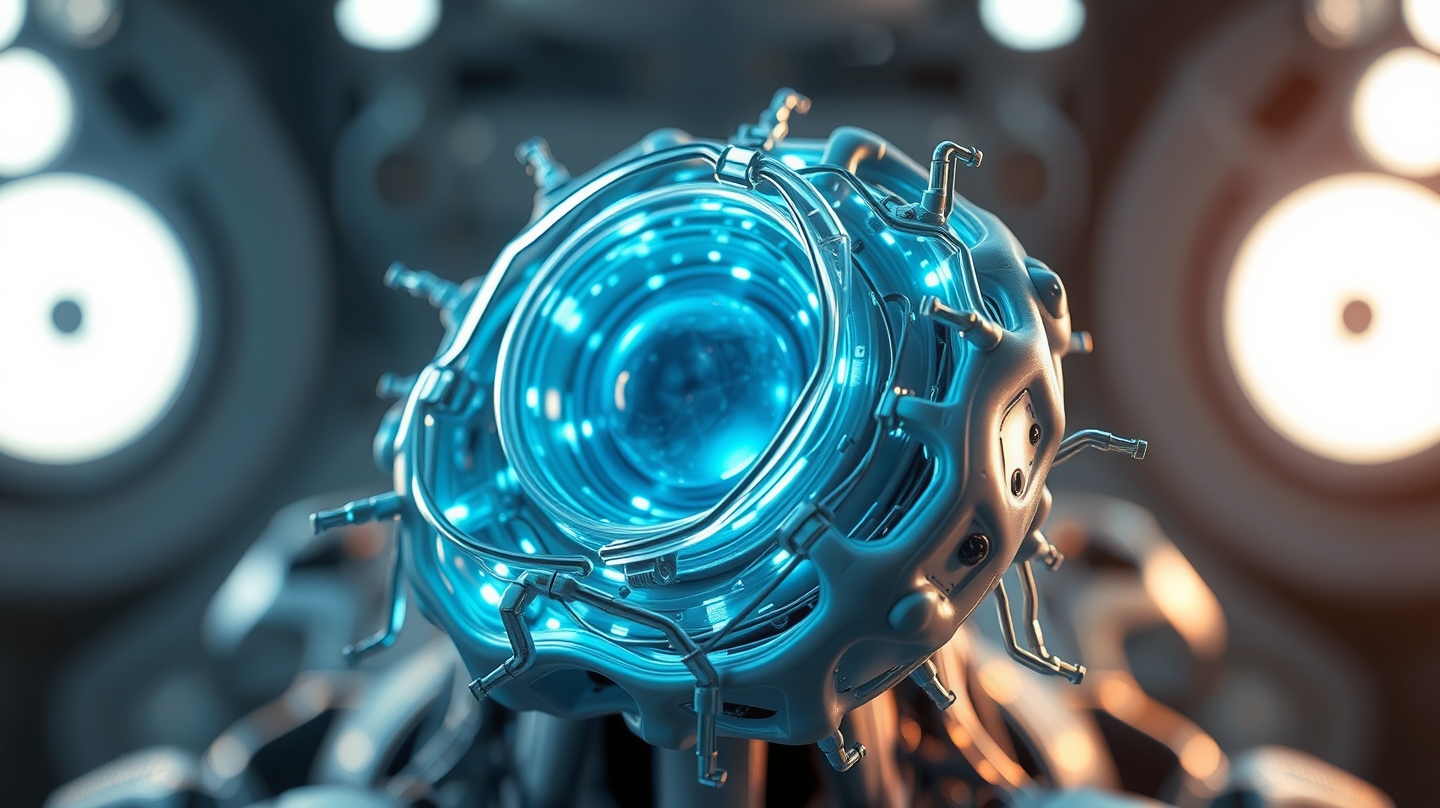
As the field of artificial intelligence continues to evolve, a new generation of robots is emerging that combines the power of AI with the adaptability of soft, deformable materials. At the forefront of this revolution is morph, a London-based startup that is redefining the boundaries of robotics with its innovative approach to embodied AI.
According to Dr. Jean Nehme, founder of morph, the key to creating truly intelligent robots lies in integrating AI development with hardware design. By embedding sensing and adaptive control directly into reconfigurable materials, morph's robotic cells can sense, adapt, and respond to their environment in real-time, much like living organisms.
This approach has far-reaching implications for the future of robotics, enabling the creation of robots that can interact safely and effectively with humans in a wide range of settings. As Nehme notes, the traditional approach to robotics, which separates hardware and software development, is no longer sufficient. Instead, morph's embodied AI approach offers a more holistic and integrated solution, one that has the potential to accelerate the development of physical AI systems and transform industries from healthcare to manufacturing.
One of the most significant advantages of morph's approach is its focus on soft robotics. By working with soft, deformable materials, morph's robots can interact with humans in a more gentle and intuitive way, reducing the risk of injury or damage. This is particularly important in applications such as healthcare, where robots may need to interact with fragile or sensitive tissues.
However, working with soft materials also presents significant challenges, particularly when it comes to predicting their behavior. As Nehme notes, the material systems used in soft robotics are often difficult to model and simulate, requiring the development of new computational tools and techniques.
Despite these challenges, the potential benefits of morph's approach are undeniable. By creating robots that can adapt and learn in real-time, morph is paving the way for a new generation of intelligent machines that can interact with humans in a more natural and intuitive way. As the field of robotics continues to evolve, it is likely that we will see a growing demand for robots that can think, learn, and adapt in complex and dynamic environments.
The implications of this technology are far-reaching, with potential applications in fields such as healthcare, manufacturing, and education. As robots become increasingly integrated into our daily lives, the need for machines that can think and learn in real-time will only continue to grow. With its innovative approach to embodied AI, morph is well-positioned to play a leading role in this revolution, and its technology has the potential to transform the way we live, work, and interact with the world around us.




















