When a three‑hour, R‑rated adaptation of an ancient poem opened to $264.1 million worldwide, the result was less a surprise and more a signal: modern cinema can still command massive, cross‑market attendance when technology and storytelling align.
Universal reported $124.5 million from North America and $139.6 million from 73 overseas markets in the film’s opening weekend. The numbers eclipse Nolan’s previous record‑breakers, including the $249 million debut of The Dark Knight Rises. The achievement matters because it occurs without the safety net of a long‑standing franchise, proving that audience appetite for event cinema remains robust when a director’s brand and a film’s technical ambition converge.
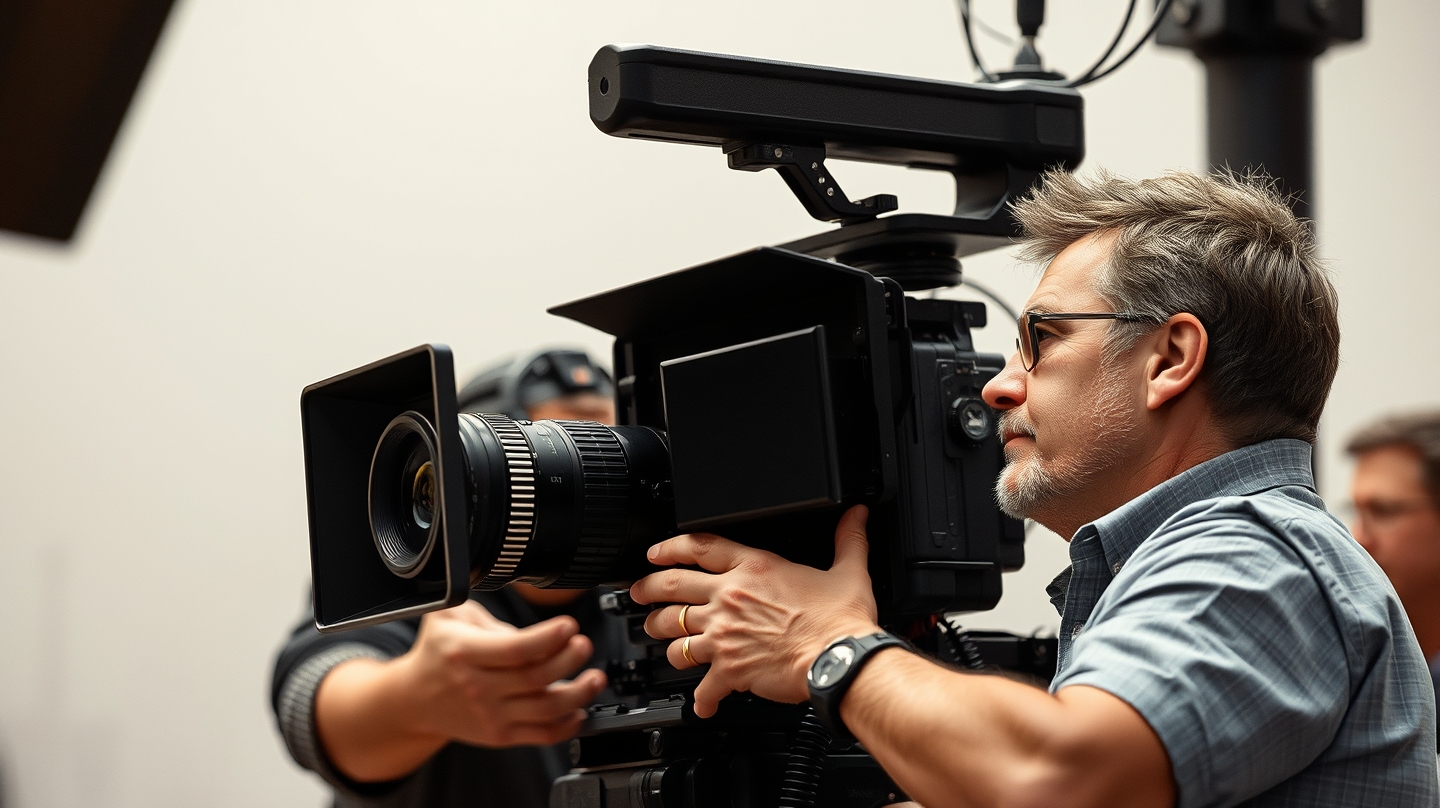
At the core of the success is a technology‑driven workflow that reshaped every stage of production. The Odyssey is the first feature shot entirely with IMAX cameras, a choice that demanded automated data pipelines to handle the massive image files, real‑time color grading, and rapid turnaround for theater‑ready masters. The resulting premium‑format tickets accounted for $22.2 million of the international take and $51.8 million globally—roughly a quarter of total revenue—highlighting how high‑resolution formats can translate directly into box‑office dollars.
This technical shift mirrors a broader industry transition from traditional film‑stock and manual post‑production to fully digital pipelines. Studios now rely on AI‑assisted editing, automated subtitle generation, and cloud‑based distribution to meet tight release windows. The ripple effect extends beyond cinema; the NFL’s recent migration to automated streaming workflows demonstrates how live‑event entertainment sectors are embracing similar efficiencies to reach global audiences instantly.
For exhibitors, the IMIMAX‑centric debut underscores a strategic pivot toward premium‑experience screens. Richard Gelfond, CEO of IMAX, called the weekend a “transcendent moment,” noting that the surge in premium ticket sales could accelerate the rollout of new IMAX venues worldwide. If theaters continue to invest in large‑format technology, the traditional multiplex model may evolve into a tiered experience where premium screens drive a disproportionate share of revenue.
From a market‑share perspective, the film’s performance reshapes the competitive landscape for 2026. It sits behind only two releases—The Super Mario Galaxy Movie and Toy Story 5—yet outpaces every other non‑animated, non‑franchise title. The data suggests that audiences are willing to allocate discretionary spending to high‑concept, high‑production‑value events, especially when the distribution strategy leverages digital automation to maximize reach.
Critically, the film’s strong word‑of‑mouth and 94 % Rotten Tomatoes rating reinforce the notion that quality content still matters. Yet the financial narrative is equally driven by how quickly studios can push a finished product from set to screen using automated workflows. This dual engine of creative pedigree and technical efficiency may become the template for future tentpole releases.
Looking ahead, the success of The Odyssey could influence greenlighting decisions at major studios. Projects that promise a blend of auteur direction, immersive technology, and streamlined digital pipelines may receive priority funding, while smaller, traditionally shot dramas could find it harder to secure wide releases. The industry’s pivot toward digital platforms—whether streaming services or premium‑format theaters—signals that the old gatekeeping model is giving way to data‑informed, technology‑enabled distribution.




















