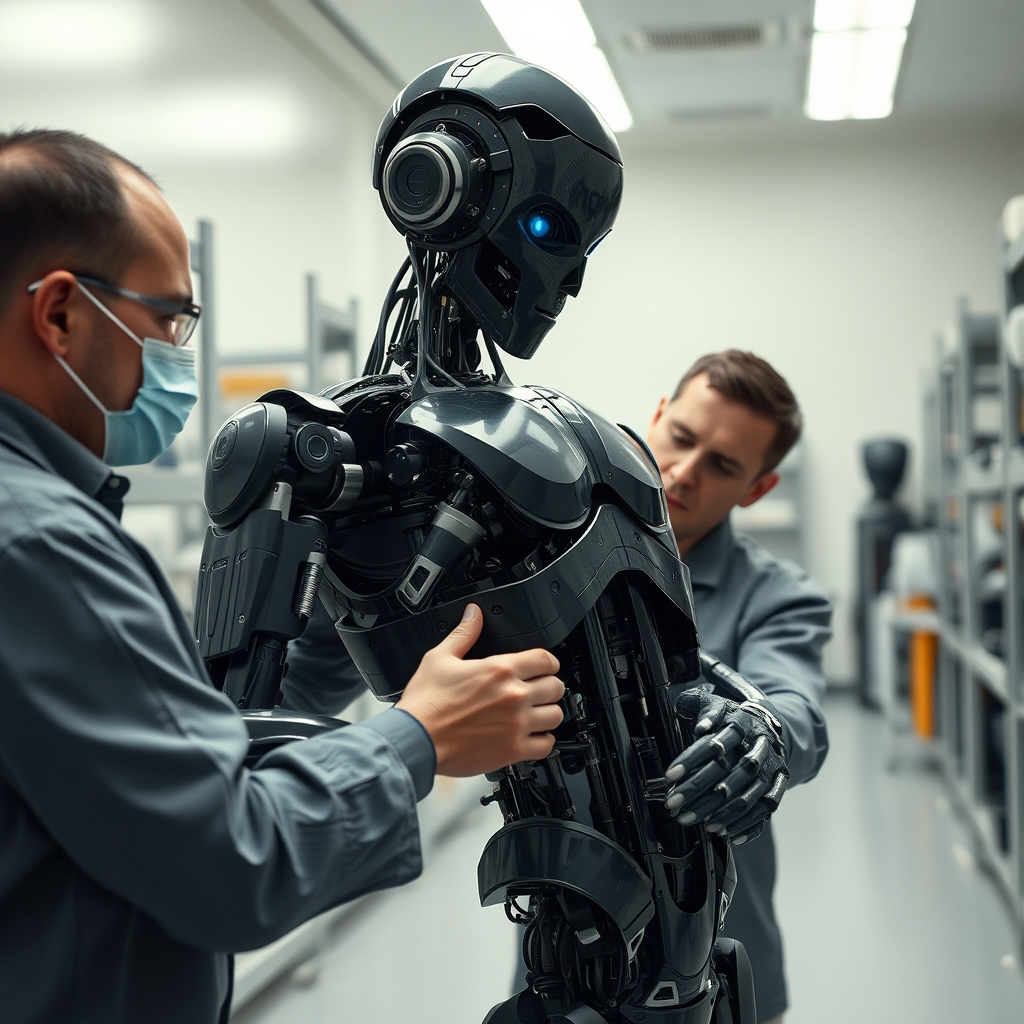
Imagine a factory floor where a sleek, human‑shaped machine powers a production line, only to be taken offline after a few years. The scene that follows is not a pile of junk but a highly coordinated decommissioning effort that resembles an operating theatre. This contrast between sleek operation and meticulous disassembly is the new reality for companies racing to mass‑produce humanoid robots.
Humanoid units typically contain 10,000 to 15,000 individual parts, organized into four dense subsystems: actuation and motion modules, a carbon‑fiber or titanium skeleton, an artificial nervous system of sensors and cabling, and a semiconductor core. Each robot also hides 3.5–4 kg of neodymium magnets—more than an electric‑vehicle chassis—making traditional crushing methods impractical.
The first hurdle is data security. Memory chips store navigation maps, biometric logs, and proprietary AI models. If these chips are merely removed and resold, they become a goldmine for corporate espionage. Financial institutions that fund robot manufacturers are now demanding cryptographic erasure certificates, turning data destruction into a contractual clause.
Second, the energy stores pose safety and environmental risks. Lithium‑ion packs can trigger thermal runaway if punctured, while hydraulic lines retain high‑pressure fluid that can become a projectile. Specialized firms are emerging to convert battery packs into "black mass" for rare‑earth recovery, creating a new revenue stream that investors are watching closely.
Third, the mechanical components themselves carry liability. Re‑using servo motors may be cost‑effective, but reclaimed carbon‑fiber frames can suffer hidden fatigue, raising the specter of sudden failure in downstream applications. Insurance providers are adjusting policies to cover post‑service fatigue testing, adding another layer of cost for robot owners.
Finally, the magnet paradox forces a redesign of recycling infrastructure. The dense concentration of neodymium requires manual extraction to avoid contaminating aluminum and titanium streams. This labor‑intensive step has spurred a niche market for "magnet‑first" recycling plants, attracting venture capital that sees parallels with rare‑earth mining.
From a market perspective, the financial sector is already reacting. Shares of firms that supply robot components, such as actuator manufacturers, have shown modest volatility as analysts factor in decommissioning expenses. Institutional investors are demanding transparency on end‑of‑life (EOL) strategies, prompting several large funds to allocate capital to dedicated robot‑recycling funds.
Meta, a leading player in AI and immersive hardware, exemplifies the institutional impact. The company recently announced an internal policy to certify that any humanoid prototypes used in its research labs will undergo certified data wiping and magnet recovery before disposal. This move not only protects user privacy but also signals to shareholders that Meta is mitigating hidden liabilities in its robotics ambitions.
Beyond the balance sheet, the broader implication is a shift in how automation is financed. Traditional capex models assumed a simple scrap value at EOL; now, the decommissioning process adds a measurable cost line that must be modeled into total cost of ownership. Companies that embed recycling clauses into purchase agreements are likely to enjoy lower financing rates, as lenders view the explicit risk mitigation as a credit positive.
In practice, the new EOL ecosystem is already influencing procurement decisions. A robotics startup in Japan recently partnered with a European recycling consortium to guarantee that every unit it ships will be returned for safe disassembly, a partnership that unlocked a $50 million series B round.
As the industry matures, the hidden costs of retiring humanoid robots will become a standard metric in any automation investment thesis. Understanding the technical bottlenecks, the financial safeguards, and the emerging recycling markets is essential for investors, regulators, and the companies that build the machines.




















