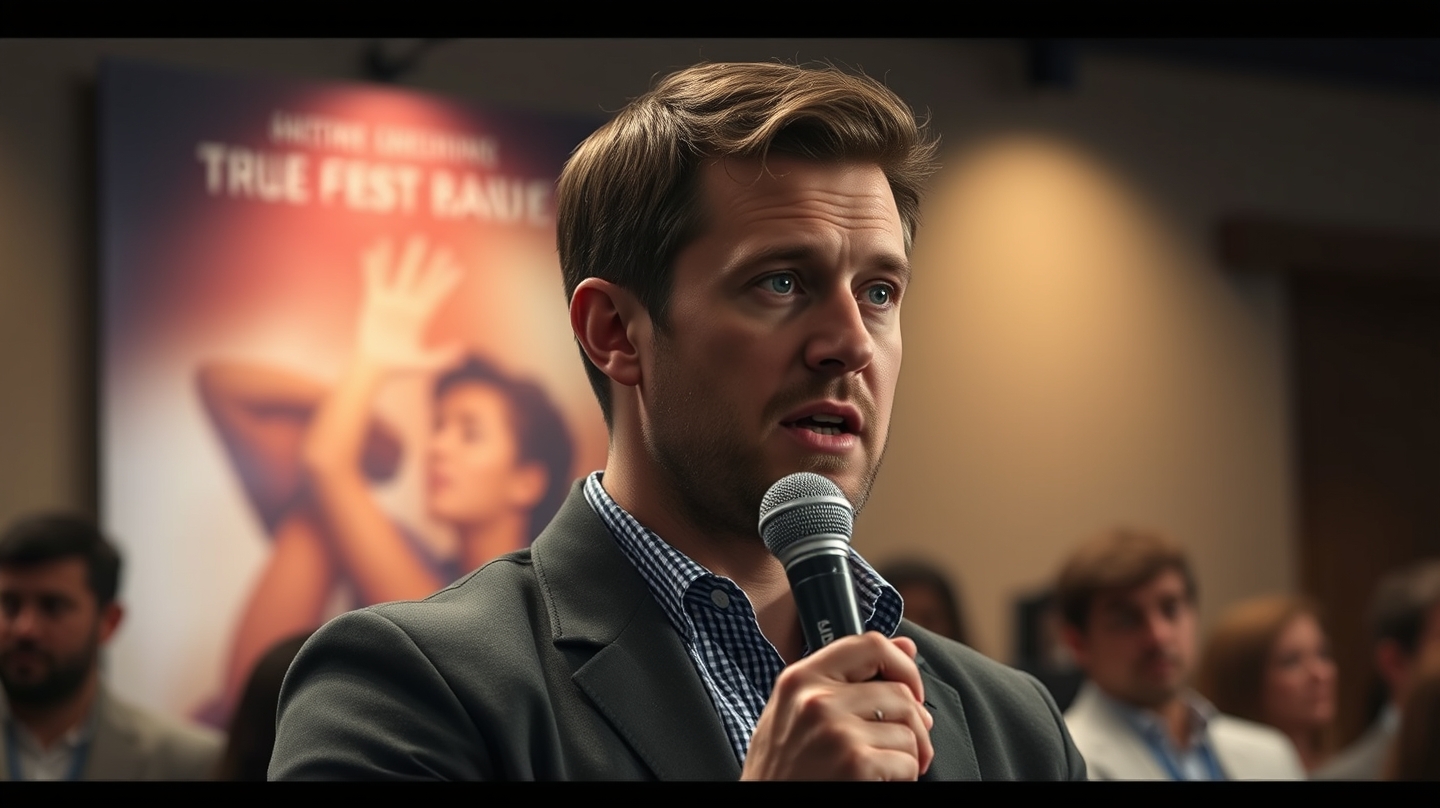
When former TV star Ben McKenzie unveiled his documentary Everyone Is Lying to You for Money, he expected the usual licensing route: sell the film to Netflix, Amazon or Apple and let the platforms handle promotion. Instead, he found the major services stepping back, citing a “risk calculus” tied to the Trump administration’s unprecedented $1.4 billion crypto‑related earnings during its first year back in office.
The film, which examines the cryptocurrency industry’s opaque practices and calls for tighter regulation, has earned a perfect 100 % fresh rating on Rotten Tomatoes and modest box‑office returns of about $150,000. Yet despite critical praise, the streaming giants declined to acquire it. McKenzie says the decision reflects a fear of antagonising a government that is simultaneously benefitting from the very sector the documentary condemns.
“If you’re a corporation and you’re trying to decide on the marginal value of buying an independent movie that you don’t have to buy, and potentially incurring the wrath of the Trump administration, it’s a pretty easy decision,” McKenzie told Variety. “The risk calculus is not in our favour, and they’d rather just not buy it.” This candid assessment underscores how political and financial considerations can outweigh pure content merit in licensing negotiations.
Faced with the gatekeepers’ silence, McKenzie turned to Eventive, a niche digital platform that lets indie creators sell or rent titles directly to audiences without a subscription model. He hopes that 100,000 viewers in the first two weeks will prove the approach viable, and he plans to pair the release on August 22 with a live Q&A featuring himself, actress Morena Baccarin, and cryptocurrency experts. By eliminating the middleman, McKenzie aims to retain full revenue share and control over promotion.
The strategy reflects a broader shift toward digital‑first consumption. Audiences increasingly favour on‑demand access, and filmmakers are experimenting with “eventized” releases that combine streaming, interactive elements and direct marketing. This model reduces reliance on traditional VOD platforms, which have long acted as the primary distribution gate for independent documentaries.
From a structural perspective, the rise of event‑based platforms like Eventive signals an emerging distribution tier. Unlike legacy services that bundle content behind a subscription, these platforms charge per view and often incorporate community features such as live chats or exclusive bonuses. The model reshapes revenue flows, giving creators a clearer line of sight to audience engagement and profitability.
For other indie filmmakers, McKenzie’s move offers a template. If a film tackles controversial subjects that could trigger political pushback, bypassing the major services may protect both artistic integrity and financial return. The approach also aligns with advertisers’ growing interest in niche audiences, who are more likely to engage with targeted, interactive experiences than with generic streaming catalogs.
Regulators are watching the crypto debate closely, and the documentary’s release timing adds another layer of relevance. As lawmakers consider stricter oversight, the film could become a reference point in public discussions, influencing both policy and investor sentiment. Meanwhile, the entertainment industry may need to reassess how political risk is factored into content acquisition decisions.
Ultimately, McKenzie’s independent launch illustrates how political economics, audience behavior and technology converge to reshape media distribution. Whether the 100,000‑viewer goal is met or not, the experiment will likely inform how future documentaries navigate a landscape where traditional gatekeepers are no longer the sole path to viewers.




















