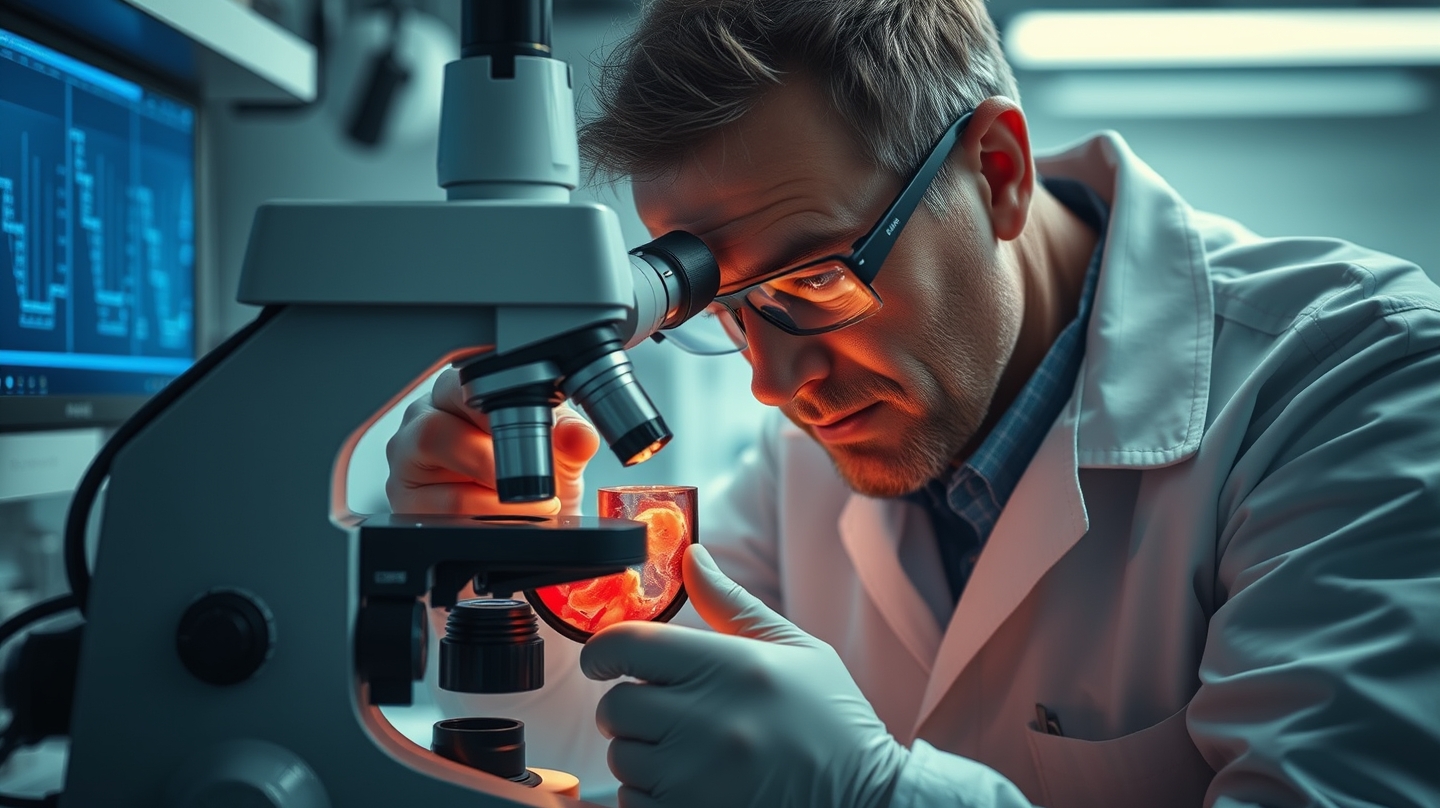
When a pygmy sperm whale washes ashore on a Florida beach, scientists see more than a tragic loss; they see a rare window into a world that rarely surfaces. In a study spanning two decades, researchers at Florida Atlantic University’s Harbor Branch Oceanographic Institute uncovered three previously unknown Helicobacter bacteria living in the stomachs of these elusive cetaceans. The discovery, published in the Journal of Wildlife Diseases, not only adds new branches to the tree of life but also spotlights the role of automated genomic workflows in marine science.
Helicobacter species are notorious for causing stomach ulcers in humans and animals. In the four whales examined, the bacteria co‑occurred with severe digestive damage – inflammation, ulcers, scarring, and parasite overload. While the study stopped short of declaring the microbes the direct cause of death, the correlation raises urgent questions about how bacterial infections may ripple through marine ecosystems.
Why it matters: The three genotypes, dubbed Kogia Helicobacter 1, 2 and 3, expand the known diversity of marine Helicobacter. Two align with strains previously found in dolphins, porpoises, and even humans, suggesting cross‑species transmission pathways. The third, Kogia Helicobacter 3, sits on a divergent branch, hinting at a hidden reservoir of oceanic microbes that have evaded detection for centuries.
Beyond taxonomy, the finding underscores a shift in marine research methodology. The team relied on high‑throughput DNA sequencing, automated sample‑processing pipelines, and machine‑learning‑assisted pattern recognition to sift through 59 strandings and 80% of available tissue archives. These technology‑driven tools cut analysis time from weeks to days, enabling a level of detail that would have been impossible a decade ago.
Structural insight: Strandings provide the only systematic data source for pygmy sperm whales, a species that spends most of its life in the deep offshore pelagic zone. This reliance creates a sampling bias toward unhealthy individuals, potentially inflating the perceived prevalence of disease. Recognizing this bias is essential when extrapolating findings to broader whale populations.
The real‑world implication is clear: if hidden bacterial strains can cause or exacerbate digestive disorders in deep‑diving whales, they may also affect other marine species, including commercially important fish. Monitoring these microbes could become a new metric for ocean health, informing fisheries management and conservation policies.
Automation is also reshaping how such data reach the public. Newsrooms now use AI‑enhanced editorial pipelines to turn complex scientific papers into concise, discover‑friendly stories within hours. The same technology that sequenced whale stomach DNA is being repurposed to streamline fact‑checking, image selection, and SEO optimization, illustrating a cross‑industry ripple effect.
Even industries far from marine biology feel the tremor. The NFL, for example, has recently adopted automated video‑analysis platforms to improve player safety – a parallel to how automated sequencing platforms are improving wildlife safety by detecting pathogens earlier. Both cases demonstrate how technology adoption can transform risk assessment in vastly different arenas.
As ocean temperatures climb and human activity intensifies, the microbial landscape beneath the waves is likely to shift. Understanding these hidden players now equips scientists, policymakers, and industry leaders with the foresight needed to mitigate future health crises, whether in whales or humans.




















