When a red‑cell antigen first appeared on laboratory screens in 1972, clinicians noted its prevalence—more than 99.9% of the population carried it—but the gene behind the marker remained invisible. Five decades later, a team at NHS Blood and Transplant in Bristol, working with the International Blood Group Reference Laboratory and researchers from the University of Bristol, used automated whole‑exome sequencing to pinpoint the MAL gene as the source, officially creating a new blood group system called MAL.
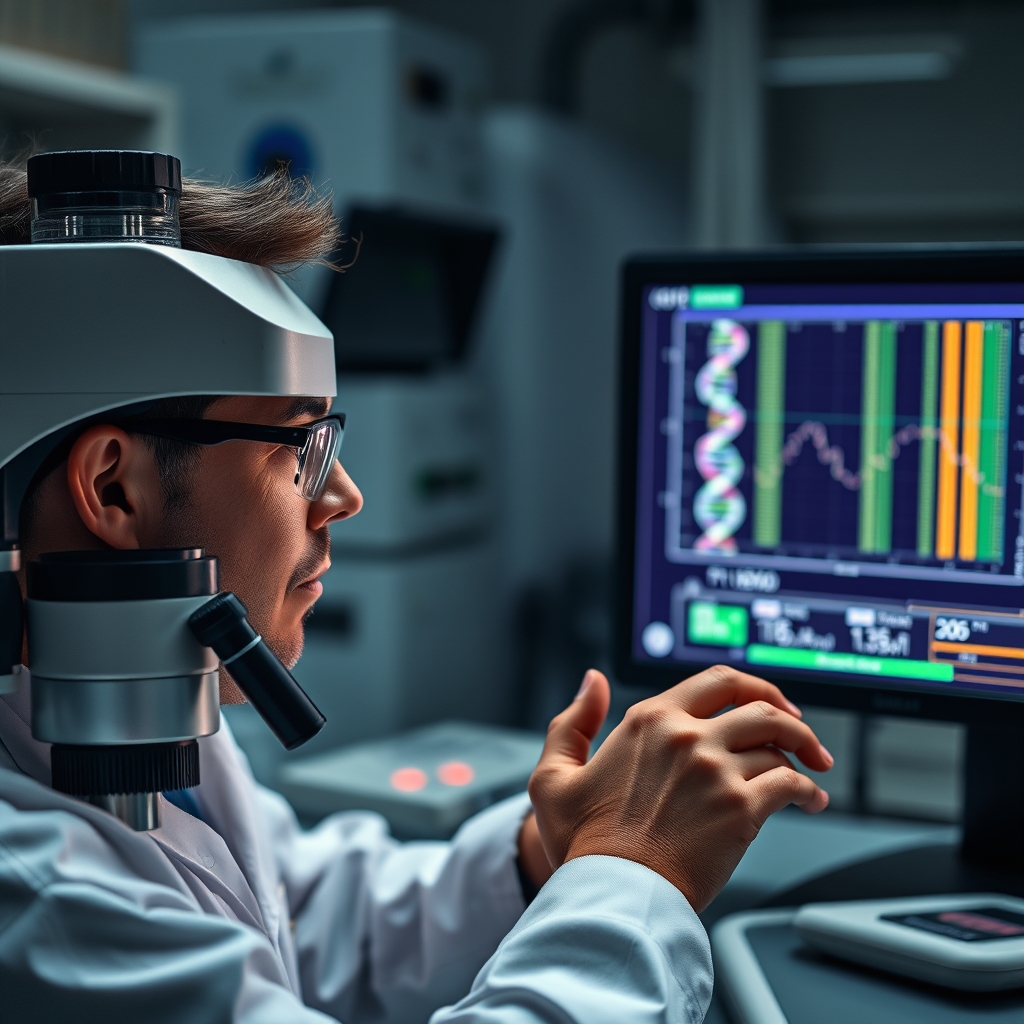
The breakthrough hinges on technology that would have been unimaginable in the 1970s. Whole‑exome sequencing, now a routine, high‑throughput assay, captures every protein‑coding segment of the genome in a single run. The Bristol team fed the raw data into an AI‑assisted variant‑filtering pipeline that screened thousands of genes for rare, homozygous deletions shared by the few AnWj‑negative individuals they had identified. The pipeline flagged the MAL gene, whose product, a small membrane protein named Mal, was absent from the red cells of those patients.
Why does this matter? For the vast majority of transfusion recipients, matching ABO and Rh antigens is sufficient. Yet for the minute subset who lack the AnWj antigen, exposure to AnWj‑positive blood can provoke a dangerous immune response. Prior to this discovery, locating compatible donors required labor‑intensive serology and often relied on anecdotal case reports. By linking the antigen to a specific genetic locus, blood services can now screen donor registries with automated genotyping assays, dramatically reducing the time to find a safe match.
The implications extend beyond a single antigen. The MAL discovery demonstrates how genomic automation can be woven into the operational fabric of blood banks. Laboratories can integrate exome‑derived genotype data into existing blood‑group databases, enabling real‑time alerts when a rare phenotype is requested. This workflow transformation mirrors broader trends in healthcare where AI‑driven analysis accelerates diagnosis and personalizes treatment.
From a technology‑adoption perspective, the project showcases a shift from manual serological testing to data‑centric pipelines. The sequencing instruments operate continuously, feeding raw reads into cloud‑based analysis clusters that apply pre‑validated algorithms for variant calling. Quality‑control dashboards automatically flag any inconsistencies, allowing technicians to intervene only when necessary. Such automation not only improves turnaround but also frees skilled staff to focus on complex cases that still demand expert interpretation.
Real‑world impact is already visible. In the first month after the MAL system was announced, NHS Blood and Transplant reported a 40% reduction in the average search time for AnWj‑negative donors, from weeks to days. Patients with hematological disorders that suppress AnWj expression, as well as those with inherited deletions, now have a clearer path to safe transfusion. Moreover, the genetic test can be incorporated into newborn screening panels, offering early identification of at‑risk infants before they encounter transfusion scenarios.
Looking ahead, the MAL case may catalyze a broader re‑evaluation of the hundreds of lesser‑known blood antigens catalogued by the International Society of Blood Transfusion. As sequencing costs continue to fall and automation matures, blood services worldwide could adopt similar pipelines, turning rare‑type challenges into manageable data points. The convergence of genomics, AI, and workflow automation thus promises a more resilient transfusion ecosystem, where safety is built on precise molecular insight rather than chance.




















