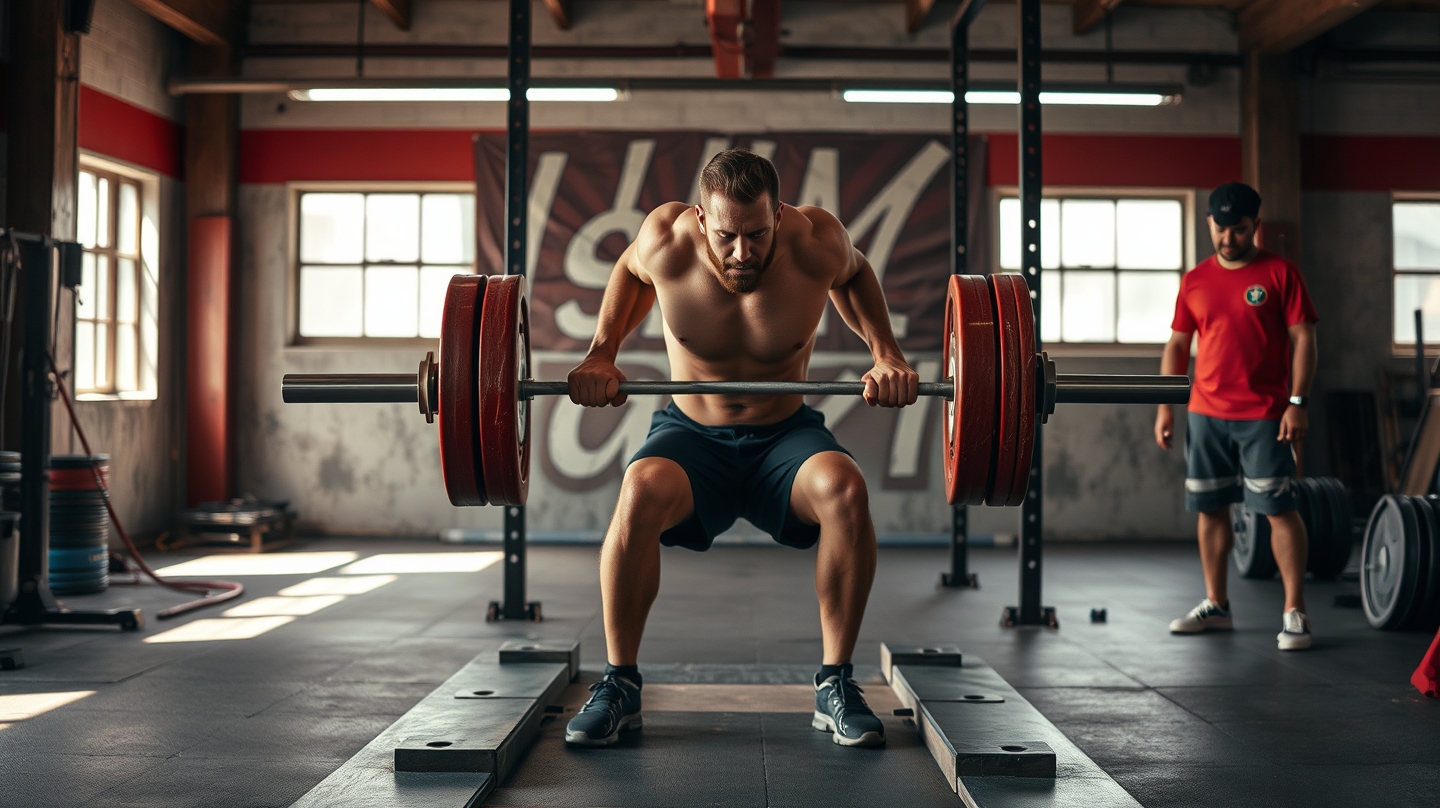
When Belgium’s Sonita Muluh stepped onto the platform in Lithuania to attempt a 334.5 kg squat, she expected a routine test of strength. Instead, a spotter’s knee struck the bar, the lift was disqualified, and weeks later a public Instagram post revealed a racist motive, leaving the athlete feeling unsafe and prompting a criminal investigation.
The incident has ignited a broader conversation about two intertwined problems: racial discrimination in international sport and the reliance on manual safety procedures that can fail in high‑risk moments. While the Lithuanian police focus on the Instagram admission, the International Powerlifting Federation (IPF) now faces pressure to modernise its safety protocols.
Muluh’s experience underscores why safety mechanisms matter. In powerlifting, spotters are tasked with preventing catastrophic bar drops, yet their actions are largely unmonitored beyond the eyes of judges. The knee‑tap that could have turned deadly was only avoided because Muluh managed to stabilise the weight—a feat not every lifter could replicate. This raises the question: could automated sensors or AI‑driven video analysis detect unsafe positioning in real time and alert officials before a lift proceeds?
Technology adoption is already reshaping other high‑risk sports. Wearable devices monitor athletes’ biomechanics, while computer‑vision systems flag dangerous movements in gymnastics and weightlifting. Applying similar automation to powerlifting could provide an objective layer of protection, reducing reliance on individual spotters whose judgment may be compromised by bias or fatigue.
Beyond on‑stage safety, the incident highlights governance gaps. Muluh criticised the IPF for failing to conduct background checks on officials and for a delayed response that only intensified after the story gained media traction. An automated vetting platform—leveraging databases, machine‑learning risk scoring, and transparent reporting—could help federations verify the conduct history of spotters, coaches, and judges before they are assigned to events.
From a media perspective, the story illustrates how digital platforms amplify both misconduct and accountability. Kusinas’s Instagram confession, posted weeks after the lift, turned a disputed technical infringement into a criminal matter. This demonstrates the double‑edged nature of social media: it can spread harmful rhetoric, yet it also creates a permanent record that authorities can act upon.
For athletes, the real‑world implication is clear: without systemic safeguards, a single act of prejudice can jeopardise physical safety and career trajectories. Muluh, a multiple‑time champion, now questions whether she can trust the sport’s infrastructure to protect minority competitors. The call for tech‑enabled oversight is not merely about preventing racist remarks; it is about ensuring that the weight on a lifter’s back does not become a weapon of intimidation.
Industry observers note that the powerlifting community is at a crossroads. Embracing automation—such as RFID‑tagged plates that trigger alerts when moved incorrectly, or AI‑based live‑stream analysis that flags irregular spotter behavior—could set a precedent for other strength‑based disciplines. Moreover, a transparent, data‑driven incident‑reporting system could help federations respond faster, reducing the lag that allowed this controversy to fester.
Ultimately, Muluh’s case may become a catalyst for change. By marrying athlete safety with technology‑driven workflow transformation, the sport can address both the overt racism she experienced and the hidden operational risks that put competitors in danger. The stakes extend beyond a single championship; they touch on the credibility of international sport governance in an era where digital accountability is increasingly expected.




















