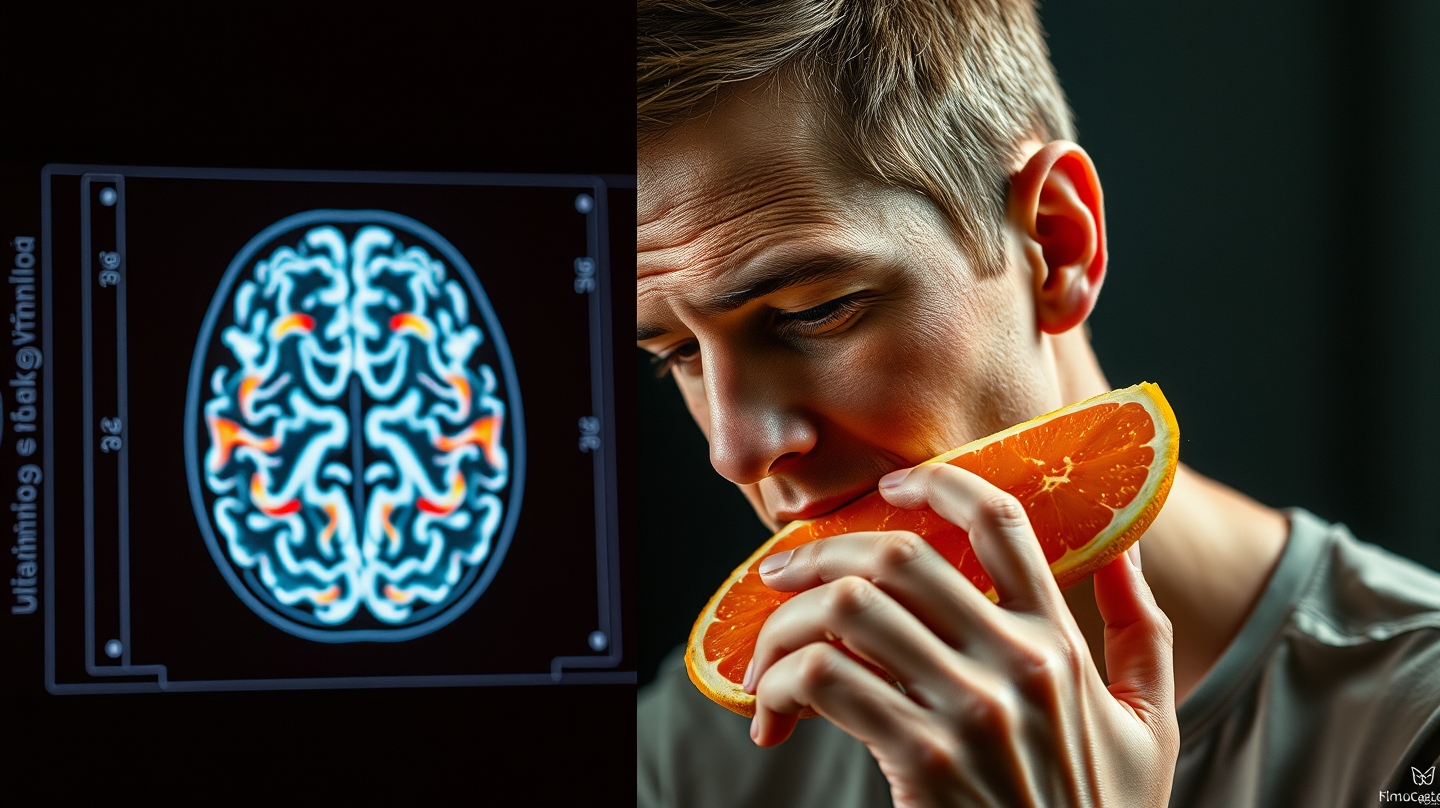
A large new study published in the journal PLOS One has found a significant correlation between vitamin C levels and brain health in older adults. The research, which analyzed data from over 2,000 Japanese adults aged 64 and above, discovered that individuals with lower vitamin C levels in their blood tended to have less gray matter and weaker connections within a key brain network involved in memory, attention, and other cognitive functions.
The study, led by Haruka Nagaya of Hirosaki University in Japan, used magnetic resonance imaging (MRI) scans and blood plasma samples to investigate the relationship between vitamin C levels and brain structure. The findings suggest that maintaining healthy vitamin C levels could potentially help support cognitive function and healthy brain aging.
While the study's results are promising, the researchers emphasize that this was an observational study and therefore cannot determine whether vitamin C directly causes these differences in brain structure or function. More research will be needed to uncover the biological mechanisms behind these statistical associations.
The study's findings have significant implications for our understanding of the role of nutrition in maintaining brain health as we age. With the global population aging rapidly, the need for effective strategies to support cognitive health has never been more pressing. As Tomohiro Shintaku notes, "Our study demonstrates that higher plasma vitamin C levels are associated with better preserved structural connectivity of the default mode network (DMN), a key brain network involved in cognitive function. This finding generates the exciting hypothesis that a diet rich in vitamin C might play a supportive role in maintaining cognitive health."
The study's results also highlight the importance of considering the potential benefits of vitamin C in the context of broader dietary patterns. As the global healthcare system continues to evolve, the need for effective, prevention-focused strategies to support brain health has never been more pressing. By exploring the complex relationships between nutrition, lifestyle, and cognitive function, researchers can uncover new insights into the factors that influence brain health and develop more effective interventions to support healthy aging.




















