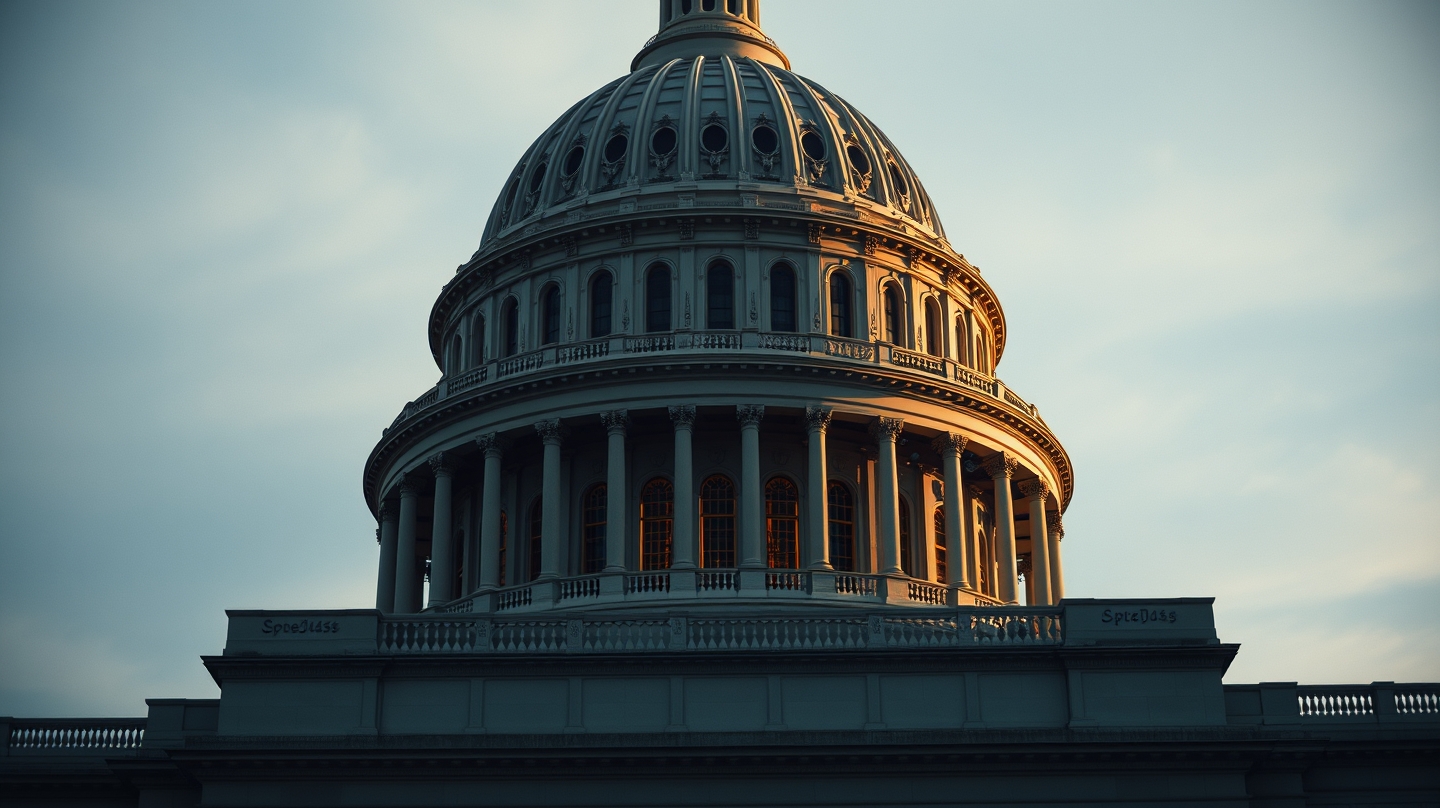
As the Senate prepares for a five‑week recess, the long‑awaited Crypto Clarity Act appears set for another postponement, a development that has already sent ripples through both the crypto market and traditional finance. The timing is striking: optimism from industry leaders such as Coinbase last week has given way to a legislative agenda crowded with unrelated bills, leaving the crypto‑specific proposal on the back burner.
Senator Elizabeth Warren, speaking to Punchbowl News, noted that “more people in the Senate are beginning to question crypto’s electoral invincibility.” Her comment reflects a growing bipartisan skepticism that the bill, in its current form, may not adequately address concerns about illicit finance. Republican Senator Cynthia Lummis, a vocal pro‑crypto advocate, countered that Democrats are deliberately stalling a framework that could bring clarity to the market.
The delay matters for several reasons. First, institutional investors have been waiting for a clear regulatory baseline before committing larger capital allocations to digital assets. Firms such as Fidelity and BlackRock have signaled interest in crypto‑linked products, but the absence of a definitive legal structure keeps compliance teams in a holding pattern. Second, the bill’s provisions on technology‑driven automation and workflow transformation—intended to streamline anti‑money‑laundering checks—could set industry standards for how blockchain transactions are monitored.
Market reaction has already been tangible. Coinbase’s stock, which rallied on the prospect of regulatory certainty, slipped modestly after the news of the impending recess‑induced delay. Futures tied to major cryptocurrencies showed a slight dip, reflecting investor caution. More broadly, the postponement may influence the pace at which traditional banks integrate crypto services, potentially slowing the rollout of custodial solutions that rely on the bill’s compliance automation.
Beyond Wall Street, the impact reaches into popular culture. The NBA, which has embraced blockchain through partnerships with platforms like Dapper Labs, could see its sponsorship strategies recalibrated. Teams that have launched NFT collections or token‑based fan engagement programs rely on a stable regulatory environment to protect both the league’s brand and its fan base. A delayed Clarity Act means that these initiatives remain subject to state‑by‑state interpretations, increasing legal complexity for league officials and franchise owners.
From a structural perspective, the bill’s emphasis on automated compliance workflows represents a broader shift toward integrating advanced technology into financial oversight. By mandating standardized digital reporting, the legislation could reduce manual review times and lower operational costs for both regulators and firms. However, critics argue that the automation framework is insufficiently detailed, leaving room for loopholes that criminal networks might exploit.
The broader implication is a potential slowdown in the convergence of traditional finance and decentralized finance (DeFi). Without a clear federal guideline, banks may hesitate to partner with crypto startups, and fintech innovators could defer launching products that depend on cross‑border transaction monitoring. This hesitation could, in turn, affect the velocity of capital flowing into blockchain infrastructure, a sector already experiencing rapid growth.
In the short term, investors should monitor the Senate’s calendar and any statements from key committee chairs, as a post‑recess vote could still materialize. Institutions that have built provisional compliance frameworks may find themselves ahead of the curve, while those waiting for the final text could miss early‑mover advantages.
Ultimately, the delay underscores the tension between rapid technological adoption and the slower pace of legislative action. As the crypto ecosystem continues to mature, the need for a balanced, technology‑aware regulatory approach becomes ever more pressing.




















