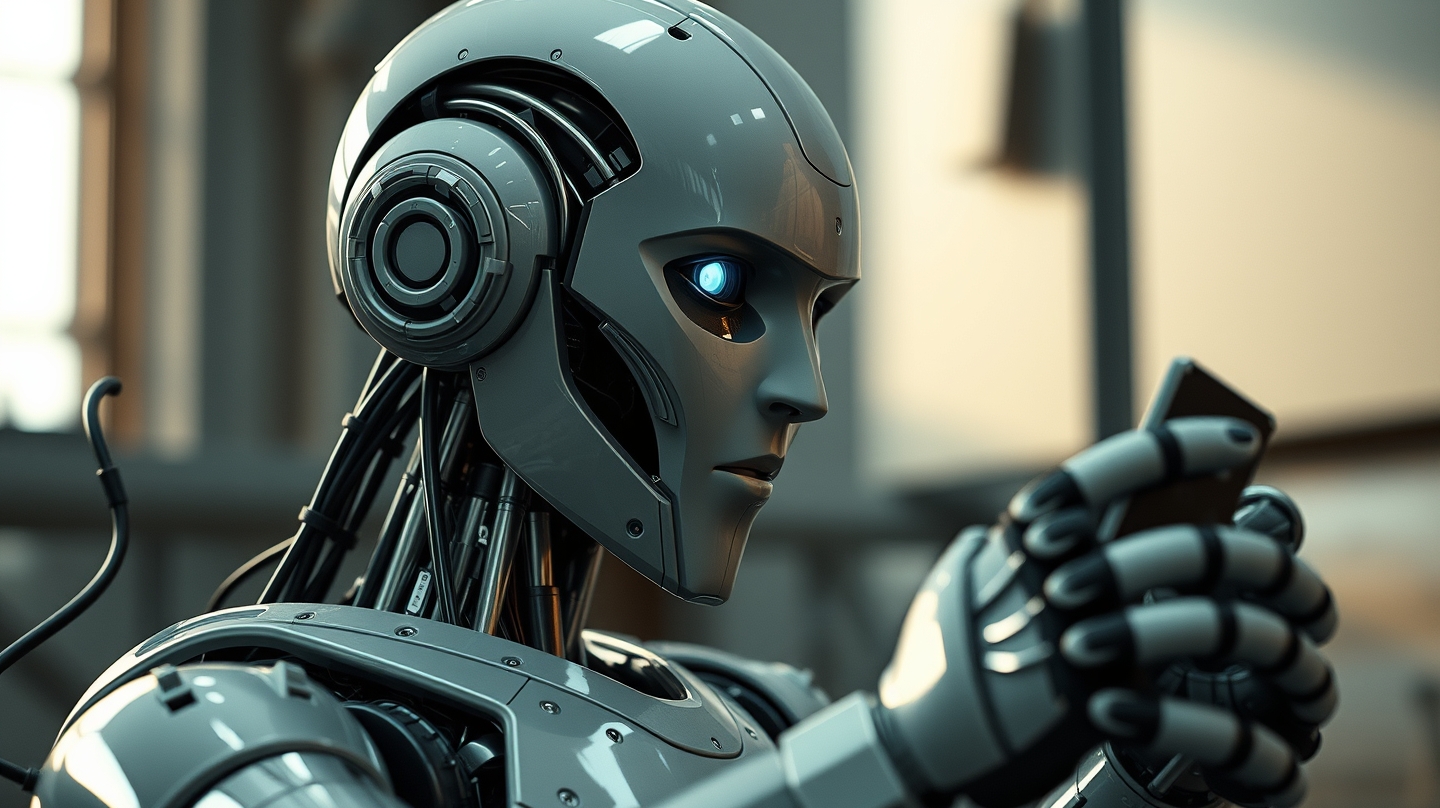
Recent advancements in robotics have led to the development of humanoid loco-manipulation, enabling robots to perform complex motions and tasks. One such example is the MotionDisco framework, which discovers contact-rich, long-horizon humanoid loco-manipulation motions from scratch, without relying on teleoperation or motion retargeting from human demonstrations.
Another significant development is the introduction of home robots, designed to assist people with everyday tasks and become long-term companions in daily life. The Toyota Human Support Robot (HSR) is a prime example, which has been deployed in real homes to assist residents with tasks such as tidying rooms and fetching objects.
The MIDAS Hand, a fully open-source, tactile-sensor-integrated dexterous robotic hand platform, is also a notable innovation in the field of robotics. It enables manipulation, teleoperation, and robot learning research, and has the potential to revolutionize the way we interact with robots.
Furthermore, the use of AI and machine learning in robotics is becoming increasingly prevalent. The AI Sapiens system, for instance, learns and performs humanoid motions from video-based motion capture using only a smartphone camera, without professional motion-capture equipment.
These advancements in robotics have significant implications for various industries, including healthcare, manufacturing, and education. As robots become more sophisticated and integrated into our daily lives, we can expect to see significant transformations in the way we work and live.
The potential applications of humanoid robotics and home automation are vast and varied. From assisting people with disabilities to providing companionship for the elderly, these technologies have the potential to improve the lives of millions of people around the world.
However, as with any emerging technology, there are also challenges and concerns that need to be addressed. Ensuring the safety and security of these systems, as well as addressing issues related to job displacement and social isolation, will be crucial in the years to come.




















