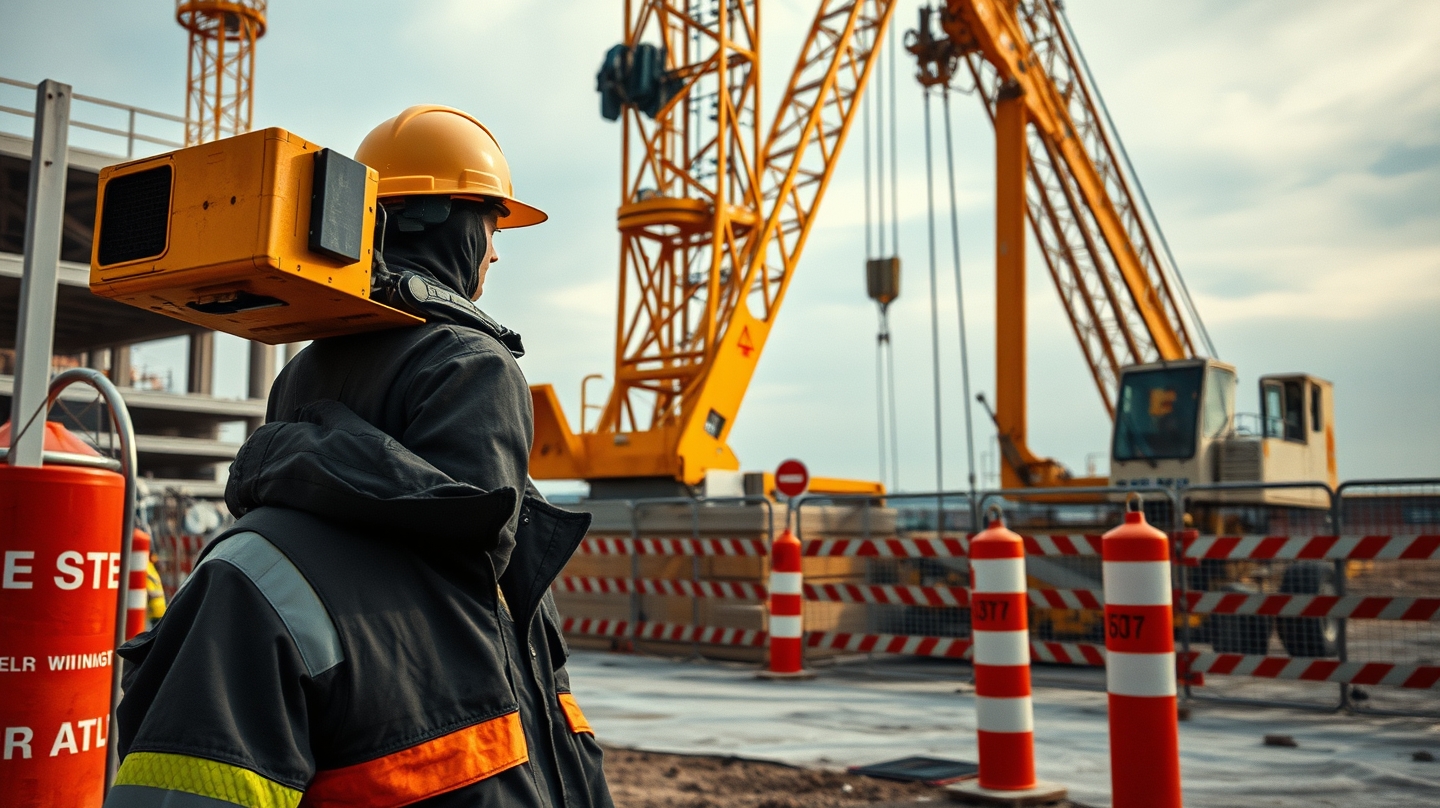
The construction industry has long accepted a certain level of risk as part of the job, but with the latest statistics showing 850 work zone fatalities in the US in 2024, it's clear that a new approach is needed. According to Brian Kleiner, director of Virginia Tech's Myers-Lawson School of Construction, the industry must shift its focus from personal protective equipment to removing hazards entirely.
While improvements to regulations, training, and technology have helped reduce the number of fatalities, workers continue to die on the job. To achieve fatality-free construction, researchers, engineers, and designers must prioritize the elimination of hazards, rather than just mitigating their effects. This includes identifying tasks, conditions, and systems that are too dangerous for humans to perform and redesigning or automating them to eliminate risk.
Automation is key to this new approach. By examining the full system of decisions, pressures, designs, schedules, contracts, technologies, leadership practices, and cultures that shape risk, the industry can identify areas where automation can eliminate hazards. This may involve redesigning tasks to reduce human exposure, implementing automated systems to monitor and respond to potential hazards, or developing new technologies to improve safety.
The benefits of automation in construction safety are clear. Not only can it reduce the risk of fatalities, but it can also improve efficiency, reduce costs, and enhance overall quality. However, the industry must be willing to invest in the research and development necessary to make automation a reality. This includes partnering with academia and industry leaders to advance controls that physically separate workers from hazards, such as improved barriers and redesigned guards on equipment.
As the construction industry continues to evolve, it's clear that automation will play a critical role in improving safety. By prioritizing the elimination of hazards and investing in automation, the industry can create a safer, more efficient, and more productive work environment. The time for change is now, and it's up to industry leaders to take the first step towards a fatality-free future.
The use of automation in construction is not a new concept, but its application in safety is still in its infancy. As the industry moves forward, it's essential to consider the potential risks and challenges associated with automation, such as job displacement and cybersecurity threats. However, with careful planning, implementation, and monitoring, the benefits of automation can far outweigh the risks.
In conclusion, the construction industry has a responsibility to respond to the recent tragedies with urgency and to prioritize the safety of its workers. By shifting the focus from hazard prevention to hazard elimination and investing in automation, the industry can create a safer, more efficient, and more productive work environment. The future of construction safety depends on it.




















