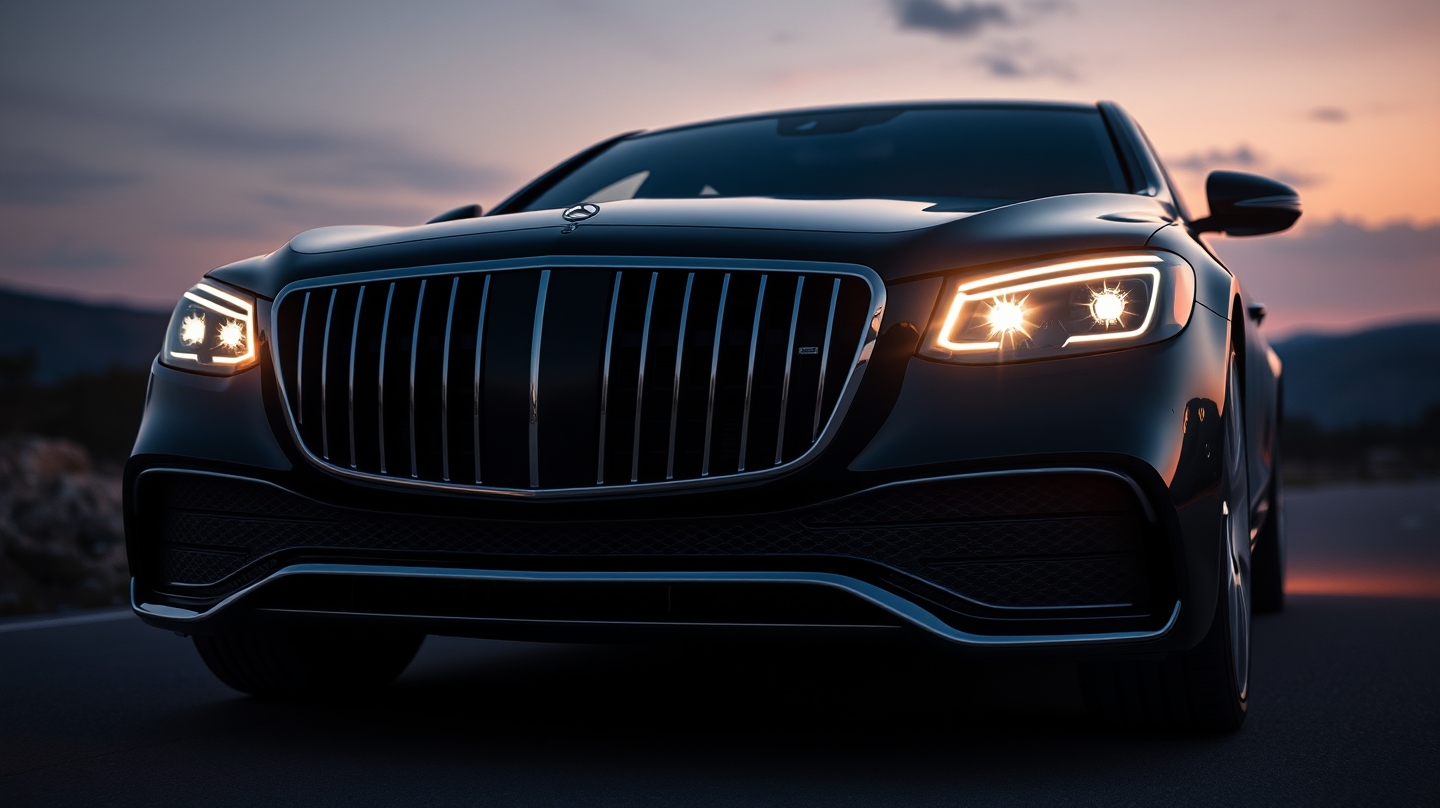
When Mercedes‑Maybach unveiled the 2027 S580, the headline was clear: the ultra‑luxury sedan received a mid‑cycle refresh that leans heavily on automation and digital integration. The change is not merely cosmetic; it reshapes how power, comfort, and data converge in a vehicle that sits atop the broader S‑Class platform.
Under the hood, the European market receives a 4.0‑liter twin‑turbo V‑8 with a flat‑plane crankshaft, delivering 530 hp and 553 lb‑ft of torque. A 48‑volt starter‑generator adds up to 23 hp and 151 lb‑ft of assist, a modest boost that illustrates the industry’s shift toward mild‑hybrid systems for smoother power delivery and improved efficiency. In the United States, the S680 continues to offer a twin‑turbo V‑12 with 621 hp and 664 lb‑ft, but the real surprise lies in the claimed 0‑60 mph times: the V‑8‑powered S580 reaches the sprint in 3.9 seconds, edging out the V‑12’s 4.3 seconds, a testament to the torque‑rich hybrid assistance.
Beyond the drivetrain, the most visible transformation is the “Superscreen” cockpit. Mercedes‑Maybach replaces the traditional instrument cluster with a single glass panel that houses a 14.4‑inch central touchscreen and a 12.3‑inch passenger display. The digital gauge cluster remains semi‑floating, preserving a driver‑focused layout while delivering high‑resolution data. This consolidation reduces wiring complexity, a subtle form of automation that streamlines manufacturing and future‑proofs the vehicle for over‑the‑air updates.
Exterior cues reinforce the brand’s distinct identity within the Mercedes family. Three‑pointed‑star motifs illuminate the new headlights, rose‑gold accents highlight the grille—now 20 % larger—and a light‑up hood ornament offers a nocturnal signature. Two‑tone paint options and a Maybach badge on the C‑pillar provide visual differentiation without sacrificing the sleek S‑Class silhouette.
Inside, the cabin blends classic opulence with tech‑driven personalization. Rear passengers benefit from 13.1‑inch displays, dedicated champagne‑flute cupholders, and individual climate‑control remotes, turning the back seat into a mobile lounge. The materials remain top‑tier, but the integration of digital controls reflects a broader trend: luxury buyers now expect the same level of automation in their vehicles as they experience in their smart homes.
Why does this matter for the industry? First, the adoption of mild‑hybrid architecture signals that even the most premium marques are embracing efficiency‑focused technology to meet stricter emissions standards without compromising performance. Second, the Superscreen illustrates how automotive manufacturers are consolidating infotainment, instrument clusters, and rear‑seat entertainment into a unified software platform—an approach that mirrors automation‑driven media infrastructure in publishing and broadcasting. As content providers increasingly rely on real‑time data streams, the vehicle’s ability to push OTA updates and integrate with external media ecosystems becomes a new revenue and engagement channel.
The ripple effect reaches beyond the showroom. Media outlets covering the S580 can now tap into vehicle telemetry APIs, automating the creation of performance dashboards and personalized reviews. This workflow transformation reduces manual data entry, accelerates publishing cycles, and aligns automotive journalism with the broader shift toward data‑centric storytelling.
From a market perspective, Maybach’s strategy of remaining tightly coupled to Mercedes‑Benz, rather than operating as a standalone marque like Bentley or Rolls‑Royce, allows rapid diffusion of platform‑wide innovations. The S580’s hybrid system, digital cockpit, and automated manufacturing processes are inherited from the S‑Class, giving Maybach a competitive edge while preserving its ultra‑luxury cachet.
Ultimately, the 2027 Maybach S580 is less about adding another badge and more about demonstrating how automation and technology adoption can coexist with traditional luxury. Buyers receive a vehicle that feels instantaneous, visually striking, and digitally ready for the next decade of connected experiences.




















