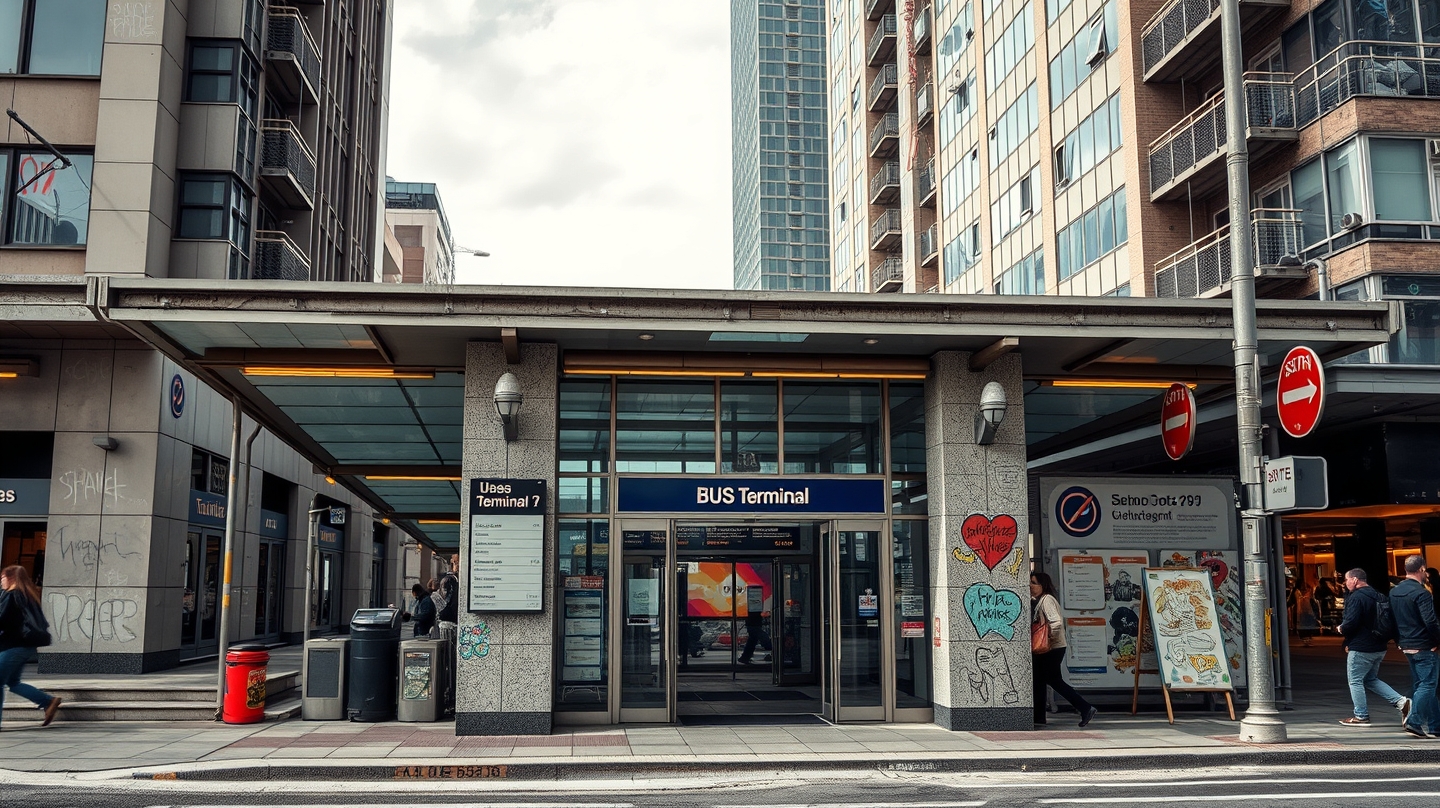
The Chicago City Council's recent decision to buy and renovate a former Greyhound bus terminal for $19.2 million marks a significant investment in the city's transportation infrastructure. This move not only saves the historic terminal from possible sale or demolition but also underscores the growing importance of intercity bus travel. With the rise of technology-driven automation and workflow transformation, the transportation sector is witnessing a paradigm shift, and Chicago's initiative is a step towards embracing this change.
Advocates, including the Environmental Law and Policy Center and Better Streets Chicago, played a crucial role in urging the city to take over the bus facility. They presented a compelling case for modernization, highlighting the potential for reasonable cost upgrades. The proposed upgrades, which include a new glass entrance, enhanced signage, and street art, were instrumental in swaying the aldermen's vote. According to Joseph Schwieterman, Director of the Chaddick Institute for Metropolitan Development at DePaul University, these upgrades were a decisive factor in the council's decision.
Chicago joins a list of major cities, including Atlanta, Boston, Detroit, New York City, and Los Angeles, in renovating or constructing new downtown bus terminals. This trend reflects the increasing demand for intercity bus travel, with over 350 million passenger trips recorded in 2025. The American Bus Association's president and CEO, Fred Ferguson, emphasizes the critical role of reliable and affordable terminal access in ensuring safety, accessibility, and a positive passenger experience.
The acquisition of Greyhound by FlixMobility in 2021 and its subsequent rebranding as Flix in 2022 have led to significant upgrades in the company's fleet. With 185 new buses added over the past two years and 80 more on order, Flix is poised to continue providing affordable intercity bus services. The company's CEO, Kai Boysan, welcomes the Chicago City Council's decision, highlighting its importance for the thousands of travelers who rely on these services daily.
The terminal, which handles approximately 90 arrivals and departures on busy days and serves over 450,000 riders annually, will continue to be managed by Greyhound for a year following the transfer of ownership. The city will then seek an alternative operator. The proximity of the Chicago Transit Authority's Blue Line Clinton station and Chicago Union Station, which serves Amtrak and the Metra commuter railroad, makes the terminal a strategic location for intercity travel.
The planned improvements, unveiled by the Chaddick Institute, Better Streets Chicago, and urban planner Nathale Nicoletti, include the addition of a bike lane and a pickup/drop-off lane for ride-hailing vehicles and taxis. These enhancements will not only modernize the terminal but also contribute to a more sustainable and accessible transportation network.




















