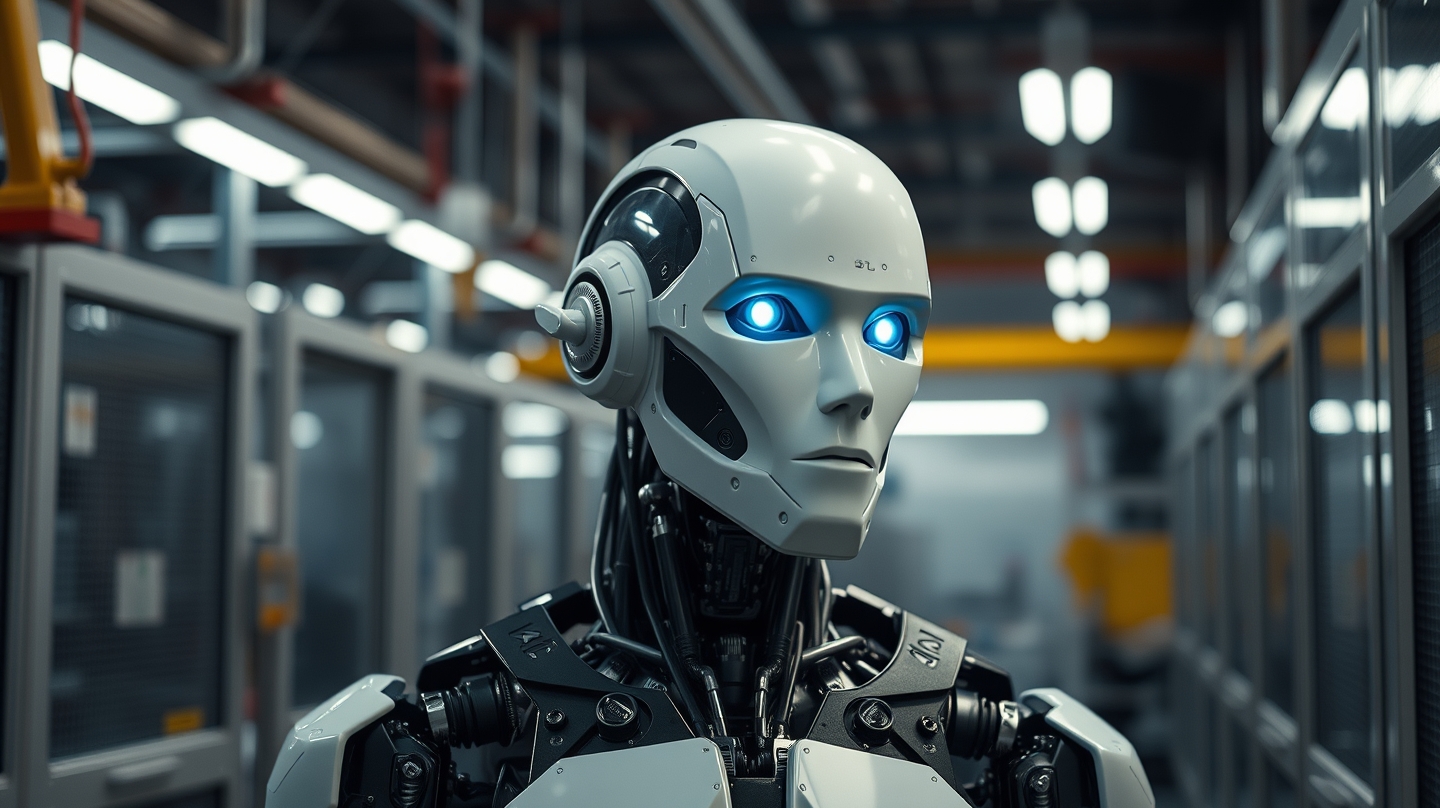
The development of humanoid robots has been a longstanding challenge in the field of robotics, with the potential to revolutionize manufacturing and transform the way we work. At the recent Robotics Summit & Expo, a panel of industry experts gathered to discuss the state of humanoid robot design and the future of automation in manufacturing.
According to Alberto Rodriguez, director of robot behavior for Atlas at Boston Dynamics, the key to successful humanoid robot development lies in creating a general-purpose machine that can adapt to a wide range of tasks and environments. This approach has led Boston Dynamics to focus on logistics in manufacturing, where the company has seen significant potential for growth and adoption.
The Atlas program, Boston Dynamics' flagship humanoid robot project, has been designed to function as a versatile and agile machine capable of performing a variety of tasks, from handling parts to navigating complex factory environments. With its advanced data-driven architecture and learning pipeline, Atlas is poised to transform the manufacturing landscape and enable a new era of automation and efficiency.
The implications of humanoid robot technology extend far beyond the factory floor, with potential applications in fields such as healthcare, transportation, and construction. As the industry continues to evolve and mature, we can expect to see significant advancements in areas such as artificial intelligence, machine learning, and robotics, driving innovation and growth across multiple sectors.
With Boston Dynamics committing to deploy 25,000 humanoids in factories and ramping up production capacity to 30,000 Atlas robots per year by 2028, the future of manufacturing is looking increasingly automated. As humanoid robots become more prevalent in industry, we can expect to see significant changes in the way we work and interact with technology, driving a new era of productivity and innovation.




















