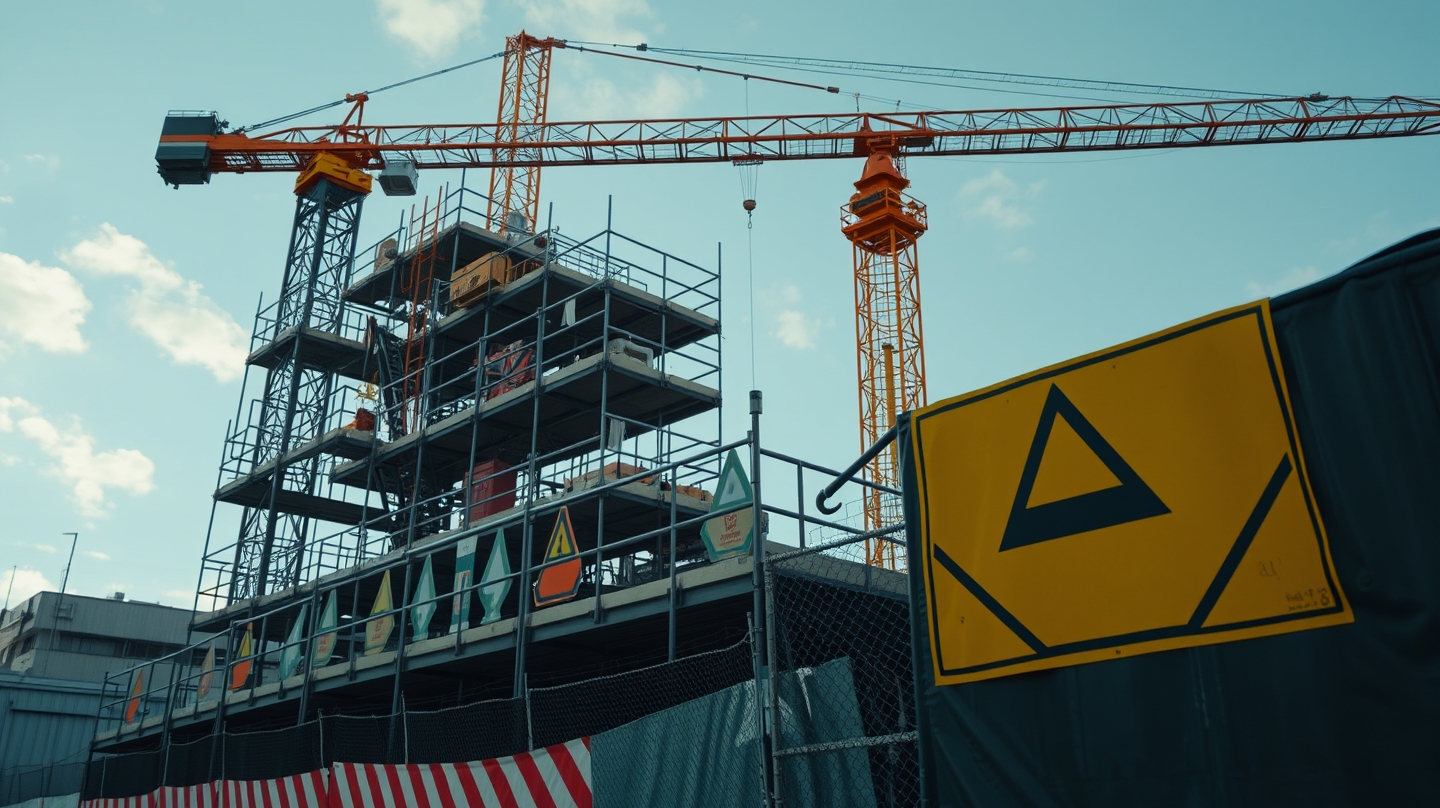
When the Department of Buildings ordered work to pause at 750 Third Avenue on July 28, followed by a second halt at 222 Broadway two days later, the move seemed abrupt—but it was the latest ripple from a July 7 structural failure at a former Pfizer office conversion. The rapid cascade of stop‑work orders is unusual in scale, prompting industry veterans to ask whether New York City’s enforcement response is a one‑off reaction or a sign of a deeper shift toward technology‑enabled oversight.
City officials say the heightened scrutiny is rooted in the city’s density and the high value of its real‑estate stock. “When DOB sees a structural issue, they will look at similarly situated projects to ensure those are proceeding safely,” explained Carol Sigmond, partner at Nossaman. The result: dozens of projects now face intensified inspections, documentation checks, and, in some cases, outright pauses until compliance can be proven.
Why does this matter? New York houses more than 1 million residential units, many of which are being created by converting aging office towers. A single unchecked flaw can jeopardize hundreds of future occupants and trigger costly legal battles. Moreover, the public’s confidence in the safety of high‑rise living hinges on transparent enforcement.
The immediate impact is clear: contractors must halt work, revisit field modifications, and submit detailed reports to the DOB. For developers, the financial hit includes delayed revenue, higher insurance premiums, and potential penalties. For workers, the stoppages translate into lost wages and uncertainty. And for the city, the ripple effect could slow the overall pace of housing supply at a time when affordability is already strained.
Beyond the short‑term disruption, the episode underscores a longer‑term trend: the construction industry is increasingly turning to digital tools to meet tighter regulatory expectations. Building Information Modeling (BIM), drones, and AI‑driven defect detection are already being piloted on large projects. In a city where “it’s impossible to find a building without a violation,” as Structural Workshop’s Joe DiPompeo put it, technology could become the primary means of proving compliance before a single beam is erected.
Apple’s recent campus expansion in Cupertino offers a parallel. The tech giant relies on automated workflow platforms, sensor‑rich monitoring, and real‑time data dashboards to keep construction on schedule and within code. While Apple is not directly involved in the Manhattan projects, its adoption of integrated construction tech illustrates how large‑scale developers can mitigate risk through automation. If New York’s DOB begins to require digital verification of structural calculations, firms that have already embedded such tools will gain a competitive edge.
Legal experts also note that the current wave of stoppages may prompt code revisions. “If they are seeing issues in conversions, they may consider making code changes in the interests of public safety,” said Sigmond. Potential updates could mandate third‑party digital inspections for structural steel, enforce stricter documentation of field changes, or require automated compliance reporting through city‑approved platforms.
From a market perspective, the heightened enforcement could accelerate investment in construction‑tech startups focused on compliance automation. Venture capital has already poured billions into firms offering AI‑based safety analytics, and New York’s regulatory climate may become a proving ground. For the broader industry, the episode signals that traditional reliance on paper permits and periodic site visits is no longer sufficient in a hyper‑dense urban environment.
In practical terms, the next wave of office‑to‑residential conversions will likely feature real‑time monitoring of beam stresses, automated alerts when design deviations occur, and cloud‑based audit trails accessible to city inspectors. Such infrastructure not only shortens the time between discovery and remediation but also builds a transparent record that can withstand public scrutiny.
Ultimately, the Manhattan work stoppages serve as a cautionary tale: as cities push older office towers into the housing market, the margin for error shrinks. The convergence of regulatory pressure and emerging technology may redefine how compliance is demonstrated, shifting the industry from reactive inspections to proactive, data‑driven safety management.




















