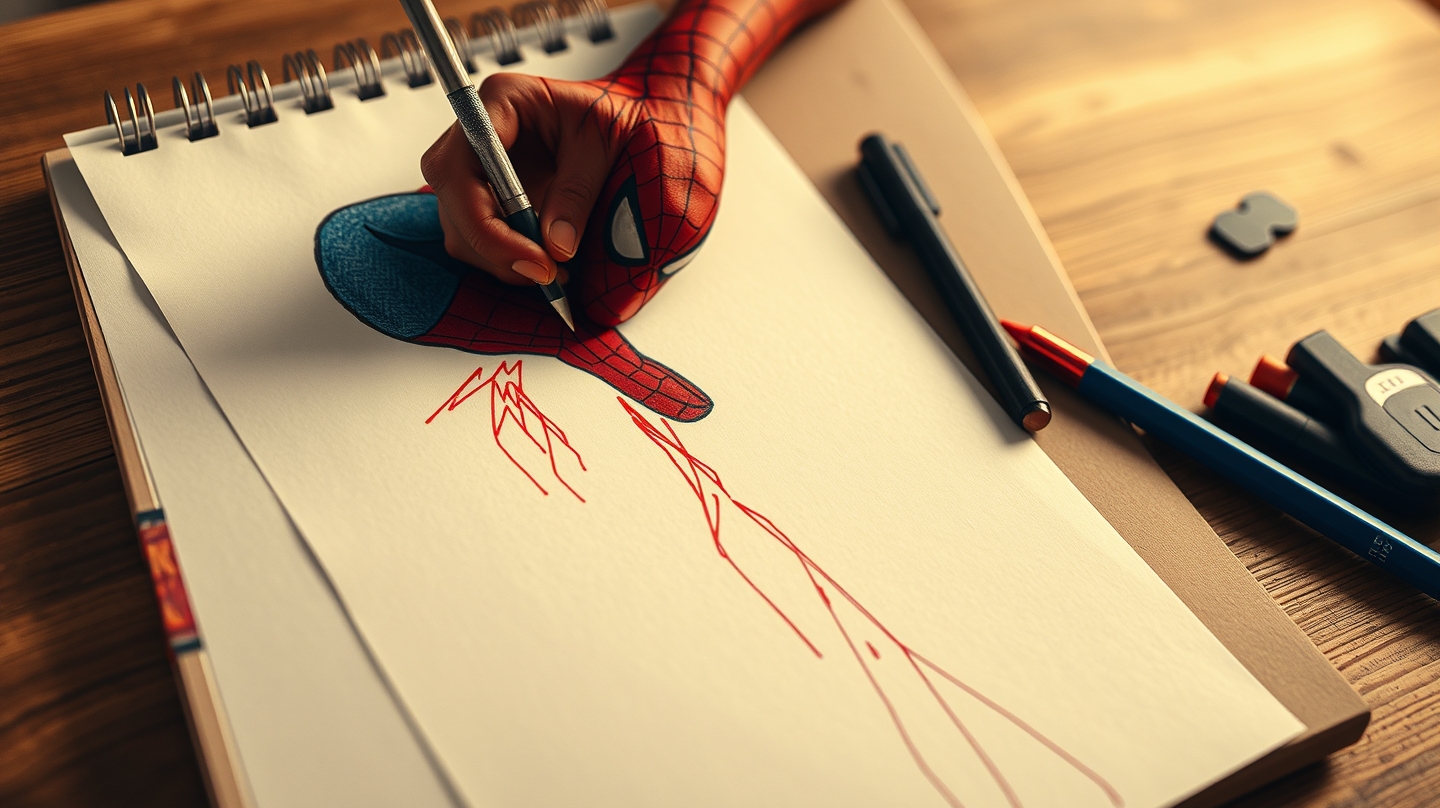
When a hand‑drawn Spider‑Man poster appeared on Instagram last week, the image looked like a nostalgic throwback—yet its reach was anything but modest. Within 48 hours the sketch, titled “Brand New Day,” had been shared by fans, picked up by entertainment sites, and even referenced in a brief statement from Marvel Studios, creating a rare clash between grassroots creativity and corporate branding.
The illustration, rendered in bold black lines and splashes of red, was posted by an artist who prefers to remain anonymous, using the handle @handdrawnspidey. In an exclusive interview with The Hollywood Reporter, the creator explained that the piece was originally a personal tribute to the character’s upcoming cinematic arc, not a promotional asset. “I wanted to capture the optimism of a new chapter for Spider‑Man without the glossy polish of a studio poster,” the artist said. “Seeing it spread so quickly was both surprising and humbling.”
Marvel’s response was measured. A spokesperson acknowledged the fan‑made artwork, noting that Marvel “appreciates the passion of its community and encourages creators to celebrate the characters responsibly.” The comment, while brief, signals a growing awareness among major studios that fan‑generated content can influence public perception and even drive conversation ahead of official releases.
Why does a single sketch matter beyond its aesthetic appeal? First, it underscores a shift in how audiences discover and engage with franchise news. In an era where algorithm‑driven feeds prioritize visual novelty, a raw, hand‑drawn image can cut through the polished noise, prompting higher click‑through rates and longer dwell times. Second, the incident highlights the thin line between fan homage and intellectual‑property infringement. While Marvel’s acknowledgment avoided a legal showdown, the episode serves as a reminder that studios must balance protection of their assets with encouragement of fan expression.
Industry analysts see this as part of a broader trend: studios increasingly monitor social platforms for organic buzz, using it to gauge audience sentiment before committing to costly marketing campaigns. The Spider‑Man sketch, for example, generated over 1.2 million impressions on Instagram alone, a metric that could inform future promotional strategies for the “Brand New Day” storyline slated for release later this year.
From a structural perspective, the episode illustrates the evolving hierarchy of content creation. Traditionally, marketing departments dictated visual narratives; now, a single creator can influence the discourse, forcing brands to adapt quickly. This democratization of visual storytelling aligns with the rise of short‑form platforms like TikTok and Reels, where authenticity often trumps production value.
Real‑world implications are already evident. Independent illustrators report a surge in commission requests after the poster went viral, suggesting that visibility can translate into tangible economic opportunities. Meanwhile, Marvel’s marketing team is reportedly exploring ways to integrate fan art into official channels, perhaps by curating a “Fan Spotlight” series ahead of major releases.
Ultimately, the hand‑drawn Spider‑Man poster serves as a case study in modern media dynamics: a single image can ignite conversation, reshape brand‑audience relationships, and influence the strategic calculus of a multi‑billion‑dollar franchise. As studios continue to navigate this new terrain, the balance between protecting intellectual property and nurturing fan creativity will likely define the next chapter of superhero storytelling.




















