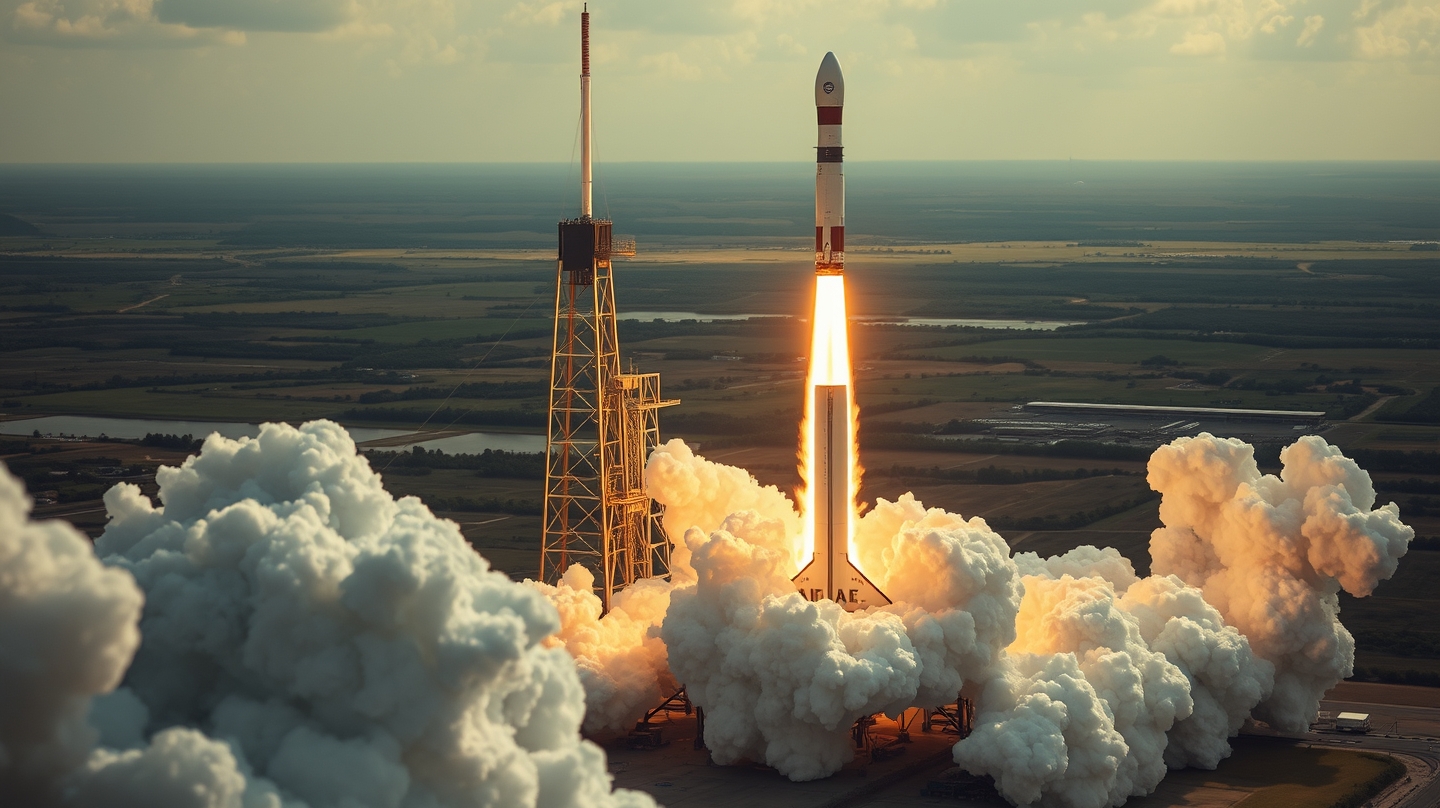
When SpaceX (NASDAQ: SPCX) floated on June 11, 2026, it did so with fanfare that eclipsed every recent tech debut. The $75 billion offering set a record, valuing the aerospace pioneer at roughly $1.77 trillion. Yet a month later, the market’s enthusiasm has already been tempered, leaving early investors with a mixed picture.
A $1,000 purchase at the IPO price of $135 per share would be worth about $1,076 today – a 7.6 % return based on the latest close of $145.30. The gain feels modest against the backdrop of the stock’s intraday surge to $225, but it underscores how quickly sentiment can swing when expectations are sky‑high.
Contrast that with a $1,000 investment made at the first‑day closing price of $161. That stake now sits at roughly $902, reflecting a 10 % loss. The divergence illustrates a classic post‑IPO pattern: an opening rally driven by hype, followed by a correction as investors recalibrate expectations.
Why does this matter? SpaceX’s public debut is more than a financial event; it signals a turning point for the commercial space sector and the broader tech‑driven automation landscape. The company’s revenue streams—Falcon launch services, the rapidly expanding Starlink satellite internet network, and the ambitious Starship program—are all tied to automation, reusable hardware, and AI‑enabled operations. Success or setbacks in these areas will ripple through industries that depend on low‑cost, high‑frequency launch capacity, from telecommunications to Earth‑observation data services.
From a market‑structure perspective, the early price drift mirrors the trajectory of previous mega‑IPOs such as Amazon and Tesla, where initial euphoria gave way to a more measured valuation as earnings histories emerged. Analysts note that SpaceX’s current market cap hovers just above $2 trillion, a figure that presumes sustained growth in both launch volume and Starlink subscriptions. The upcoming earnings release later this year will be the first hard test of whether the company can translate its technological lead into the cash flow needed to justify that multiple.
Investors should also watch the broader macro environment. The space sector is increasingly intertwined with national policy—U.S. defense contracts, regulatory approvals for mega‑constellations, and international competition from entities like Blue Origin and China’s state‑backed launch firms. Any shift in government funding or spectrum allocation could materially affect SpaceX’s growth trajectory.
Real‑world implications are already surfacing. Retail investors, many of whom entered the IPO through brokerage platforms that lowered commission barriers, are now confronting the reality of high‑valuation exposure. Financial advisers are warning that diversification remains essential, especially when a single stock’s price can swing 30 % in a matter of weeks.
Meanwhile, the automation narrative extends beyond rockets. Starlink’s low‑latency broadband is being piloted for remote industrial automation, enabling factories in isolated regions to integrate with global supply chains. If Starlink can achieve profitability, it could accelerate the adoption of IoT and AI workloads that rely on ubiquitous connectivity, reshaping how manufacturers design workflows.
In sum, the modest gains for early SpaceX investors mask a larger story about how a single company’s technological roadmap can influence multiple sectors. As the stock settles, the focus will shift from headline‑grabbing launch windows to the fundamentals of revenue generation, cost control, and the ability to meet the lofty expectations set by a $75 billion IPO.




















